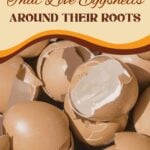
Most people toss eggshells into the trash without thinking twice, but gardeners have been saving them for years for a reason. Eggshells are packed mostly with calcium carbonate, along with small amounts of magnesium, phosphorus, and other trace minerals that plants use for healthy growth.
What makes eggshells especially useful is that they break down slowly in the soil, feeding plants over time rather than all at once. They can also help improve soil texture, reduce compaction, and even discourage certain pests, such as slugs and snails, when crushed around plants.
Some plants barely notice eggshells, but others absolutely thrive with the added calcium around their roots. Here are some of the garden plants that appreciate them the most.

Roses (Rosa species)
Roses are famously heavy feeders, and calcium helps support strong stems, healthier foliage, and larger blooms. Eggshells also add organic material that improves soil quality around the roots.
Some gardeners even sprinkle crushed shells around rose bushes to discourage slugs and snails from crawling nearby.
Snake Plants (Dracaena trifasciata)
Snake plants appreciate occasional calcium boosts, especially when grown indoors for long periods in the same potting soil. Eggshell water or finely powdered shells can help support firmer leaves and a stronger structure.
Just use small amounts since indoor plants generally need less supplementation than garden vegetables.
Tomatoes (Solanum lycopersicum)
Tomatoes are probably the most famous calcium-loving garden plant. When tomatoes don’t get enough calcium, they often develop blossom-end rot, those dark, sunken spots that form on the bottom of the fruit before it ripens.
Mixing crushed eggshells into the planting hole or sprinkling powdered shells around the base of plants can help provide a steady calcium source throughout the season. Tomatoes also tend to grow stronger stems and healthier fruit when the soil stays balanced.
Peppers (Capsicum annuum)
Bell peppers, jalapeños, and chili peppers all benefit from calcium-rich soil. Like tomatoes, peppers can develop blossom-end rot when calcium levels are inconsistent.
Eggshells help support sturdier stems, healthier leaves, and more reliable fruit production. They pair especially well with compost because the organic matter helps the shells break down more effectively.
Eggplants (Solanum melongena)
Eggplants are another member of the nightshade family that appreciates extra calcium. Plants with healthy calcium levels often produce firmer fruit with smoother skins and stronger growth overall.
Crushed eggshells can also help slightly reduce soil acidity over time, which eggplants generally appreciate in moderation.
Strawberries (Fragaria × ananassa)
Strawberries love nutrient-rich soil, but they can be a little sensitive when it comes to pH balance. A small amount of eggshell around established plants can help support fruit production without dramatically changing the soil.
Calcium helps strengthen the plant and support larger, healthier berries. Just avoid overdoing it, especially in already alkaline soil.
Broccoli (Brassica oleracea var. italica)
Broccoli is a heavy feeder that pulls a surprising amount of nutrients from the soil as it develops its dense heads. Calcium helps support healthy leaf growth and strong stem formation.
If broccoli starts looking stunted or develops browning around the head, nutrient imbalances, including calcium deficiency, may be part of the issue.
Cauliflower (Brassica oleracea var. botrytis)
Cauliflower benefits from consistent nutrients while developing its large central head. Calcium helps support steady growth and stronger cell development throughout the plant.
Adding finely crushed eggshells before planting gives the soil a slow-release calcium boost that lasts throughout the season.
Cabbage (Brassica oleracea var. capitata)
Cabbage grows best in rich soil with ample nutrients over time. Eggshells help strengthen leaf structure, support firm heads, and improve soil texture around the roots.
Because cabbage is a long-growing crop, slow-release calcium sources like eggshells work especially well.
Kale (Brassica oleracea var. sabellica)
Kale grows quickly and benefits from steady nutrient availability. Calcium helps support strong leaves, healthier growth, and improved resistance to stress.
Eggshell powder mixed into the soil before planting can help kale stay lush and productive throughout the growing season.
Spinach (Spinacia oleracea)
Spinach is another leafy green that appreciates calcium-rich soil. Healthy calcium levels help support rapid leaf development and deeper green foliage.
Because spinach grows quickly, combining eggshells with compost usually works better than using shells alone.
Swiss Chard (Beta vulgaris subsp. vulgaris)
Swiss chard benefits from mineral-rich soil that supports strong stems and large leaves. Eggshells gradually add calcium while helping improve soil structure around the roots.
Plants grown in containers especially benefit because nutrients wash out of the potting soil faster over time.
Lettuce (Lactuca sativa)
Lettuce has shallow roots and grows best in loose, healthy soil. Crushed eggshells help improve drainage while adding trace minerals that support healthy leaf growth.
They’re especially useful in raised beds and containers where soil nutrients can become depleted more quickly.
Zucchini (Cucurbita pepo)
Zucchini plants are heavy feeders that appreciate extra nutrients during flowering and fruit production. Calcium helps support healthy fruit development while reducing issues like blossom-end rot and deformities.
Working crushed shells into the soil early in the season gives plants time to benefit from their slow decomposition.
Squash (Cucurbita species)
Many squash varieties benefit from calcium-rich soil, especially during periods of rapid growth. Eggshells help support stronger vines and healthier fruit production.
Because squash roots spread widely, mixing shells throughout the planting area works better than concentrating them in one spot.
Carrots (Daucus carota)
Carrots prefer loose, balanced soil that allows roots to develop properly. Finely crushed eggshells can improve soil texture while adding minerals that support healthier root growth. They may also help reduce compaction in heavier garden soil.
Beets (Beta vulgaris)
Beets appreciate balanced nutrients and loose soil conditions while developing their roots. Calcium helps support healthy growth above and below the soil line.
Adding eggshell powder to the soil before planting can help improve overall root quality.
Radishes (Raphanus sativus)
Radishes grow quickly and perform best in fertile soil with consistent access to nutrients. Eggshells help improve soil texture while supplying trace minerals that support healthy root formation.
They’re especially useful in compacted garden beds where drainage needs improvement.
Related: 13 Gardening Tips Everyone Swears By (That Don’t Always Work)
Basil (Ocimum basilicum)
Basil benefits from calcium because it supports strong stems and healthy leaf growth. Many gardeners also notice fuller plants and better leaf production when the soil stays balanced.
Eggshells work especially well in herb containers, where nutrients are depleted more quickly with frequent watering.
Parsley (Petroselinum crispum)
Parsley grows slowly compared to many herbs, so steady nutrients make a big difference. Eggshells provide a gradual source of calcium while helping to improve soil structure over time.
Healthy parsley plants tend to produce darker green leaves and stronger growth overall.