The 1980s had plenty of memorable dinner habits, from convenience foods to everyday cooking ingredients. Some of those foods have faded from grocery shelves and restaurant menus as food safety rules changed and people learned more about the risks associated with certain ingredients.
That doesn’t mean every item on this list was banned outright, or that everyone in the 1980s was eating something dangerous. Rules have always varied by country and region, and some of these foods are still available in certain places. Still, looking back at what was considered normal dinner fare can be surprising.
Foods Made With Artificial Trans Fats
Margarine, packaged baked goods, frozen foods, and restaurant dishes made with partially hydrogenated oils were common sights in the 1980s. At the time, these fats were widely used because they helped extend the shelf life of foods and impart a particular texture.
Research later connected artificial trans fats with an increased risk of heart disease. That led to major changes in food labeling, manufacturing, and regulations in the years that followed. In the United States, partially hydrogenated oils were eventually removed from the list of ingredients considered safe for their traditional uses.
So while a tub of margarine or a packaged dessert from the 1980s might look familiar, the ingredients used in many of those products are very different today.
Related: 30 Low-Cost Dinner Ideas for Nights When Money Feels Tight
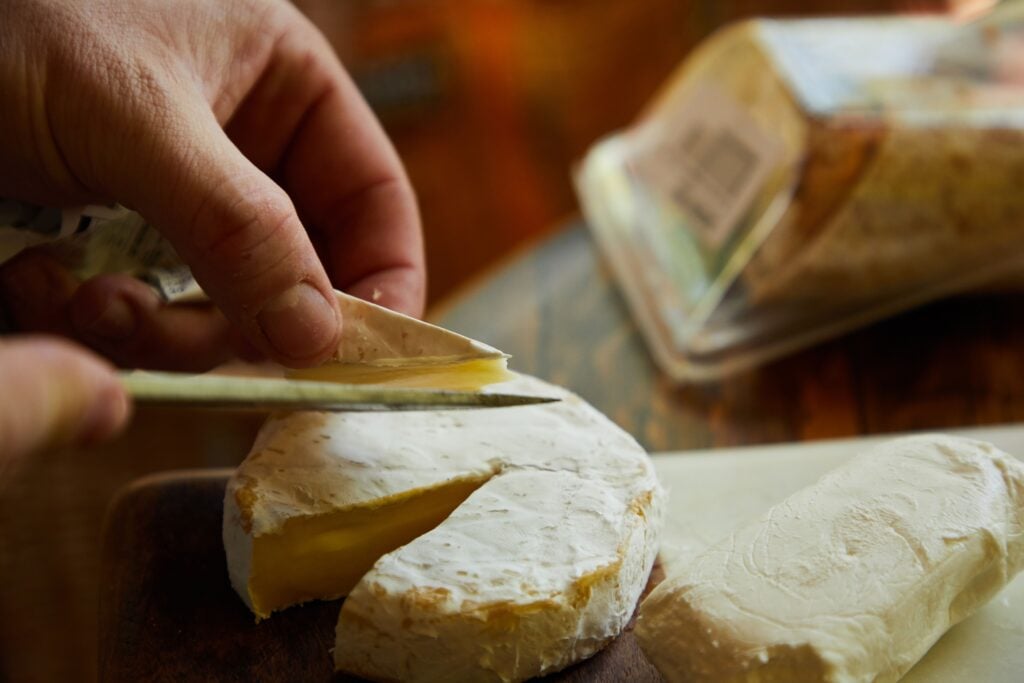
Raw Milk and Unpasteurized Cheese
Raw milk was available in some places and was also used to make unpasteurized cheeses. People who prefer these products often value their traditional production methods, but raw dairy can harbor bacteria such as Salmonella, E. coli, and Listeria.
That’s why pasteurization became such an important part of modern dairy safety. Regulations on selling raw milk and unpasteurized dairy products vary by location, and some products are still legally available in certain areas.
The difference is that today’s shoppers are more likely to encounter clear labeling and specific rules about how these foods can be sold.
Related: 10 Dinner Party Guests Hosts Wish They Had Never Invited
Burgers Made With Mechanically Recovered Meat
Mechanically recovered meat was used in some processed meat products because it allowed manufacturers to recover additional meat from bones after the larger cuts had been removed. The result could have a soft, paste-like texture and was used in certain inexpensive meat products.
The process became controversial because of concerns about contamination and, in some countries, diseases such as BSE, commonly known as mad cow disease. Regulations changed over time, with some forms of mechanically recovered meat restricted or prohibited for particular uses.
That doesn’t mean every inexpensive burger in the 1980s contained mechanically recovered meat. But meat-processing rules and labeling practices have changed considerably since then.
Related: 12 Ways to Spend Less at Restaurants Without Skipping Dinner Out
Whale Meat
Whale meat was still eaten in some parts of the world during the 1980s, although commercial whaling had already become a major environmental and political issue. In places where it was part of the local food culture, whale meat could still be found in markets or restaurants.
International agreements and national restrictions on commercial whaling later made whale meat much harder to obtain in many countries. The International Whaling Commission’s commercial whaling moratorium, which took effect in 1986, played a major role in reducing legal commercial whaling.
Whale meat hasn’t disappeared everywhere, but it is certainly far removed from the typical American dinner table.
Runny Omelets Made With Raw or Undercooked Eggs
Soft eggs were common on breakfast and dinner tables long before anyone thought twice about leaving the yolk runny. Omelets, scrambled eggs, fried eggs, and other egg dishes were often cooked according to personal preference rather than a strict temperature guideline.
The concern is Salmonella, which can be present in raw or undercooked eggs. Modern food safety advice places more attention on cooking eggs thoroughly, particularly for young children, older adults, pregnant people, and those with weakened immune systems.
That doesn’t mean a runny egg is automatically unsafe, but it does explain why today’s food-safety guidance is more cautious about undercooked eggs than it was in the 1980s.