The 1980s were a different time for product safety. Plenty of things that sat on store shelves back then would face much stricter regulations today, while some products disappeared altogether after researchers found problems with the chemicals, materials, or designs used.
Some of the changes resulted from new safety research. Others came after injuries, environmental concerns, or new laws forced manufacturers to change what they made and how they sold it.
Looking back, it’s surprising to see how ordinary some of these products once seemed. Here are nine examples of products that were widely available in the 1980s but are now banned, restricted, or subject to much tighter rules in the United States.
Children’s Toys Made With High Levels of Phthalates
Soft plastic toys were common in the 1980s, and some contained phthalates. These chemicals were used to make certain plastics softer and more flexible, making them useful for toys, teethers, and other products.
Research later raised concerns about exposure to certain phthalates, particularly for children. U.S. regulations now restrict several phthalates in children’s toys and child-care articles, so products made with levels that once would have been allowed may not meet today’s requirements.
That doesn’t mean every soft plastic toy from the 1980s was dangerous. The difference is that manufacturers now have much tighter limits on certain chemicals used in products intended for children.
Related: 15 Weird Walmart Products You Probably Never Knew Existed
Household Chemicals Without Child-Resistant Packaging
A cleaning product or medication with a simple screw-top container was much less unusual decades ago. Child-resistant packaging requirements became more widespread after lawmakers and health officials recognized how often young children were accidentally exposed to household poisons.
Today, many products containing potentially dangerous substances must use child-resistant packaging that meets specific testing standards. The rules don’t make the product itself illegal, but an older container that doesn’t meet current requirements wouldn’t necessarily be allowed on store shelves.
Those old bottles may look harmless sitting in a vintage kitchen or bathroom, but today’s packaging rules exist for a very practical reason.
Related: 12 Products Losing Popularity as Millennial Spending Habits Change
Asbestos-Containing Home Products
Asbestos was once a common material in construction because it resisted heat and could add strength to certain products. It was used in insulation, flooring, ceiling materials, pipe coverings, and other building products.
As the health risks became clearer, including the links between asbestos exposure and diseases such as lung cancer and mesothelioma, its use came under much tighter control. Some asbestos-containing products can still be found in older homes because existing materials weren’t automatically removed when regulations changed.
That means an older house may still contain asbestos even though many of the products that once used it are no longer manufactured or sold in the same way. Removing or disturbing suspected asbestos can release dangerous fibers, so testing and professional guidance are important before starting renovation work.
Related: 18 Products Millennials Are Ditching That Boomers Still Swear By
Toys With Dangerous Small Parts
Toys with small detachable pieces were once easy to find, including products intended for younger children. The problem was that loose or detachable parts could pose a choking hazard if a young child put them in their mouth.
Today’s toy safety rules include requirements for small parts, age grading, and testing. Toys intended for children under certain ages can’t contain small parts that present a prohibited choking, aspiration, or ingestion hazard.
That doesn’t mean every toy with a small piece is illegal. Older toys may simply not meet the safety standards that manufacturers must follow today.
Lead-Painted Children’s Toys
Lead-based paint was used on many products before the dangers of lead exposure became widely recognized. Imported toys and older painted products were among the items that eventually came under much tighter restrictions.
Lead exposure is particularly concerning for children because it can affect the developing brain and nervous system. U.S. rules now place strict limits on lead in children’s products and paint.
This is one reason parents and collectors need to be careful with vintage toys. An old toy may have historical or collectible value, but that doesn’t mean it’s suitable for children to play with.
Lawn Darts
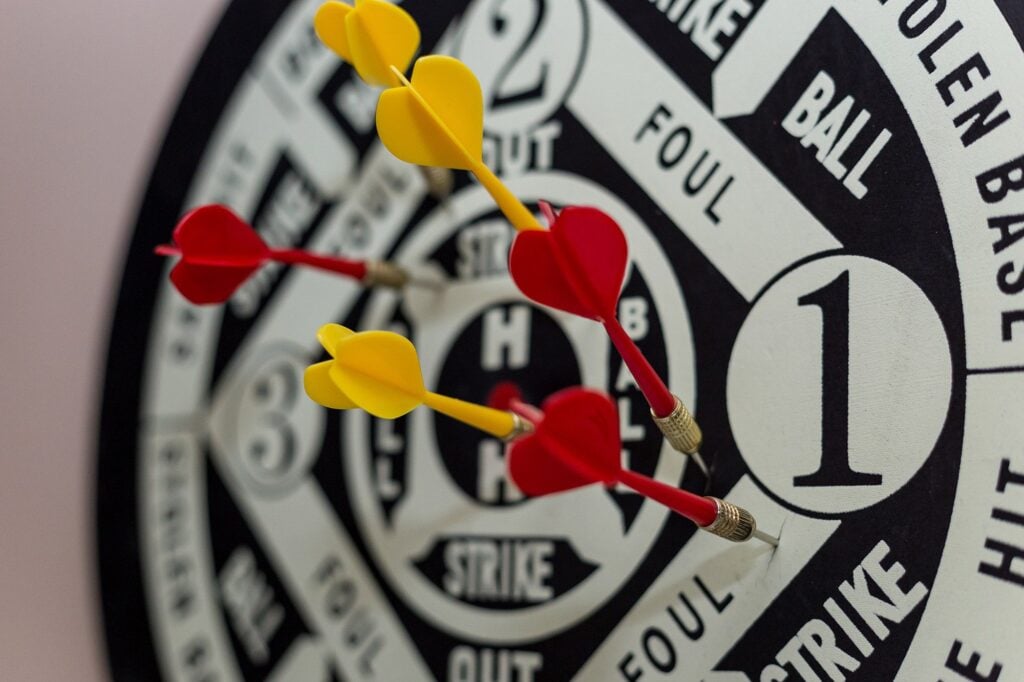
Traditional lawn darts were a backyard game involving throwing large, heavy darts with pointed tips at a target on the ground. They were sold for years as an outdoor game for families and friends.
The product became associated with serious injuries, including injuries to children. Traditional lawn darts were eventually banned from sale to consumers in the United States by the Consumer Product Safety Commission.
Modern versions of lawn games may look similar, but traditional heavy, pointed lawn darts are a very different story. The old sets are best treated as collectibles rather than something to bring out for a backyard game.
Related: Millennials Don’t Want These Products Anymore—and Businesses Are Taking Notice
Tobacco Merchandise Marketed to Children
Cigarette advertising was once much more visible than it is today, and tobacco companies used branded merchandise to promote their products. Hats, shirts, toys, sports-related items, and other promotional products could carry cigarette brand names and logos.
Rules changed substantially after federal laws and major tobacco settlements restricted certain types of tobacco advertising and promotional practices. The 1998 Master Settlement Agreement, for example, prohibited participating tobacco companies from targeting youth and restricted the use of cartoon characters and certain branded merchandise.
The tobacco advertising landscape today looks very different from the one many adults remember from the 1980s.
Highly Flammable Children’s Sleepwear
Children’s sleepwear has been subject to flammability rules for decades, but older garments didn’t always meet the standards that apply today. Loose-fitting children’s sleepwear, in particular, can pose a greater fire risk because it can come into contact with open flames or other heat sources.
Modern U.S. requirements set flammability standards for children’s sleepwear, with different rules depending on the garment type and size. Some products must be made from fabrics that meet the applicable requirements or be treated in a way that reduces their tendency to burn quickly.
That makes old children’s pajamas worth checking before they’re handed down. A vintage pattern may look cute, but clothing made decades ago wasn’t necessarily produced under today’s requirements.
Certain Aerosol Products Containing Harmful Chemicals
Aerosol cans were widely used in homes during the 1980s for everything from hairspray to cleaning products. Some older formulations contained chlorofluorocarbons, or CFCs, which were later found to damage the Earth’s ozone layer.
The United States began phasing out ozone-depleting substances after the Montreal Protocol and subsequent changes to federal regulations. CFCs were eventually prohibited for most aerosol uses, so the formulations found in many older products are no longer used in the same way.
An old aerosol can from the 1980s can therefore be quite different from a modern version of the same product. The can may look familiar, but the chemicals inside and the rules governing them have changed considerably.
Why So Many Old Products Disappeared
Looking back at products from the 1980s shows how much consumer safety rules can change over a few decades. Some products were removed after injuries or health concerns came to light, while others were changed to meet newer standards.
It’s also worth keeping in mind that “illegal today” doesn’t always mean an entire product category disappeared overnight. In many cases, only certain materials, formulations, designs, or uses were prohibited, while similar products continued to be sold in a safer or more closely regulated form.
That’s part of why old products can be so interesting. Something that looked completely ordinary on a store shelf in 1985 may have a very different safety story today.