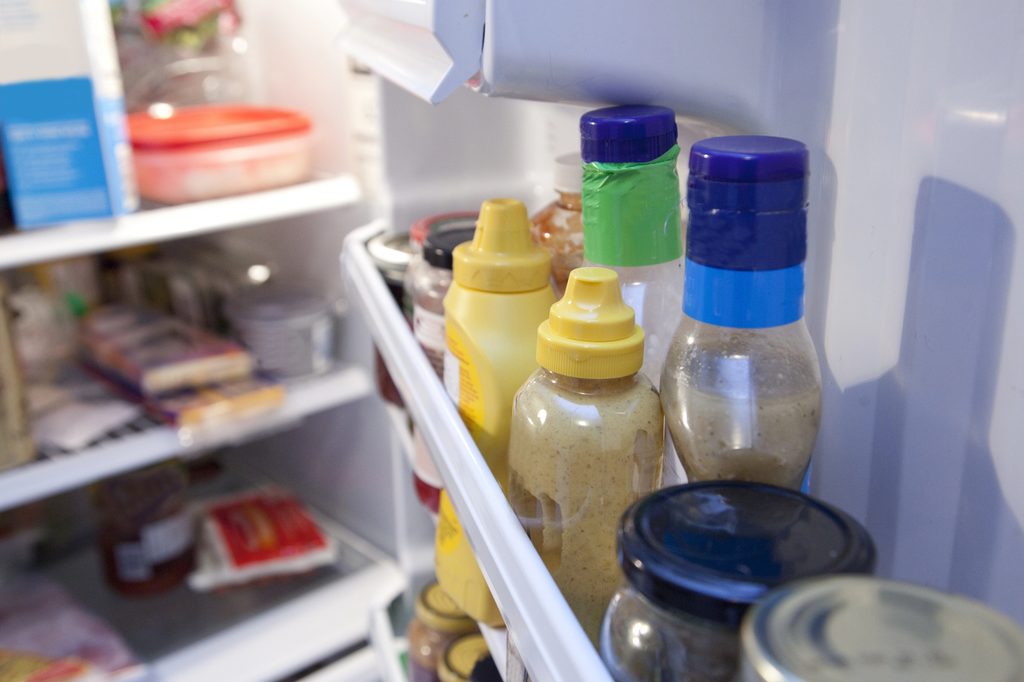
If you take a look inside your refrigerator, there’s a good chance you’ll find a few bottles and jars that have been sitting there longer than you can remember. Maybe it’s that half-used ranch dressing, a jar of salsa, or a bottle of sauce you bought for one recipe and never touched again.
While some condiments can last for months after opening, others have a much shorter shelf life. The ingredients, how they’re stored, and how often they’re opened can all affect how quickly they spoil.
Here are seven condiments you should check before using again, especially if they’re past their recommended storage time or showing signs of spoilage.
Mayonnaise
That jar of mayonnaise in the back of your refrigerator might last longer than you think, but it doesn’t stay fresh forever. Commercial mayonnaise generally keeps for about two months after opening when properly refrigerated, so toss it if it’s been open too long or develops mold, an unusual smell, or other signs of spoilage.
Ranch Dressing
Creamy dressings like ranch, blue cheese, and Caesar can spoil faster than vinegar-based dressings, particularly when they contain dairy or other perishable ingredients. If your dressing has developed an unpleasant smell, unusual texture, mold, or has been open longer than the manufacturer’s recommended period, replace it.
Jarred Garlic in Oil
Garlic stored in oil requires careful handling because improperly prepared or stored garlic-in-oil mixtures can create conditions where the bacteria responsible for botulism grow. Commercially prepared products should be stored according to their labels, while homemade garlic-in-oil mixtures need especially careful refrigeration and should never be kept indefinitely.
Chili Oil
Chili oil can last a while when commercially prepared and properly stored, but homemade versions containing fresh peppers or garlic need more caution. Fresh ingredients submerged in oil can create conditions that allow botulism toxin to develop if the mixture isn’t prepared and stored safely, so discard homemade batches kept beyond recommended storage times.
Related: Surprising Ways People Have Used Castor Oil for Generations
Fresh Salsa
Fresh salsa doesn’t have the same shelf life as commercially canned or shelf-stable salsa, especially when it’s made with fresh tomatoes, onions, and herbs. Once opened, refrigerated fresh salsa should be used within the timeframe on the package, and anything that develops mold, bubbling, an unpleasant smell, or a slimy texture should be thrown away.
Prepared Horseradish
That jar of horseradish you bought for a holiday dinner might still be sitting in the refrigerator months later. Prepared horseradish gradually loses its sharp flavor after opening, and if it develops mold, an unusual odor, or other signs of spoilage, it’s better to replace it than risk it.
Pesto
Pesto often contains fresh basil, cheese, nuts, garlic, and oil, making it more perishable than many bottled sauces. Refrigerated pesto should be used within the storage period listed on its packaging, and homemade versions generally need to be eaten within a few days or frozen for longer storage.