That clean, just-out-of-the-dryer scent is something many of us associate with a finished laundry day. Toss in a sheet, press start, and everything comes out soft and static-free. It’s simple, convenient, and something most households never question.
But dryer sheets are one of those everyday products we rarely stop to think about. While they seem harmless, there are several hidden downsides that don’t get much attention, including residue on clothing, indoor air concerns, and even long-term costs. As more people take a closer look at what they’re bringing into their homes, dryer sheets are getting a second look.
Here are 12 hidden downsides of dryer sheets most households don’t think about.
Chemical Residue on Clothes
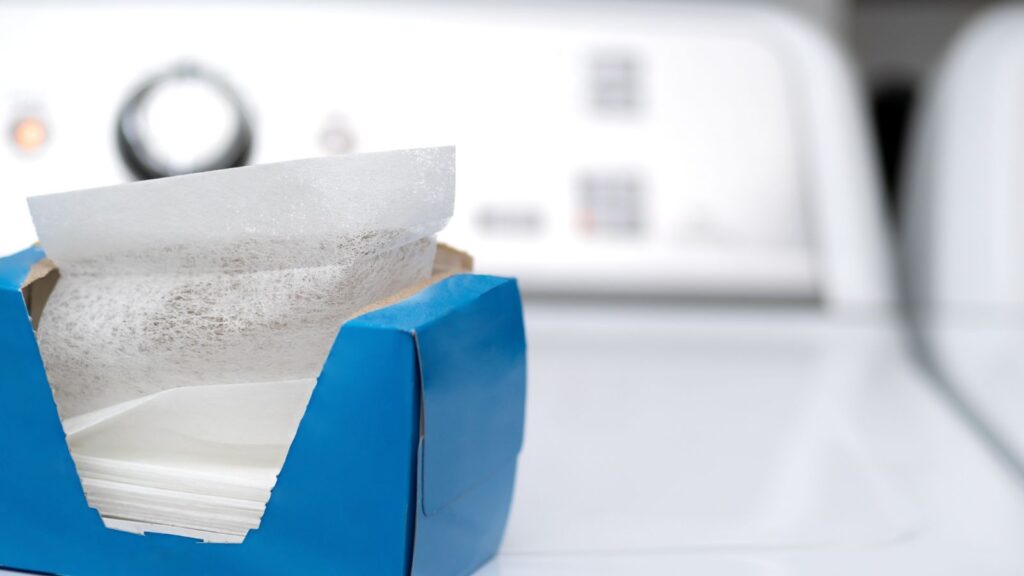
Dryer sheets work by coating fabrics with softening agents that reduce static. That coating doesn’t wash off after the cycle ends; it stays on your clothing.
Over time, this buildup can leave fabrics feeling slightly waxy and less breathable. For people with sensitive skin, the residue may lead to irritation or ongoing discomfort.
Ingredient Transparency
Many dryer sheets contain fragrance blends and chemical softeners that aren’t fully broken down on labels. When heated, some release volatile organic compounds (VOCs).
While the amounts may be small, repeated exposure in enclosed laundry areas can contribute to indoor air concerns that most households never consider.
Skin Sensitivity and Allergic Reactions
Fragrance is one of the most common triggers of contact dermatitis. For those with eczema or sensitive skin, dryer sheets can contribute to itching, redness, or irritation. Because the residue remains on fabric, exposure continues every time those clothes are worn.
Stop Buying Cleaners and Make These All-Natural Versions Instead
Indoor Air Impact
When dryer sheets heat up, the fragrance chemicals they contain are vented into the air and out of the home. The scent may smell “fresh,” but it’s still a manufactured fragrance circulating through your space. In small or poorly ventilated laundry rooms, this can become more noticeable over time.
Potential Pet Risks
Used dryer sheets often retain scent and softness, making them tempting for pets. If chewed or swallowed, the chemical softeners can cause digestive upset. It’s an overlooked risk in households with curious dogs or cats.
Fire Risk From Residue
Dryer sheet residue can transfer to lint screens and contribute to airflow restriction if the filter isn’t cleaned thoroughly. Reduced airflow, combined with lint buildup, increases the risk of overheating, a factor in many household dryer fires.
Reduced Performance of Activewear
Modern athletic fabrics are designed to wick away moisture. The coating left behind by dryer sheets can compromise that performance, making workout clothes feel less breathable and sometimes trapping odors.
Lingering Artificial Scents
That strong “clean laundry” smell doesn’t come from cleanliness it comes from added fragrance. For some people, these synthetic scents can trigger headaches or respiratory discomfort. What feels fresh to one person may feel overwhelming to another.
Reduced Fabric Absorbency
The same coating that makes clothes feel soft can reduce absorbency. Towels may stop drying as effectively, and cloth diapers can lose performance over time. If fabrics seem less functional, dryer sheet buildup could be part of the problem.
Dryer Maintenance Issues
Residue doesn’t just stick to clothing. It can also collect on the lint screen, drum, and interior components. Over time, this buildup may reduce efficiency and force the dryer to work harder than necessary.
Environmental Waste
Dryer sheets are single-use and typically made from non-biodegradable synthetic fibers. Each load adds another small piece of waste to the landfill. It may seem insignificant at first, but over months and years, the waste adds up.
Ongoing Cost
A box of dryer sheets may not seem expensive, but it’s a recurring purchase. When added up over the course of a year, the cost can be much higher than expected, especially compared to reusable alternatives.
A Simpler Alternative Many Households Are Choosing
For households looking to reduce chemicals, cut waste, or save money, wool dryer balls have become a popular alternative. Made from compressed natural wool, they soften fabrics without coating them, help reduce static, and can even shorten drying time by improving airflow.
Other posts you might like:
- Banana Peels Might Be the Most Underrated Natural Boost for Your Garden
- I Stopped Using Dryer Sheets in the Dryer—Here’s Where I Use Them Instead
- Stop Throwing Away Orange Peels — Some Call Them Trash, Others Call Them Kitchen Gold
- Simple DIY Fixes for the Most Annoying Problems Around the House
- 14 Practical Uses for Windex
- 15 Incredible Ways to Repurpose Used Coffee Grounds