
Goodwill is one of the most recognizable thrift store chains in the country, yet it’s also one of the most misunderstood. While millions of people donate clothing, furniture, books, and household goods every year, many shoppers still have misconceptions about where the money goes, how the stores operate, and what Goodwill actually does beyond selling secondhand items.
From workforce training and career services to online auctions and community programs, there’s a lot happening behind the scenes that most shoppers never see. Here are seven things people commonly get wrong about Goodwill.
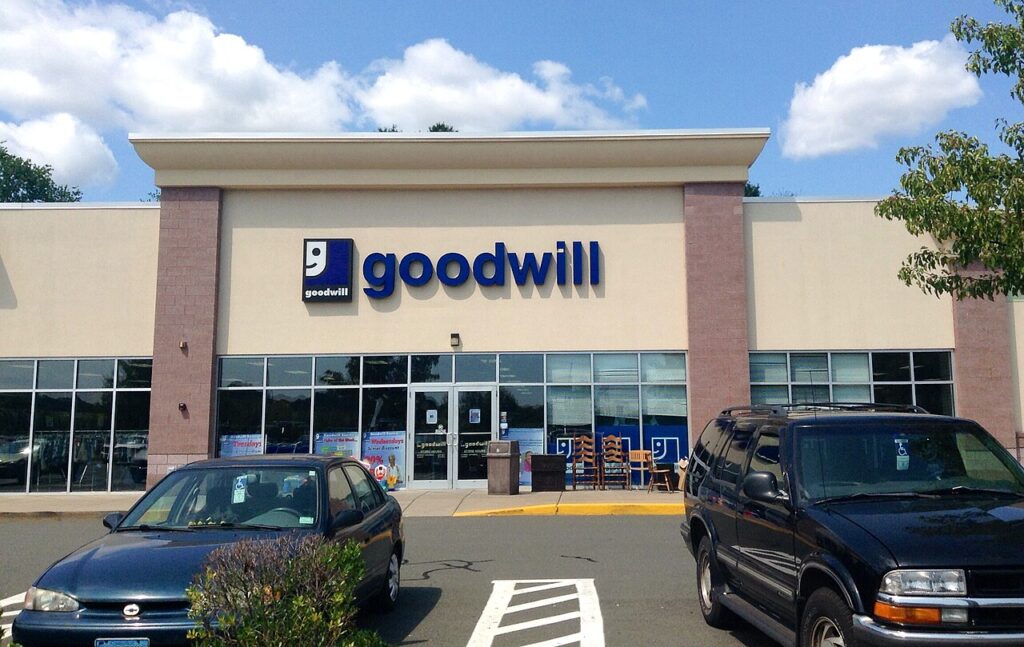
Goodwill Isn’t Just a Thrift Store
Many people think Goodwill exists solely to sell donated items, but its retail stores are only one part of a much larger mission. Revenue from donations helps fund employment programs, job training, and other community services that help people build long-term careers.
Related: Goodwill Shoppers Say the Chain Has Forgotten Its Original Mission
Most of the Money Goes Back Into the Mission
One of the biggest misconceptions is that donated items simply generate profit for the stores. In reality, the revenue supports workforce development programs, career coaching, job placement assistance, résumé workshops, digital skills training, and employment opportunities for people facing barriers to employment.
Related: 10 Used Items That Are Better Bought New Than at Goodwill
Donations Often Stay in the Local Community
Many shoppers assume donations are shipped across the country, but Goodwill operates through a network of independent regional organizations. That means much of the revenue generated by local donations stays within the same community, helping fund programs and services for local residents.
Goodwill Offers More Than Job Training
Career training is a major part of Goodwill’s mission, but many locations also provide additional services that help people succeed after finding employment. Depending on the region, these programs may include financial literacy classes, computer training, transportation assistance, housing referrals, veteran services, and partnerships with local workforce agencies.
Some Goodwill Locations Offer Unique Community Programs
Not every Goodwill provides the same services, which surprises many shoppers. Depending on where you live, your local organization may offer culinary training programs, retail training centers, tax preparation assistance during tax season, or other community-focused initiatives tailored to local needs.
Goodwill Has an Online Store
Many people don’t realize that some of Goodwill’s most valuable donations never make it to the sales floor. Through Goodwill’s online marketplace and auction sites, shoppers can browse collectibles, jewelry, electronics, designer clothing, artwork, antiques, and other specialty items from the comfort of home.
Related: 16 Best Online Thrift Stores for Furniture and Home Decor
Running a Goodwill Store Costs Money Too
Because Goodwill is a nonprofit, some people assume every dollar from sales goes directly into charitable programs. Like any large retail operation, however, Goodwill uses revenue to cover operating expenses such as employee wages, transportation, utilities, warehouse space, rent, donation processing, and technology, all of which make it possible to collect donations and support its community programs.