It’s surprisingly easy to talk yourself into buying something when the purchase feels useful. Maybe you tell yourself it will help you stay organized, save time, get healthier, or finally become the person who has their life together. The problem is that good intentions don’t always turn into regular use.
A lot of these purchases end up sitting in closets, taking up shelf space, or quietly charging our credit cards every month. If you’re trying to spend less and keep clutter under control, here are some things worth thinking twice about before buying.
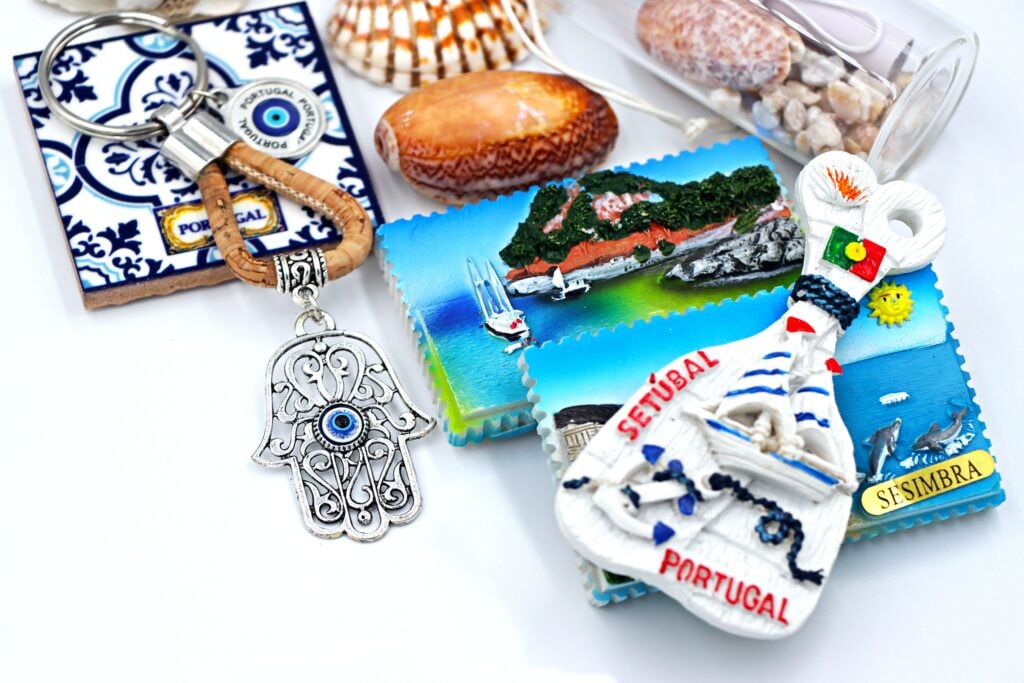
Souvenirs
Buying a souvenir can feel like part of the vacation. You’re standing in a gift shop after a great day, and that mug, T-shirt, magnet, or little decoration suddenly feels like the perfect way to remember the trip.
Once you get home, though, the excitement can wear off pretty quickly. The souvenir gets tossed into a drawer or displayed for a while before becoming just another thing to dust. Photos, stories, and the memories from the trip often end up meaning much more than the item you brought home.
Related: 9 things almost everyone forgets to declutter
Online Subscriptions
Signing up for a streaming service, premium app, online course, or digital membership can seem like a small expense. A few dollars a month doesn’t feel like much, especially when you tell yourself you’ll use it all the time.
The trouble comes when you stop using it but forget to cancel. A subscription can keep billing you month after month even when you’re barely opening the app or website. Checking your bank and credit card statements every so often can help you spot services you’re still paying for but not using much.
Extended Warranty Plans
An extended warranty can feel like a smart way to protect an expensive purchase. Nobody wants to spend hundreds of dollars on a new appliance or electronic device only to have it break shortly after the original warranty expires.
The catch is that you’re paying extra for coverage you may never need. Whether a warranty makes sense depends on the product, its price, the plan’s terms, and how much repairs would actually cost. Before adding one at checkout, it’s worth looking at what the original warranty already covers and what the extended plan actually adds.
Related: 5 Things You Should Stop Leaving in Your Entryway
Expensive Exercise Equipment
Buying a treadmill, rowing machine, elliptical, or exercise bike can feel like you’re finally serious about working out at home. It’s easy to picture yourself using it every morning and saving money on a gym membership.
Then real life gets in the way. The machine becomes something you walk around rather than something you exercise on, and before long, it may be holding clothes, bags, or whatever else doesn’t have a home.
If you already know you struggle to stick with home workouts, spending a lot on equipment probably won’t fix the problem on its own. Trying a cheaper option first, such as walking, bodyweight workouts, or a basic set of weights, can give you a better idea of what you’ll actually use.
Unnecessary Baby Gear
New parents are often presented with a long list of products they’re supposedly going to need. Some baby gear can make everyday life much easier, but plenty of other gadgets sound more useful before the baby actually arrives.
Certain products may be used for only a few weeks or never become part of your routine at all. By the time you figure out what works for your family, you’ve already spent money on items that are now sitting in a closet.
Baby gear also accumulates easily because babies grow so quickly. Before buying another gadget, it can help to ask how often you’ll realistically use it, how long you’ll need it, and whether something you already own can do the same job.
Related: 11 Clever Planter Ideas Using Things You Already Have at Home
Cookbooks
There’s something appealing about a shelf full of cookbooks. Flipping through the pages can make you feel like you’re going to start cooking more interesting meals and trying recipes you normally wouldn’t make.
Then Tuesday night arrives, you’re hungry, and you reach for your phone instead. A quick online search can give you hundreds of recipes in seconds, which is one reason many beautiful cookbooks end up sitting untouched.
That doesn’t mean cookbooks are a waste for everyone. If you genuinely enjoy cooking from them, they’re worth having. The problem is buying several because they look inspiring and then realizing you rarely open any of them.
Planners and Journals
A brand-new planner can give you the feeling that you’re starting fresh. The pages are clean, the calendar is empty, and it feels good to finally be able to keep track of appointments, goals, errands, and daily tasks.
For many people, that routine lasts a few weeks. Then the planner gets left on a desk while phone calendars, alarms, and reminder apps take over again.
Journals can go the same way. There’s nothing wrong with buying one if you enjoy writing by hand, but buying another notebook every time you want to get organized won’t necessarily make the habit stick.
Single-Purpose Kitchen Gadgets
Specialty kitchen gadgets are particularly good at convincing us that they’ll make cooking more fun. A cake pop maker, hot dog toaster, cotton candy machine, or popcorn kettle can seem like a great idea when you’re looking at it in a store or watching someone use it online.
The reality is that many of these appliances have very limited uses. You might make cake pops once, use the popcorn machine a couple of times, and then realize the appliance needs an entire cabinet for something you rarely make.
Before buying a gadget that does one very specific job, think about how often you’ll actually use it. If the answer is once or twice a year, a regular kitchen tool may be a better use of your money and storage space.