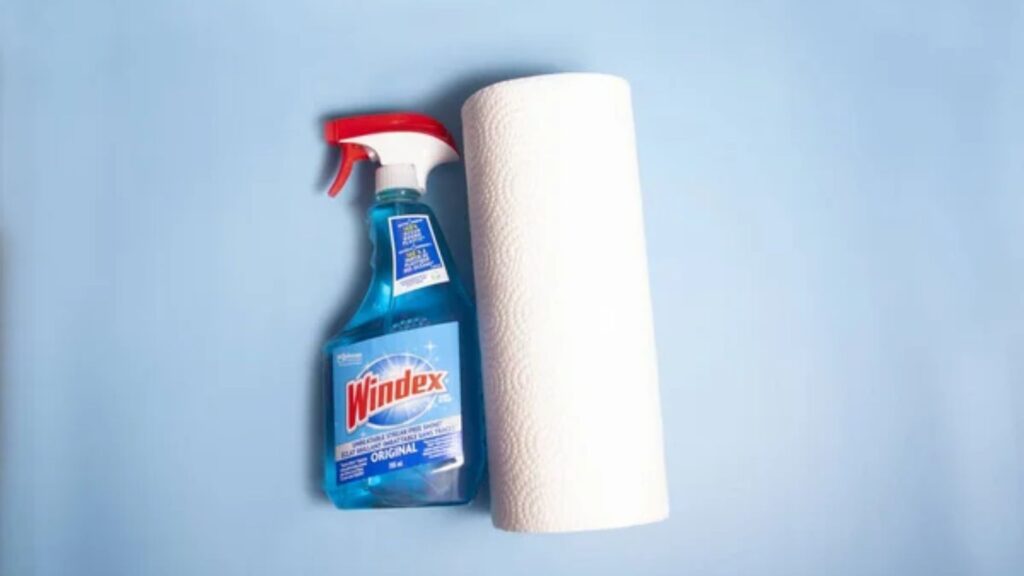
Windex is one of those cleaning products that seems to end up everywhere. Most people keep a bottle under the kitchen sink, and because it works so well on windows and mirrors, it’s easy to assume it’s safe for just about any surface.
I used to reach for it without thinking twice. A fingerprint on an appliance? Windex. A smudge on a countertop? Windex. Something needed a quick wipe? Same bottle.
The problem is that glass is very different from many of the other materials around your house. Depending on the formula, cleaners containing ingredients such as ammonia and alcohol can be too harsh for certain finishes, coatings, metals, and natural materials.
Sometimes the result is just a streaky surface. In other cases, repeated use can leave a finish looking dull or contribute to damage that’s much harder to fix.
Here are nine things I’d think twice about cleaning with Windex.
Stainless Steel Appliances
Windex can make fingerprints disappear from stainless steel pretty quickly, which is probably why so many people use it. The trouble usually comes afterward when you notice streaks, residue, or a finish that doesn’t look quite as clean as it did before.
Stainless steel appliances often have a particular grain and finish that need a gentler cleaner. Spraying Windex directly onto the surface can also leave more product behind than you realize.
For routine cleaning, I prefer something made specifically for stainless steel, such as Weiman Stainless Steel Cleaner and Polish. It’s made for cleaning fingerprints, smudges, and everyday grime without leaving the same type of residue.
A microfiber cloth also helps because it picks up fingerprints without requiring a lot of cleaner.
Related: The Biggest Mistakes People Make When Cleaning Window Blinds
Wood Furniture and Surfaces
Wood is another surface I wouldn’t automatically reach for Windex to clean.
Furniture may have a protective finish over the wood, and using the wrong cleaner repeatedly can leave that finish looking dry, cloudy, or worn. Older furniture can be especially sensitive because its finish may already have some wear.
Instead of spraying glass cleaner across a wooden table or cabinet, I’d use something made for finished wood, such as Daily Wood Cleaner.
For antique or valuable furniture, it’s worth checking the manufacturer’s cleaning instructions or testing any product on a hidden area first. A quick cleaning job isn’t worth damaging a piece you’ve had for years.
Granite or Marble Countertops
Stone countertops look tough, but natural stone can be much more sensitive to cleaning products than people realize.
Granite and marble can have a protective sealant that helps keep liquids and stains from soaking into the surface. Harsh or unsuitable cleaners may affect that finish over time. You can also end up with a cloudy film that makes an otherwise beautiful countertop look dull.
I’d skip the Windex and reach for a cleaner made for stone instead. Granite Gold Daily Cleaner is one example of a pH-balanced option intended for surfaces such as granite, marble, and other natural stone.
If you’re unsure what type of stone you have or whether it has been sealed, check with the countertop manufacturer or installer before using a new cleaning product.
Related: People With Clean Homes Aren’t Cleaning All Day—They’re Doing This Instead
Electronic Screens
Your television, laptop, tablet, and phone screens are definitely not places where I’d casually spray Windex.
Modern screens can have coatings that help with glare, fingerprints, or other surface issues. Some cleaning chemicals can damage those coatings or leave the screen looking cloudy and streaked.
There’s also the issue of liquid getting into openings around the screen.
For routine cleaning, I prefer a dry or slightly damp microfiber cloth. If the screen needs more than that, use a cleaner made for electronics, such as a Screen Cleaner Kit. Spray the cleaner onto the cloth rather than directly onto the screen, unless the product instructions specifically say otherwise.
Leather Furniture
Leather furniture needs a little more care than a quick spray-and-wipe cleaning.
Leather can dry out and lose some of its softness when exposed to unsuitable cleaners. Windex may also affect the finish or color of certain types of leather.
That doesn’t mean you need a complicated cleaning routine. A product made specifically for leather, such as Leather Cleaner, is a much safer starting point.
Before cleaning an entire sofa or chair, check the manufacturer’s care instructions and test the product on a hidden section. Leather finishes can vary quite a bit, so a cleaner that works perfectly on one piece may not be right for another.
Related: 14 Clever Uses for Windex You’ll Actually Want to Start Using Right Away
Laminate Countertops and Glass Stovetops
Laminate countertops and glass cooktops both need a little care, especially if you want to keep their finishes looking good.
Using the wrong cleaner over and over can leave a laminate surface looking dull or streaky. Glass stovetops have their own set of problems because cooked-on food, grease, and tiny bits of debris can create scratches if you scrub too aggressively.
For glass cooktops, I’d use a product made for the job, such as Cerama Bryte Cooktop Cleaner. It’s intended to tackle grease and cooked-on food while being suitable for smooth cooktop surfaces.
For laminate, follow the manufacturer’s cleaning recommendations. A soft cloth and a mild cleaner are usually a better choice than reaching for a strong glass cleaner.
Copper and Brass
Copper and brass need a different type of cleaner altogether.
If you have copper cookware, decorative pieces, hardware, or brass fixtures around your house, Windex isn’t the product I’d grab when they start looking dull. It isn’t made to remove the tarnish that builds up on these metals, and the wrong cleaner can affect the finish or patina.
For pieces that are meant to have their shine restored, something such as Wright’s Copper Cream is a better match.
Keep in mind that some copper and brass pieces are intentionally left with a darker patina. If you like that aged appearance, you may not want to polish them at all.
Painted Walls
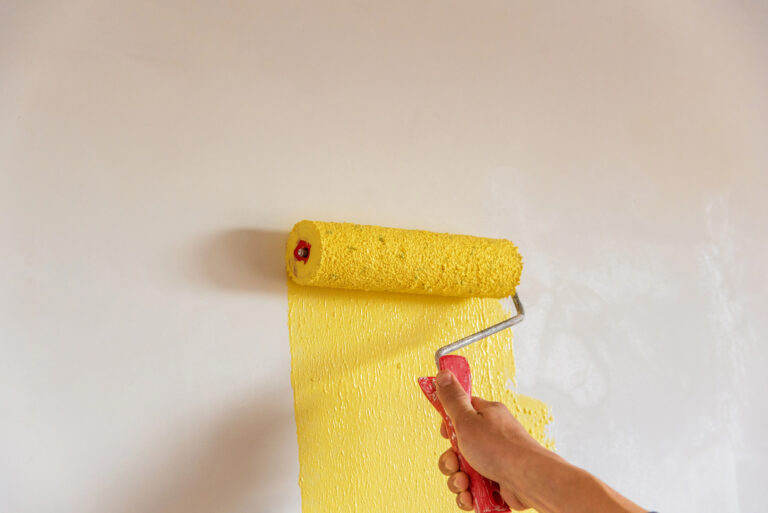
A little spot on the wall can make you want to grab whatever cleaner is closest, but painted walls aren’t the place to experiment with strong products.
This is especially true with flat, matte, or low-sheen paint. Aggressive rubbing or the wrong cleaner can leave behind a shiny patch, discoloration, or an area that looks noticeably different from the surrounding paint.
For small marks, I prefer starting with the gentlest method possible. A soft damp cloth may be enough. If you need a cleaning product, something like Mrs. Meyer’s Clean Day Multi-Surface Cleaner can be a better option, provided the paint manufacturer allows it.
Always test a small hidden area first, particularly if you’re dealing with older paint.
Jewelry
Jewelry is another category where a general-purpose glass cleaner isn’t always the best choice.
Different metals and gemstones have very different cleaning requirements. Some stones are softer than others, and certain finishes or treatments can be damaged by harsh chemicals. Costume jewelry can be even trickier because coatings and glued components may not react well to cleaning products.
For everyday pieces that need a little cleaning, a product made for jewelry, such as Brilliant Jewelry Cleaner, is a better place to start.
Still, check the care instructions for valuable jewelry before cleaning it yourself. Pearls, opals, and some other stones require special care, and a professional jeweler may be the safest choice for valuable or delicate pieces.
Related: 12 Simple Ways to Keep Your Home Clean Without Spending Hours on It
Windex Still Has Its Place
None of this means Windex is a bad cleaner. It’s great for many of the jobs it was made for, particularly glass and other compatible surfaces.
The problem comes from treating one cleaner like it works equally well on every material in the house. A bottle that makes your windows sparkle may not be the right choice for your wood table, leather sofa, television, or stone countertop.
Keeping a few surface-specific cleaners around can save you from replacing or repairing something later. And before using any cleaner on an unfamiliar surface, checking the manufacturer’s care instructions is usually worth the extra minute.
Other Posts You Might Like
- How to Clean a Couch with a Steam Cleaner
- This Is What People With Clean, Organized Homes Do Differently
- 12 Hidden Habits of People Who Always Have An Immaculately Clean and Organized Home
- 19 Airbnb Cleaning Hacks (Cleaning Secrets for Hosts)
- Grandma’s Best Kept Cleaning Tips That Put Today’s Cleaning Routines to Shame