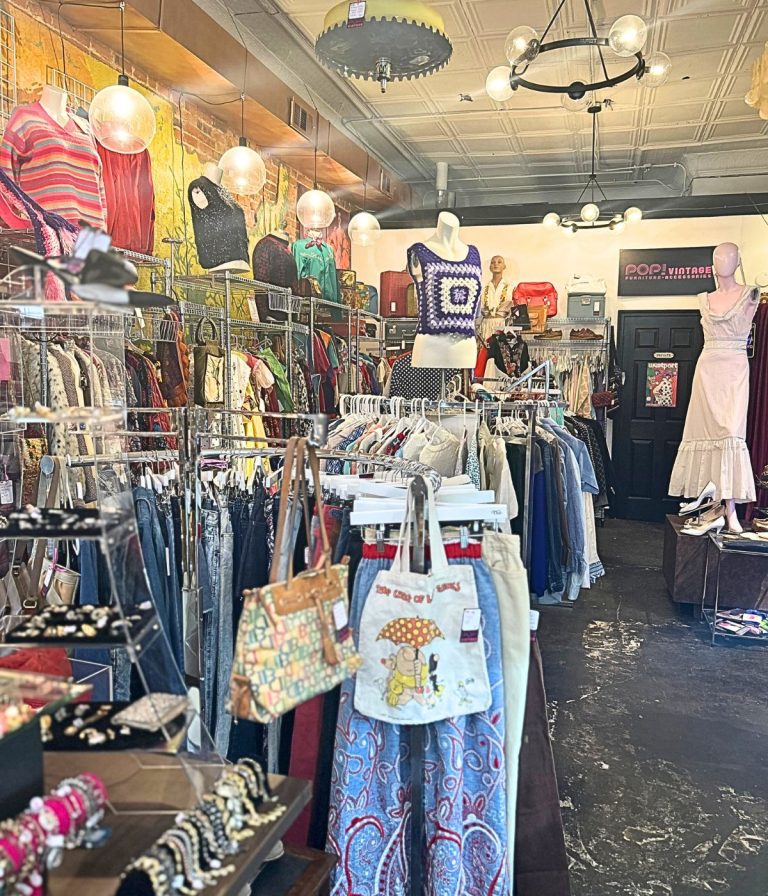
There’s always a point during the year when people start clearing things out, closets get sorted, garages get tackled, and donation piles start to grow. During these times, thrift stores see a huge increase in drop-offs, with donation centers handling thousands of items every day.
Donating is one of the easiest ways to give your unwanted items a second life, but not everything belongs in a donation bin. A lot of people assume that if they don’t want something, a thrift store will take it, but that’s not always the case.
Over time, donation guidelines have become stricter. Some items can’t be accepted because they pose safety risks, others can’t legally be resold, and some simply cost more for stores to handle and dispose of than they’re worth. In some cases, the wrong donations have even caused serious disruptions, including store evacuations when hazardous items were dropped off.
Because of this, organizations like Goodwill and the Salvation Army are asking donors to be more mindful about what they bring in. Knowing what not to donate can save you time, prevent waste, and help keep donation centers running smoothly.
Here are some of the most common items thrift stores can no longer accept.
Mattresses and Bedding
Goodwill typically does not accept mattresses, box springs, mattress toppers, bed pillows, air mattresses, sleeper sofas, water beds, or similar items. Health and sanitation regulations make it difficult or impossible to resell these items safely.
Baby Gear and Children’s Safety Items
Items like cribs, car seats, highchairs, strollers, bassinets, walkers, and changing tables are usually not accepted. Safety standards change frequently, and there’s no reliable way for stores to confirm whether these items meet current guidelines or have been recalled.
Because of the risk involved, most thrift stores won’t take them at all.
Related: This Is the One Item I Always Walk Past When I Thrift
Wet, Moldy, or Mildewed Items
Anything that is damp, moldy, or mildewed should not be donated. Moisture can spread quickly and ruin other items in the donation stream. These conditions can also pose health risks to employees handling the donations.
If an item smells musty or shows visible signs of mold, it’s better to dispose of it properly.
Broken or Heavily Worn Items
Items that are broken, torn, stained, rusty, or falling apart are not suitable for resale. This includes damaged furniture, heavily worn clothing, or items missing essential parts.
While it may feel wasteful to throw these items away, donating them often creates extra work and disposal costs for the store.
Expired or Opened Cosmetics
Opened or expired makeup and skincare products are considered a hygiene risk and are not accepted. Even if something looks fine, it can carry bacteria or cause reactions once it’s been used.
Most stores will only accept sealed, unused personal care items to keep shoppers safe.
Medical Equipment and Supplies
Items like walkers, braces, crutches, portable toilet and wheelchairs typically aren’t accepted because they require a proper inspection and, in some cases, a prescription. There’s too much liability involved for stores to resell them safely.
Oversized or Very Heavy Furniture and Equipment
Large furniture and exercise equipment that weigh over 50 pounds are often not accepted. Some Goodwill locations do not accept furniture due to space and staffing limitations.
It’s best to check with your local store before attempting to donate oversized items.
Hazardous or Flammable Items
Hazardous materials should never be donated. This includes chemicals, paint, propane tanks, gasoline-powered tools, fireworks, and other flammable items.
Items that resemble weapons, even if they are novelty or decorative, can cause serious safety concerns. In one recent situation, a donation pile contained a grenade-shaped object, prompting an evacuation because staff could not immediately determine whether it was real.
Firearms, Ammunition, and Explosives
Weapons and related items are strictly prohibited. Even replicas or novelty versions are not acceptable, as donation staff cannot safely assess them.
Anything that could be mistaken for a weapon should not be placed in a donation bin.
Large Appliances and Certain Electronics
Most Goodwill locations do not accept large appliances such as refrigerators, stoves, dishwashers, washers, dryers, air conditioners, or water heaters. Televisions are also commonly refused.
These items are difficult to test, store, and resell, and they often fall under special disposal regulations.
Related: Kitchen Appliance Checklist: Your 19 Must-Haves
Food, Beverages, and Personal Care Products
Food and drinks are not accepted, whether opened or sealed. Cosmetics, hair care products, and similar items are also refused due to contamination and expiration concerns.
Construction and Home Improvement Materials
Goodwill generally does not accept building materials, loose carpet, plumbing fixtures, window blinds, rods, or office cubicles. These items are difficult to store and rarely resell well at thrift stores.
Loose Rags and Cleaning Materials
Clean or dirty rags and similar materials are often refused. Once mixed into donations, they are difficult to sort and can be mistaken for contaminated items.
Old Print Materials
Encyclopedias, magazines, and newspapers are typically not accepted. Demand for these items is low, and most stores cannot resell them.
Other Posts You Might Like
- 20 Collectibles in Your Parents’ House That Could Be Worth a Fortune
- 13 Random Items in Your Home That Could Be Worth Thousands
- From Oil Lamps to Porcelain Pigs, These Are the Strangest Things People Collect
- 13 Garage Sale Items That Collectors Actively Look For (and Pay Well For)
- 17 Everyday Items in Your Kitchen That Are Secretly Valuable