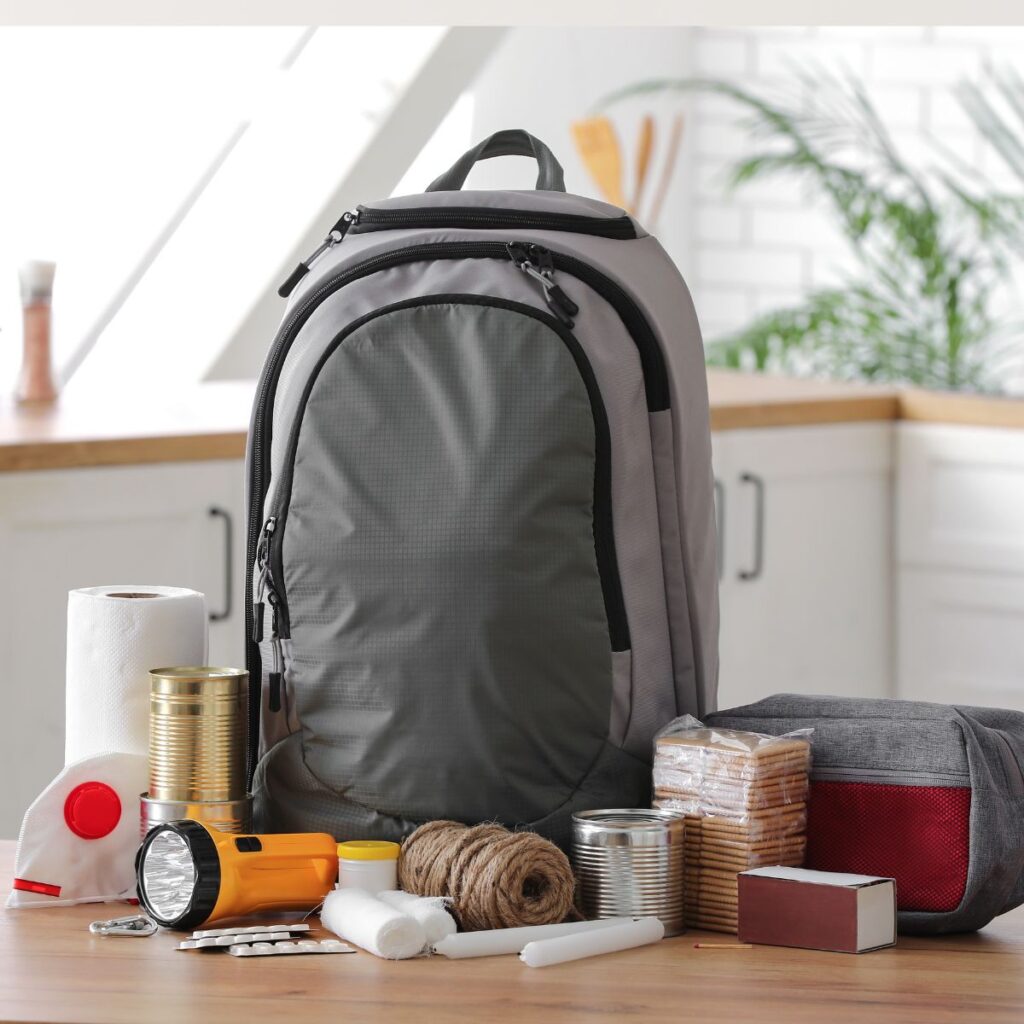
When people first get into prepping, the natural instinct is to buy more. More food, more supplies, more gear, and more of anything that seems useful in an emergency. After all, being prepared often feels like having plenty of everything on hand.
The problem is that not every item deserves valuable storage space. Some supplies expire faster than people realize, some are difficult to store properly, and others simply aren’t as useful during a real emergency as they seem on the store shelf. In many cases, preppers end up spending money on items they rarely use while overlooking essentials they’ll actually depend on.
A well-planned stockpile isn’t necessarily the biggest one. It’s the one that focuses on practical supplies that fit your family’s needs and can realistically be rotated and maintained. Here are 15 things many people love to stockpile but may want to reconsider before buying more.
Junk Food and Sweets
Comfort foods are tempting additions to any emergency pantry. A stash of cookies, candy bars, chips, and snack cakes can seem like a morale booster during stressful situations.
The problem is that these foods offer very little nutrition while taking up space that could be used for more balanced staples. Many processed snacks also have shorter shelf lives than people assume. Keeping a few treats on hand is reasonable, but building an emergency food supply around junk food can leave you with plenty of calories and very little actual nourishment.
Canned Soups and Highly Processed Convenience Meals
There’s no denying the convenience of canned soup and ready-to-eat meals. They’re easy to store, simple to prepare, and widely available.
However, many varieties are packed with sodium, preservatives, and fillers while offering relatively little protein or long-term nutritional value. A few cans can be useful, but relying heavily on processed convenience foods may not be the healthiest long-term strategy. Many preppers prefer stocking ingredients that can be used in multiple recipes rather than shelves full of single-purpose meals.
Mountains of Toilet Paper
The toilet paper shortages of recent years convinced many people that more is always better. As a result, some households devoted entire closets and storage rooms to oversized toilet paper stockpiles.
While it’s certainly worth having extra, toilet paper is bulky and consumes a surprising amount of storage space. Once basic needs are covered, additional storage may be better spent on food, water, medical supplies, or other necessities that are harder to replace.
Too Many Battery-Powered Gadgets
Flashlights, lanterns, radios, fans, and other battery-operated devices can be incredibly useful during power outages.
The issue arises when every preparedness solution depends on disposable batteries. Batteries eventually lose power in storage and require regular replacement. A mix of rechargeable, solar-powered, hand-crank, or manual alternatives often provides more flexibility and reduces long-term dependence on stored batteries.
An Entire Shelf of Specialized Cleaning Products
Many households accumulate separate products for glass, countertops, bathrooms, kitchens, floors, stainless steel, and dozens of other cleaning tasks.
In reality, a few versatile cleaning supplies can handle most household needs. Stockpiling large quantities of specialty cleaners often creates clutter and waste. Some products, including bleach, also lose effectiveness over time, making oversized stockpiles less useful than people expect.
Cases of Bottled Water
Emergency water storage is essential, but relying exclusively on plastic water bottles isn’t always the best long-term solution.
Bottled water takes up significant space and requires continual rotation. Many experienced preppers focus on combining stored water with filtration systems, water purification methods, and refillable containers that provide greater flexibility during extended emergencies.
More Firewood Than You’ll Ever Use
Firewood can provide heat, cooking fuel, and emergency backup energy. However, there is a point where stockpiling more becomes impractical.
Large amounts of firewood require space, protection from moisture, and ongoing maintenance. Excessive wood piles can also attract insects, rodents, and other pests. Storing a realistic supply based on actual consumption often makes more sense than accumulating decades’ worth.
Excessive Alcohol
Some people store alcohol for bartering, medicinal uses, cooking, or personal enjoyment. While there are legitimate reasons to keep some on hand, alcohol is often overstocked compared to more essential supplies.
In an emergency, food, water, medications, sanitation supplies, and communication tools will likely provide far greater value. A modest supply may be useful, but dedicating large amounts of storage space to alcohol rarely improves overall preparedness.
Single-Use Plastics
Disposable utensils, plastic bags, and other single-use products often seem convenient during emergencies.
The downside is that they create large amounts of waste while offering limited long-term value. Reusable containers, food storage systems, and durable utensils generally provide greater flexibility and reduce the need for constant replacement.
Medications You Don’t Actually Need
Maintaining a supply of necessary medications is one of the smartest preparedness steps a person can take.
Problems arise when people begin stockpiling medications they don’t use or allow expired products to accumulate. Medications have shelf lives, storage requirements, and potential safety concerns. It’s generally more effective to focus on maintaining an organized supply of essential medicines rather than accumulating unnecessary extras.
More Clothing Than Necessary
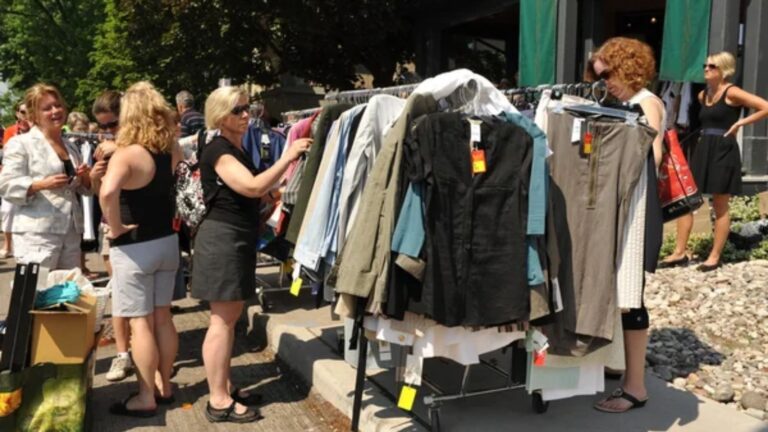
Preparedness-minded people often collect extra jackets, boots, gloves, and outdoor gear. While backups are important, clothing can quickly become one of the largest sources of clutter in a stockpile.
Instead of accumulating endless duplicates, focus on durable, seasonally appropriate items that serve multiple purposes. Quality usually provides more value than quantity.
Huge Collections of Fire Starters
Fire-starting supplies are useful, inexpensive, and easy to collect. Before long, many preppers find themselves with dozens of lighters, containers of matches, commercial fire starters, and homemade tinder bundles.
Having backups is smart, but fire starters are relatively easy to replenish. A few reliable methods are usually sufficient without devoting excessive storage space to hundreds of redundant options.
Excessive Paper Products
Paper towels, napkins, paper plates, and disposable cleaning wipes can be convenient, but they consume a surprising amount of space.
Many can be supplemented with washable cloth towels, reusable rags, and durable dishware. Maintaining some disposable products is practical, but oversized stockpiles often create more storage challenges than benefits.
More Survival Gear Than You Can Actually Use
Preparedness catalogs and survival websites make it easy to believe you need every gadget on the market.
In reality, many pieces of specialized survival gear perform only one task and rarely leave the storage bin. A smaller collection of dependable, multi-purpose equipment is often more valuable than shelves full of tools that never get used. If you don’t know how to use it or haven’t practiced with it, it may not deserve space in your stockpile.
Foods With Short Shelf Lives
One of the most common stockpiling mistakes is purchasing large quantities of foods that spoil before they can be used.
Fresh dairy products, certain oils, snacks, and specialty ingredients often expire long before an emergency occurs. Building a pantry around shelf-stable staples such as rice, beans, oats, canned goods, freeze-dried foods, and dehydrated ingredients usually results in less waste and greater long-term preparedness.