For many people growing up in the 1960s and 1970s, Saturday morning had its own special rhythm. You’d wake up early, pour a bowl of cereal, and settle in front of the TV while the rest of the house was still quiet. For a few hours, the airwaves belonged to cartoons.
It became a weekly ritual for millions of families. Many of these shows introduced characters that are still recognizable decades later.
If you grew up during that era, chances are you remember at least a few of these cartoons. Here are some of the Saturday morning classics from the ’60s and ’70s that helped define childhood for a generation.
The Flintstones
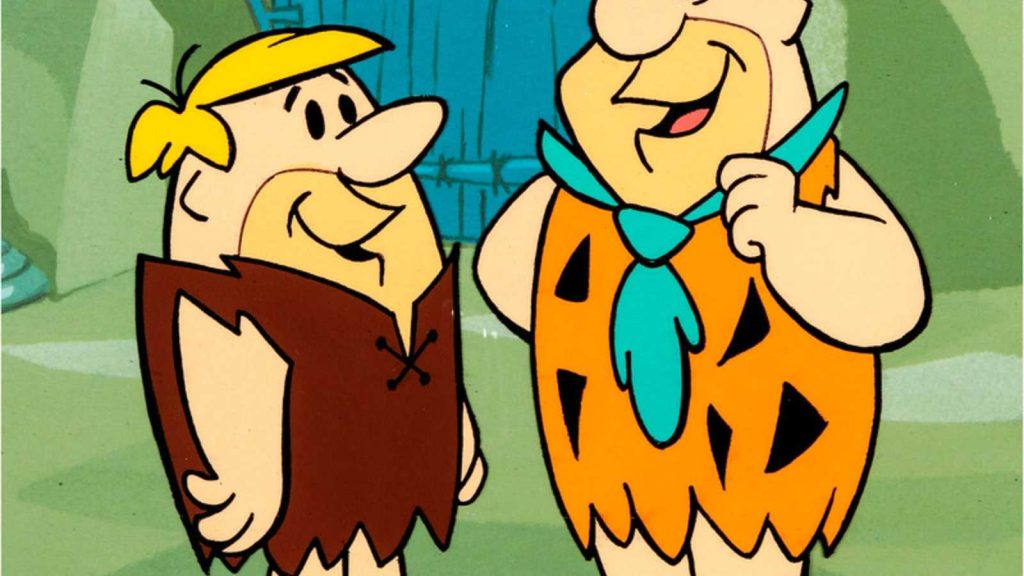
The Flintstones debuted in 1960 and quickly became one of the most recognizable animated shows of its time. Set in the prehistoric town of Bedrock, the series followed Fred Flintstone, his family, and their neighbors as they navigated everyday life with a Stone Age twist.
The show blended family comedy with clever jokes about modern life, which helped it appeal to both kids and adults. Even today, Fred’s famous “Yabba Dabba Doo!” remains one of the most recognizable catchphrases in cartoon history.
Scooby-Doo, Where Are You!
When Scooby-Doo, Where Are You! premiered in 1969, it introduced a formula that would become instantly familiar. Scooby-Doo and his group of mystery-solving friends traveled from place to place, uncovering spooky secrets.
With its mix of humor, creepy settings, and the classic “person in the mask” reveal, the show became a staple of Saturday mornings and spawned decades of spin-offs.
Looney Tunes
Although many Looney Tunes cartoons originally appeared in movie theaters, they became Saturday-morning favorites once they began airing on television. Characters like Bugs Bunny, Daffy Duck, Porky Pig, and Elmer Fudd quickly became household names.
The clever humor and fast-paced slapstick made these shorts endlessly entertaining, and they remain some of the most beloved animated cartoons ever created.
Tom and Jerry
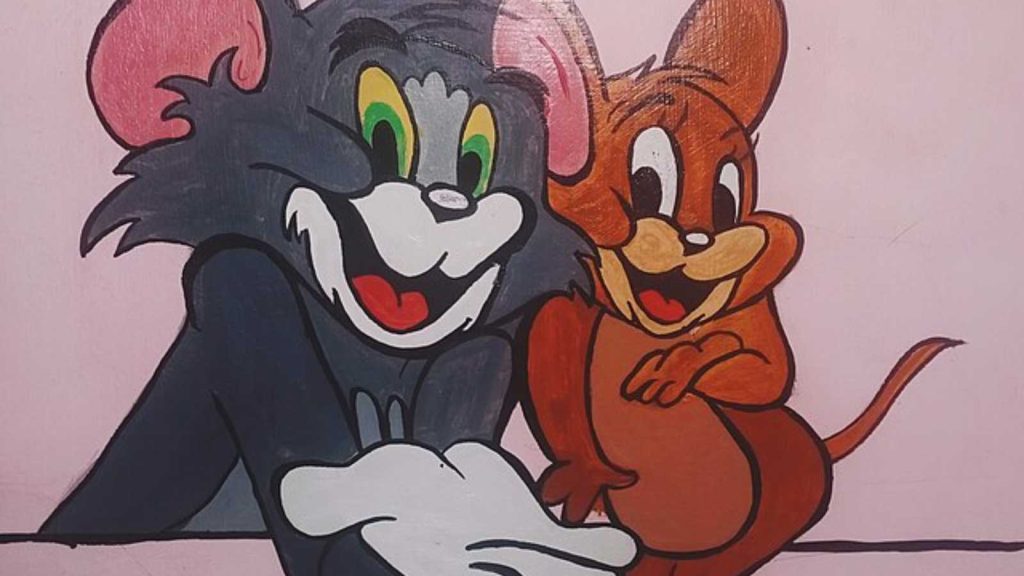
The endless rivalry between Tom the cat and Jerry the mouse made this series one of the most entertaining cartoons of its time. Much of the humor relied on visual gags and exaggerated slapstick rather than dialogue.
The animation was remarkably detailed, and the series earned multiple Academy Awards for its theatrical shorts before finding an eager audience on television.
The Jetsons
Premiering in 1962, The Jetsons imagined what everyday life might look like in the future. The show followed George Jetson, his wife Jane, their children Judy and Elroy, and the ever-helpful robot maid Rosie.
Flying cars, video calls, and automated gadgets filled their world. Interestingly, many of the technologies once imagined on the show have since become part of everyday life.
Josie and the Pussycats
Josie and the Pussycats combined music, mystery, and adventure in a colorful animated series about an all-girl rock band traveling the world.
While touring, the band often found themselves caught up in strange mysteries and daring escapades. The show’s catchy songs and bright animation helped it stand out among other cartoons of the era.
Speed Racer
Originally produced in Japan, Speed Racer became one of the first anime series to gain widespread popularity with American audiences.
The show followed young race car driver Speed Racer as he competed in high-stakes races, battled villains, and uncovered conspiracies. Its dramatic storytelling and fast-paced racing scenes made it especially exciting for young viewers.
The Pink Panther Show
The animated Pink Panther first appeared in the opening sequence of the Pink Panther films, but the character quickly became popular enough to star in his own cartoon series.
Known for its cool-jazz theme music and clever visual humor, the show featured the silent pink feline getting into all sorts of chaotic situations.
Related: Iconic Double VHS Movies from the Good Old Days
Yogi Bear
Yogi Bear and his loyal sidekick Boo-Boo spent their days roaming Jellystone Park looking for picnic baskets to swipe.
The lovable bear’s schemes rarely worked out the way he planned, but his optimistic attitude and funny catchphrases made him one of the most memorable characters from classic Hanna-Barbera cartoons.
Fat Albert and the Cosby Kids
Fat Albert and the Cosby Kids offered something a little different from most cartoons of the time. The series mixed humor with meaningful lessons about friendship, responsibility, and everyday challenges kids might face.
Created by comedian Bill Cosby, the show followed a group of friends growing up in an urban neighborhood and used music and storytelling to connect with its audience.
The Archie Show
Based on the popular Archie comic books, The Archie Show brought the Riverdale gang to animated television.
Archie, Betty, Veronica, Jughead, and their friends found themselves in lighthearted adventures, often centered around their fictional pop band, The Archies. Their song “Sugar, Sugar” even became a real-life hit in 1969.
Jonny Quest
Jonny Quest stood out from many other cartoons thanks to its more realistic animation style and adventurous storylines.
The show followed young Jonny, his scientist father, and their companions as they traveled the world, encountering mysterious villains, secret laboratories, and dangerous missions.
The Banana Splits Adventure Hour
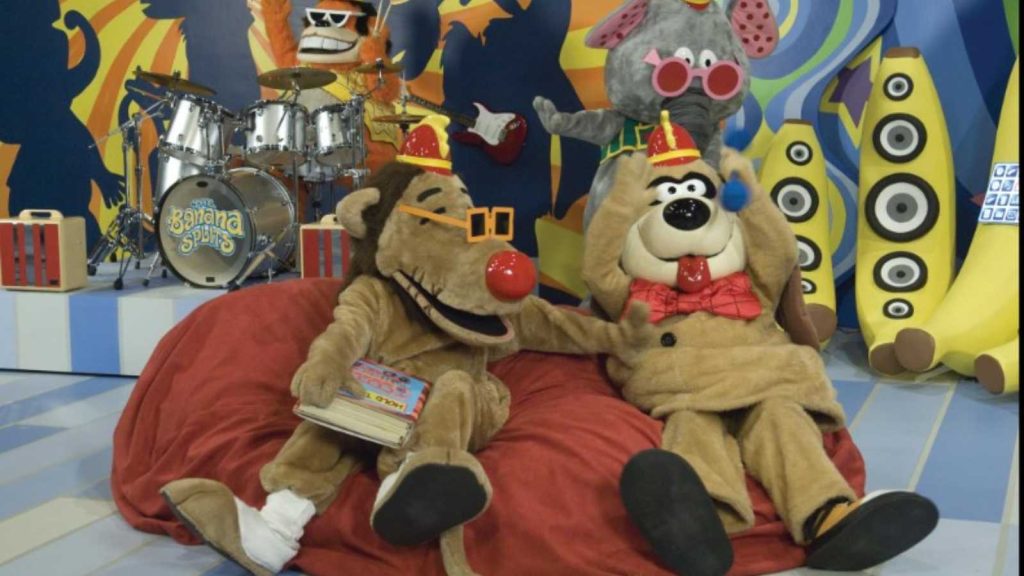
This unusual Saturday morning show blended live-action characters, musical performances, and animated segments.
The Banana Splits—four colorful animal mascots—hosted the show while introducing various cartoons and comedic sketches. Its playful theme song and quirky format made it unforgettable for many kids.
George of the Jungle
A playful parody of Tarzan-style jungle adventures, George of the Jungle followed a well-meaning but clumsy hero swinging through the trees.
Created by Jay Ward, the show was known for its clever narrator jokes and its famously catchy theme song.
Underdog
Underdog told the story of a humble shoeshine dog who secretly transformed into a superhero whenever danger appeared.
With his rhyming dialogue and heroic theme song, Underdog became one of the most recognizable animated heroes of Saturday morning television.
Batman
While not strictly an animated series from the era, the popularity of the 1960s Batman television show inspired several animated adaptations and reruns that became part of many Saturday morning lineups.
The colorful villains, dramatic action scenes, and memorable “Pow!” and “Bam!” graphics made Batman an unforgettable part of pop culture during that time.