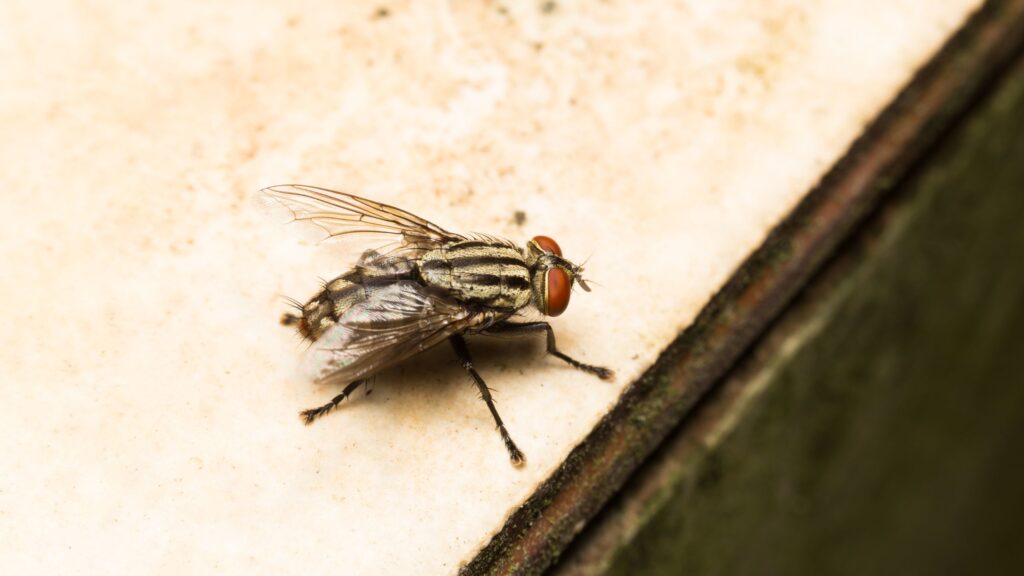
Few things can ruin a summer afternoon faster than a swarm of flies hovering around your food, drinks, and outdoor gatherings. They seem to appear the moment you fire up the grill, set out a picnic spread, or leave the back door open for a few minutes.
Beyond being annoying, flies can also carry bacteria from garbage, pet waste, and other unsanitary places onto surfaces where we prepare and eat food. Fortunately, there are plenty of simple and natural ways to make your home and yard less attractive to them.
Basil
Basil is one of the most useful herbs you can grow during the summer, and it may help keep flies away at the same time. The plant produces a strong aroma that many flying insects find unappealing, making it a popular choice for patios, decks, and outdoor dining spaces.
Try growing basil in containers near seating areas, windows, or frequently used doorways. Not only can it help discourage flies from lingering nearby, but you’ll also have fresh basil ready whenever you need it for salads, pasta dishes, and summer recipes.
Lavender
Lavender is prized for its beautiful flowers and calming fragrance, but insects tend to have a very different opinion of its scent. The aromatic oils found in lavender are commonly used to help deter flies, mosquitoes, moths, and other household pests.
Plant lavender along walkways, near patios, or around outdoor entertaining spaces where flies tend to gather. Dried lavender bundles can also be brought indoors to add fragrance while helping discourage unwanted insects from settling inside.
Cloves and Lemons
This old-fashioned fly-repelling trick has been passed down for generations because it’s simple, inexpensive, and surprisingly effective. By pressing whole cloves into a cut lemon, you create a powerful scent combination that flies often avoid.
Place several clove-studded lemon halves on outdoor dining tables, picnic setups, or kitchen counters. They’re decorative, easy to make, and can help keep flies away during meals without the need for sprays or chemicals.
Marigolds
Marigolds do much more than add bright color to flower beds and containers. Their distinctive scent has long made them a favorite companion plant for gardeners looking to reduce insect activity around their homes and gardens.
Plant marigolds near vegetable gardens, porches, windows, and entryways to create a colorful barrier against flies and other pests. As an added bonus, they attract pollinators that help support a healthier garden ecosystem.
Fans
One of the easiest ways to keep flies away is simply to create airflow. Flies are surprisingly weak fliers and often struggle to navigate strong or consistent breezes.
A portable fan positioned near a patio table or outdoor seating area can dramatically reduce the number of flies hovering around food and drinks. It also helps guests stay cool during hot summer afternoons, making it a win-win solution.
Rosemary
Rosemary is another fragrant herb that can pull double duty in the garden. While it’s widely appreciated for cooking, its strong aroma may also help discourage flies and mosquitoes from hanging around nearby.
Grow rosemary in containers near outdoor seating areas or place fresh cuttings around windows and doors. The plant is drought tolerant, attractive, and easy to maintain once established.
Citronella
Most people associate citronella with mosquito control, but it may also help repel flies and other flying insects. The strong scent produced by citronella oil makes outdoor spaces less appealing to many common pests.
Citronella candles, torches, and oil burners are popular additions to patios, decks, and porches during summer gatherings. While they won’t eliminate flies completely, they can help reduce the number buzzing around your outdoor space.
Garlic
Garlic’s powerful smell doesn’t just affect vampires in folklore—it can also discourage certain insects. Many gardeners use garlic as a natural pest deterrent in both vegetable gardens and outdoor living areas.
Crushed garlic cloves can be placed around seating spaces, or you can make a simple garlic spray by steeping garlic in water and applying it around problem areas. The odor may be strong at first, but many people find the results worth it.
Homemade Essential Oil Spray
A homemade essential oil spray can be a useful addition to your summer fly-fighting toolkit. Oils such as eucalyptus, citronella, lavender, peppermint, and tea tree are commonly used because of their strong scents.
Mix a few drops of your preferred oils with water and a small amount of witch hazel or rubbing alcohol in a spray bottle. Lightly mist around doorways, windows, patios, and other areas where flies tend to gather. Just be sure to test surfaces first, as some oils may leave stains.
Water-Filled Plastic Bags
You’ve probably seen clear plastic bags filled with water hanging outside restaurants, barns, or porches. While opinions vary on exactly how effective they are, many people swear by this simple trick.
The theory is that light refracting through the water interferes with a fly’s vision, making the area less appealing. Since it’s inexpensive and easy to try, many homeowners consider it worth experimenting with during peak fly season.
Geraniums
Certain varieties of geraniums contain naturally occurring compounds that are often used in insect-repelling products. Their bright flowers make them attractive additions to patios, window boxes, and container gardens.
Placing geraniums near doors, windows, and outdoor gathering areas may help reduce fly activity while adding vibrant color to your landscape. They’re particularly useful for homeowners looking for attractive pest-control solutions.
Apple Cider Vinegar Trap
Sometimes the best way to deal with flies is to trap them directly. An apple cider vinegar trap is one of the easiest homemade solutions and requires only a few ingredients.
Fill a shallow bowl with apple cider vinegar and add a few drops of dish soap. The vinegar attracts flies, while the soap breaks the liquid’s surface tension and prevents them from escaping once they land.
Eucalyptus
Eucalyptus oil is well known for its refreshing scent and is often found in natural pest-control products. Many people use it indoors to help discourage flies while also freshening the air.
Add a few drops to a diffuser near kitchens, mudrooms, or entryways where flies commonly appear. The strong aroma may help make those spaces less inviting to unwanted insects.
Catnip
Catnip isn’t just popular with cats. The plant contains a natural compound called nepetalactone that has been shown to repel various insects, including flies and mosquitoes.
It’s easy to grow in garden beds or containers and can be harvested and dried for indoor use. Just don’t be surprised if neighborhood cats suddenly become frequent visitors to your yard.
Homemade Fly-Repellent Lotion
If flies constantly bother you while gardening, hiking, or spending time outdoors, a homemade repellent lotion may help. Many people combine a carrier oil, such as coconut oil, with a few drops of essential oils like eucalyptus, peppermint, or lavender.
Applied sparingly to exposed skin, the mixture can help discourage flies from landing on you. Always perform a patch test first to check for sensitivity before applying any homemade skin product more broadly.
Vanilla
Vanilla is one of the more pleasant scents used in natural fly deterrents. While it won’t completely eliminate insects, many people find that vanilla-scented candles help reduce fly activity around patios and outdoor dining areas.
For even better results, some homeowners combine vanilla candles with citronella products. Together, they can create a more enjoyable outdoor atmosphere while helping keep flies from becoming the center of attention.
Other Topics You Might Like
- 13 Gardening Antiques Collectors Love and Often Pay Up For
- I Stopped Buying Fertilizers After Years of Gardening and Started Using This Instead
- Some of the Best Gardening Tips I Ever Got That Break All the Rules
- 9 Vintage Gardening Tools Hiding in Grandma’s Potting Shed— Some Could Be Worth a Small Fortune