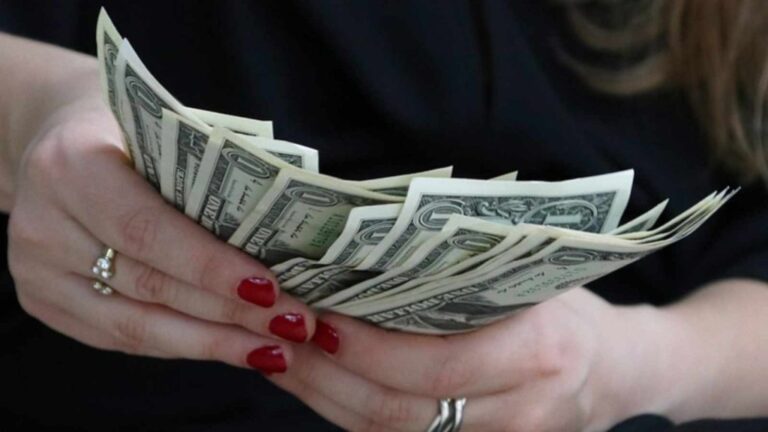
If you’ve ever looked at your bank balance and wondered where all your money went, you’re far from the only one. In many cases, staying broke isn’t tied to a single expensive purchase or major financial setback. It’s the result of small habits repeated day after day, spending that feels harmless in the moment but adds up over time.
Living paycheck to paycheck isn’t always about income alone. Money often slips away through routine purchases, forgotten subscriptions, convenience spending, and little extras that barely seem noticeable on their own. Months later, those habits can leave you wondering why your savings haven’t grown.
A different financial future often starts with paying attention to the everyday choices that affect your wallet. Here are some of the habits that could be keeping you broke this year.

Relying Too Much on Convenience Foods
Pre-packaged snacks, takeout meals, and food delivery apps save time, but they cost significantly more than cooking at home. Even a few extra takeout meals per week can add up to hundreds (or thousands) over the year. Planning simple meals and cooking in batches can quickly cut food costs.
Making Impulse Purchases
Grabbing items at checkout, buying clothes on a whim, or clicking “add to cart” without thinking may not seem like a big deal. But repeated impulse purchases can quietly wreck a budget. Creating a list before shopping and sticking to it makes a real difference.
Keeping Subscriptions You Don’t Use
Streaming services, apps, gym memberships, subscription boxes, they’re easy to sign up for and just as easy to forget about. Even $10 to $20 here and there adds up over time. Review your monthly statements and cancel anything you’re not actively using.
Carrying High-Interest Credit Card Balances
Credit card interest compounds quickly. If you’re only making minimum payments, you’re mostly paying interest, not reducing your balance. Paying off cards aggressively or switching to lower-interest options can stop this cycle.
Using Credit for Everyday Spending
Racking up daily expenses on credit without a clear payoff plan can lead to long-term debt. If you can’t pay your balance in full each month, it’s time to reassess how you’re using credit.
Smoking or Vaping
Beyond the health impact, smoking and vaping are expensive habits. The cost of cigarettes, vape pods, and accessories can easily total thousands per year.
Drinking Frequently
Regular bar tabs, restaurant drinks, or stocking premium alcohol add up. Scaling back even slightly can free up a noticeable amount of money.
Always Buying Name Brands
Brand-name products often cost more without offering significant differences. Switching to store brands for groceries, household items, and medications can lower monthly expenses without sacrificing quality.
Eating Out Too Often
Dining out regularly, especially with tips and delivery fees, costs far more than cooking at home. Even reducing restaurant meals by half can significantly improve your budget.
Ignoring Insurance Shopping
Many people renew insurance policies year after year without comparing rates. Taking time to shop around can lower premiums on car, home, or renters insurance.
Skipping Car Maintenance
Avoiding routine maintenance, such as oil changes and tire rotations, can lead to larger repair bills later. Preventive care costs less than major fixes.
Paying Late Fees
Late payments on credit cards, utilities, and other bills lead to unnecessary penalties. Setting up automatic payments or calendar reminders can prevent wasted money on avoidable fees.
Overspending on Holidays and Gifts
It’s easy to overspend during holidays and special occasions. Setting a realistic budget ahead of time prevents regret later.
Financing Gadgets You Don’t Need
Upgrading to the newest phone, tablet, or tech device every year keeps you in a spending cycle. Keeping devices longer saves more than most people realize.
Taking Out Payday Loans
Payday loans may seem like a quick fix, but their high fees and interest rates can create a long-term debt trap. Building even a small emergency fund helps reduce reliance on short-term, high-cost borrowing.