Butterflies can instantly make a garden feel more alive, and monarchs in particular are hard to miss. Their bright orange wings and slow, steady movement from flower to flower add a kind of energy that makes any outdoor space feel more vibrant.
If you want to see more monarch butterflies in your yard, the plants you grow matter. Monarchs are drawn to gardens that offer reliable nectar sources, bright blooms, and a variety of flowers they can return to throughout the season. And even more importantly, they rely on specific plants like milkweed to lay their eggs and support their life cycle.
Choosing the right mix of plants can turn a simple garden into a space that feels busy, colorful, and full of life. If you’re hoping to attract more monarchs, here are some plants worth adding.
Bee Balm
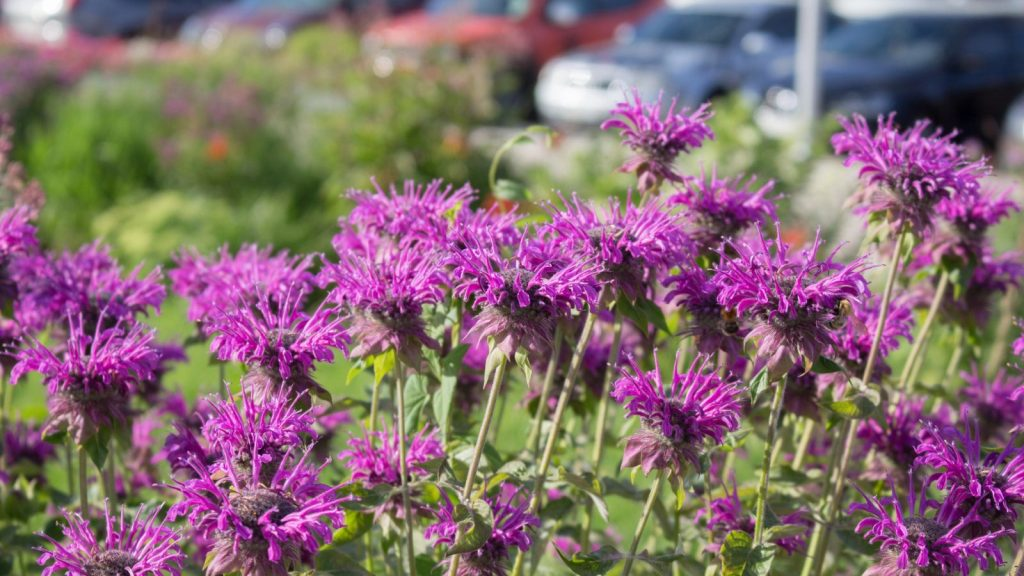
Bee balm is a strong pollinator plant that attracts not just butterflies, but bees and hummingbirds too. Its bold, spiky blooms make it easy to spot and add a lot of color to the garden.
Since it spreads easily, it can fill in space over time and create a more natural, full-looking planting area.
Sage
Sage adds texture and a subtle pop of color while also serving as a nectar source for butterflies. It’s a practical plant that fits well in sunny gardens and requires little upkeep.
It’s a good option if you want something that’s both useful and visually appealing.
Black-Eyed Susan
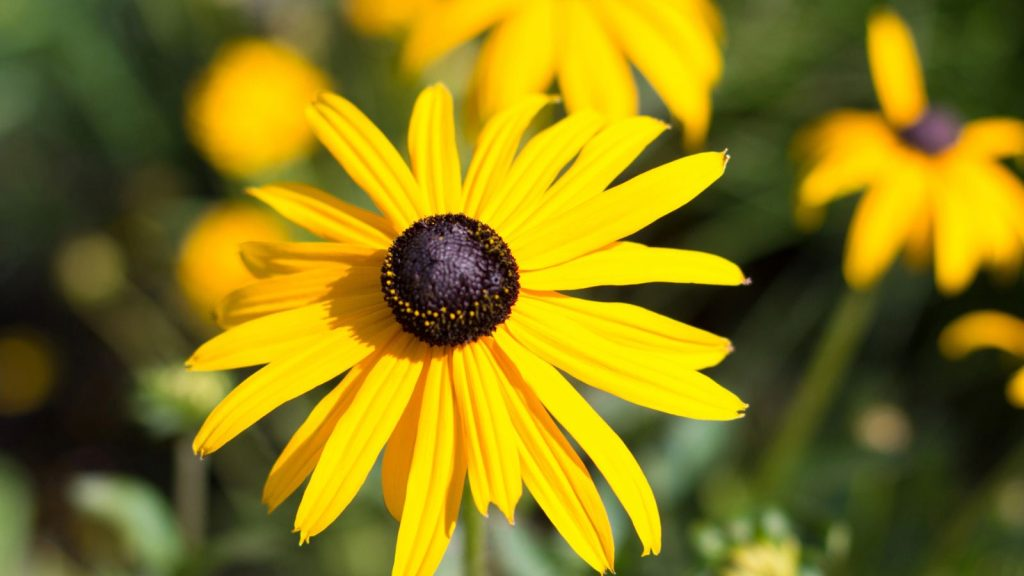
Black-Eyed Susans are known for their bright yellow flowers and ability to thrive in different conditions. Their open blooms make them accessible to butterflies, including monarchs.
They’re hardy, dependable, and a great way to add long-lasting color to your yard.
Blazing Star
Blazing star stands out with its tall spikes of purple flowers that attract a variety of pollinators. Monarchs are especially drawn to these nectar-rich blooms.
It prefers sunny areas and adds height and structure to your garden while still being functional for butterflies.
Related: If a fence falls between neighbors in California, who is responsible for repairs?
Shasta Daisy
Shasta daisies bring a clean, classic look with their white petals and yellow centers. While simple, they still help support pollinators and blend well with other butterfly-friendly plants.
They’re easy to grow and help balance out more colorful or bold flowers in the garden.
Butterfly Bush
As the name suggests, the butterfly bush is known for attracting butterflies. Its long flower clusters provide plenty of nectar, making it a common choice for butterfly gardens.
It blooms heavily and comes in a range of colors, helping draw in monarchs and other pollinators throughout the season.
Geranium
Geraniums are versatile and can be grown in both garden beds and containers. They bloom often and add steady color to your outdoor space.
While not the strongest monarch plant on their own, they help round out a butterfly-friendly garden.
Goldenrod
Goldenrod is especially helpful later in the season when other flowers start to fade. Its bright yellow blooms provide an important nectar source for monarchs during migration.
It’s easy to grow and adds a more natural, wildflower feel to your yard.
Milkweed
Milkweed is essential if you want to attract monarch butterflies. It’s the plant they rely on to lay their eggs, and it’s the only food source for monarch caterpillars.
It also produces flowers that provide nectar for adult butterflies, making it one of the most important plants you can grow.
Zinnias
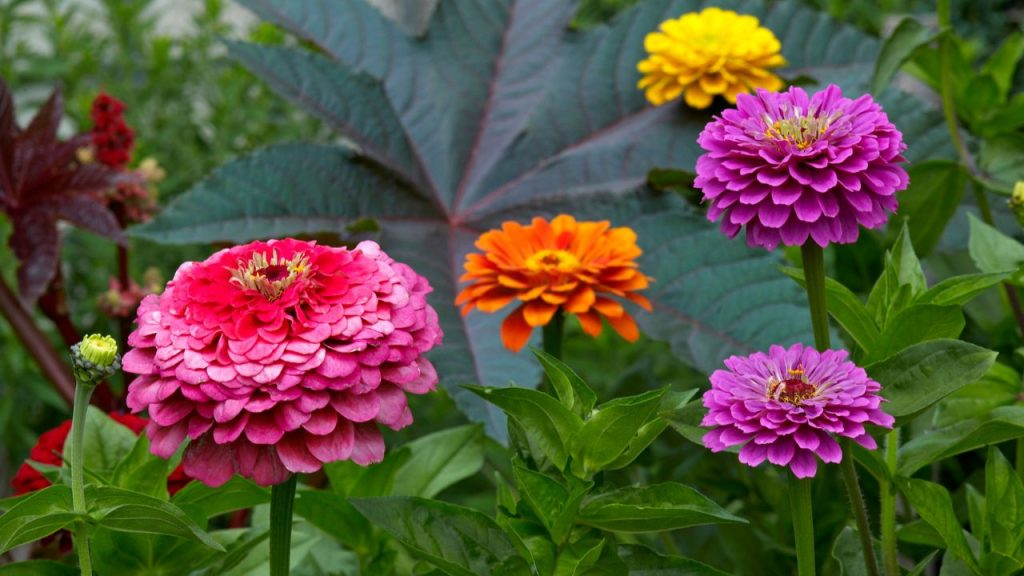
Zinnias are among the easiest flowers to grow and a favorite of butterflies. They come in a wide range of colors and bloom all summer long.
Their long bloom time makes them a dependable nectar source, helping keep butterflies coming back.
Phlox
Phlox produces clusters of flowers that are rich in nectar and attractive to butterflies. It adds a soft, full look to garden beds while still serving a practical purpose.
With the right variety, phlox can help extend the bloom season and keep your garden active longer.
Echinacea
Echinacea is a tough, sun-loving plant that’s known for its nectar-rich flowers. Its open shape makes it easy for monarchs to land and feed, and it blooms for a long stretch of the season.
It’s also low-maintenance once established, making it a reliable choice for adding both color and pollinator value to your garden.
Lavender
Lavender brings both fragrance and color to your yard, and butterflies are naturally drawn to it. Its soft purple blooms stand out and provide a steady nectar source during the growing season.
It thrives in sunny spots and doesn’t need much water, which makes it a great option if you want something simple to care for.
Marigold
Marigolds are bright, cheerful, and easy to grow. While they’re often planted for pest control, they can also help attract butterflies when included in a mixed flower bed.
They do well in full sun and bloom consistently, which helps keep your garden looking full and active.