For many Americans, Goodwill has long been synonymous with affordable shopping. It was the place to find budget-friendly clothing, inexpensive household goods, and the occasional unexpected gem, all while supporting a charitable mission.
But according to many longtime shoppers, the Goodwill experience isn’t what it used to be. In a recent online discussion, customers shared frustrations about rising prices, overcrowded racks, and the growing presence of low-quality fast-fashion brands. While many still enjoy shopping secondhand, some feel Goodwill has drifted away from the role that made it a favorite among bargain hunters in the first place.
From donated items carrying surprisingly high price tags to concerns about valuable merchandise being routed to online auctions, here are some of the biggest complaints shoppers have about Goodwill today.
Prices Keep Climbing
The most common criticism centered around pricing. Many shoppers said they are seeing used clothing, furniture, and household goods priced so high that buying new sometimes feels like the better option.
Several commenters pointed out that Goodwill receives its inventory through donations, which makes it difficult to understand why some items are priced close to retail. Others said they have become much more selective about what they buy because the savings simply aren’t what they once were.
Fast Fashion Is Everywhere
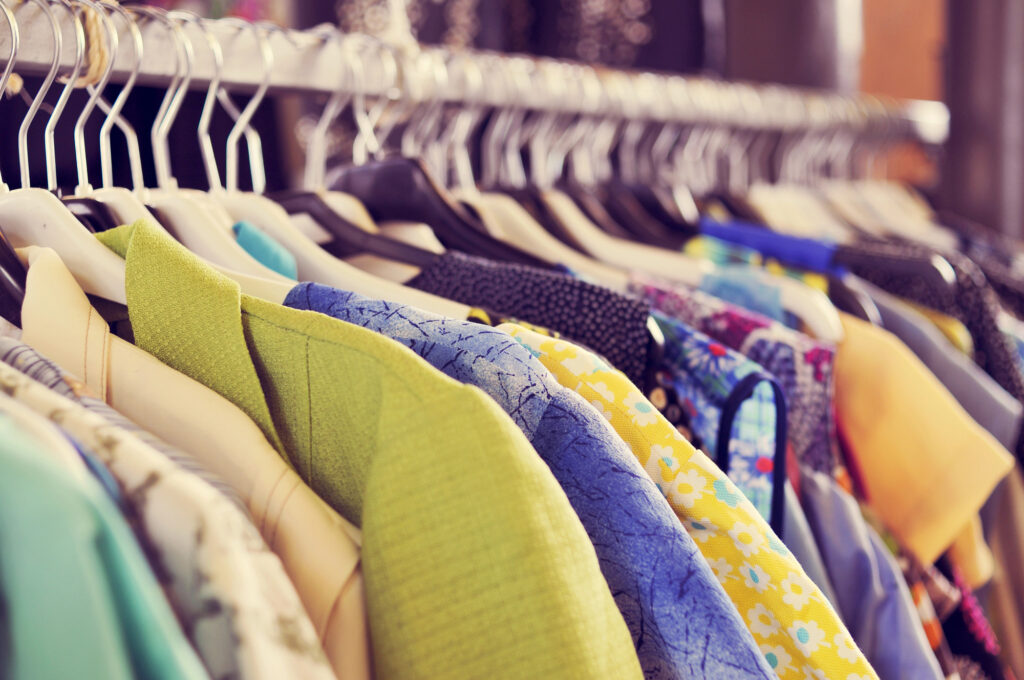
Goodwill racks are increasingly filled with low-cost fast-fashion brands such as Shein, Temu, and other online retailers. The result is less selection of durable, higher-quality clothing and more time spent sorting through garments that often show signs of wear after only a short period of use.
Related: Fashion Trends From the Past That We Hope Never Come Back in Style
The Best Finds Never Reach the Sales Floor
Goodwill’s online marketplace has become a point of frustration for many longtime customers. Valuable collectibles, vintage pieces, jewelry, and brand-name items are often routed to online auctions, leaving local shoppers feeling like they’re browsing what’s left behind rather than the best donations.
Related: Online Thrifting Is Booming—and Goodwill’s Online Marketplace Is Proof
Pricing Feels Disconnected From Reality
Many locations appear to price merchandise based on online listings rather than actual selling prices. As a result, secondhand items often sit on shelves for weeks or months because customers aren’t willing to pay prices that feel too close to retail.
Overcrowded Racks Make Shopping Difficult
Packed clothing racks, overflowing shelves, and crowded aisles make it difficult to browse efficiently. When shoppers can’t easily move hangers or inspect items, the experience quickly becomes frustrating rather than enjoyable.
Smaller Thrift Stores Are Winning Over Some Shoppers
Independent thrift stores, church-run shops, and community nonprofits are earning praise for lower prices, cleaner stores, and faster inventory turnover. Many continue to focus on affordability and community service rather than maximizing revenue from individual items.
Customers Want Goodwill to Focus on Moving Inventory
One message appeared repeatedly throughout the discussion: price merchandise to sell. Lower prices increase turnover, reduce clutter, and keep stores stocked with fresh inventory rather than allowing donated items to sit on shelves indefinitely.
The Experience Doesn’t Feel the Same
For many longtime shoppers, Goodwill no longer feels like the affordable destination it once was. Higher prices, fewer standout finds, increased competition from resellers, and racks filled with fast fashion have changed the experience considerably over the past decade.
Some Shoppers Are Looking Elsewhere
As frustrations grow, some shoppers say they’re spending less time at Goodwill and more time exploring alternatives. Estate sales, garage sales, church rummage sales, consignment stores, Facebook Marketplace, and community-run thrift shops were all mentioned as places where shoppers feel they can still find quality items at affordable prices.