Fashion is all about creativity and self-expression, but not every trend deserves a second chance. While some styles return years later looking fresh and modern, others remind us that fashion can occasionally take a very questionable turn. What once felt bold or exciting can look downright confusing when we look back.
Over the decades, certain trends pushed the limits of practicality, comfort, or common sense. From awkward silhouettes to accessories that seemed impossible to style, some fashion moments left people wondering what everyone was thinking. Here’s a look at several fashion trends from the past that many people would happily leave in the history books.
Low-Rise Jeans
Low-rise jeans dominated early 2000s fashion and became a defining style of the era. Sitting extremely low on the hips, they often found even simple movements like sitting or bending down challenging. Many people spent more time adjusting their jeans than actually enjoying the outfit.
While the look was popular among celebrities and pop stars at the time, it rarely offered comfort or practicality. High-waisted and mid-rise jeans have since returned as far more flattering and wearable alternatives.
Velour Tracksuits
Velour tracksuits once became a symbol of casual luxury in the early 2000s. Matching hoodies and sweatpants made from plush velour fabric were worn everywhere from shopping malls to airports. Some even featured bold logos or phrases across the back.
While they were undeniably comfortable, the head-to-toe matching look often felt more like loungewear than fashion. Today’s athleisure styles offer a more balanced blend of comfort and style without the overly flashy aesthetic.
Shoulder Pads
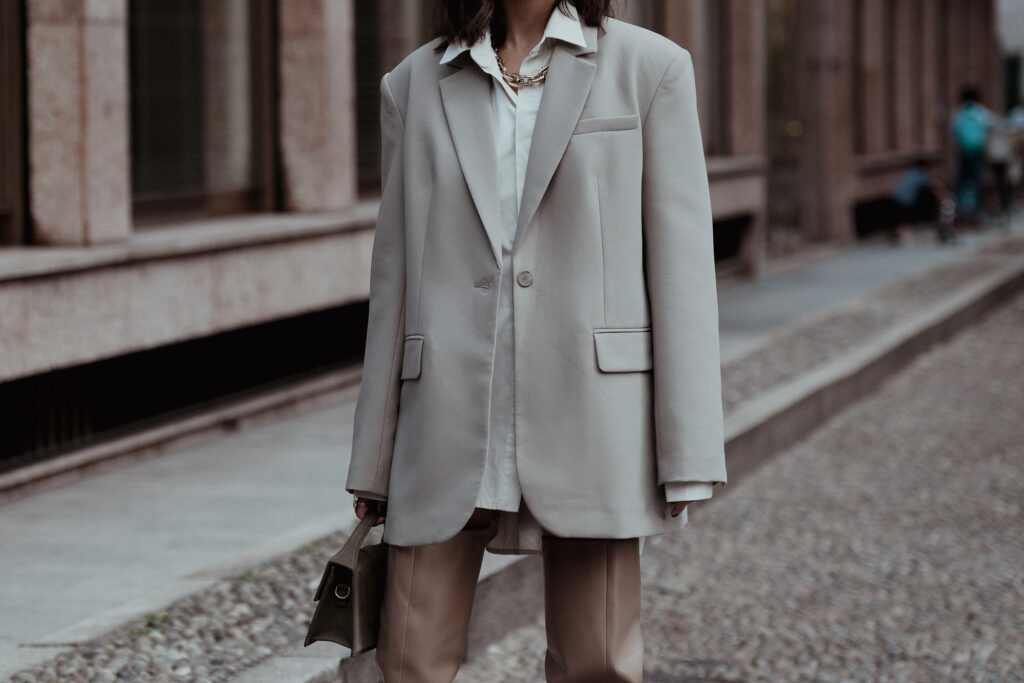
Shoulder pads were everywhere during the 1980s, especially in suits and formal jackets. They were designed to create a powerful silhouette that symbolized confidence and authority. However, the exaggerated shape often made people look boxy rather than stylish.
While some structured tailoring still exists today, modern designs use subtle shaping rather than oversized padding. The extreme shoulder look has mostly remained a symbol of the bold fashion experiments of the 80s.
Related: 1970s Trends That Changed Fashion, Music, and Redefined Self-Expression
Platform Flip Flops
Platform flip flops were a defining shoe trend of the late 1990s and early 2000s. The thick foam soles promised extra height while maintaining the laid-back feel of beach footwear. Unfortunately, the bulky design made them awkward to walk in and surprisingly easy to trip over.
Many people remember wobbling around sidewalks or struggling to keep their balance. While they may have looked trendy at the time, the combination of instability and questionable style makes this one trend people are happy to leave behind.
Rhinestone-Encrusted Denim
Denim is known for its timeless versatility, but there was a moment when it became covered in rhinestones, studs, and glittering embellishments. Jeans, jackets, and bags sparkled under the light, turning everyday outfits into something resembling stage costumes.
While a hint of sparkle can be fun, excessive bedazzling often pushes outfits into over-the-top territory. Today’s denim trends lean toward clean lines and minimal embellishment, letting the classic fabric speak for itself.
Bleached Spiky Hair
The early 2000s were known for bold and sometimes questionable hair trends. One of the most memorable was bleached spiky hair, often created with heavy styling gel and bright highlights. The look became especially popular among boy bands and teenage trend followers.
While it was meant to appear edgy and rebellious, it often ended up looking overly styled or unnatural. Hair trends today tend to focus more on natural texture and subtle color rather than dramatic spikes.
Overalls with One Strap Down
Overalls themselves have always been practical and comfortable, but the one-strap-down trend tried to give them a rebellious twist. The look involved leaving one strap unfastened to appear casual or carefree. Unfortunately, it often came across as unfinished rather than fashionable.
Modern overalls have returned with cleaner styling and more polished fits. Wearing both straps properly turns them into a stylish vintage-inspired outfit rather than an awkward fashion experiment.
Sagging Pants
Sagging pants became associated with certain streetwear trends during the 1990s and early 2000s. The style involved wearing pants far below the waist, often revealing layers of clothing underneath. While some saw it as a statement of individuality, the look was widely criticized for being impractical.
Walking comfortably while constantly adjusting loose pants was hardly convenient. Today’s fashion leans more toward relaxed fits that still allow for comfort without the constant need to pull them up.
Hobble Skirts
Hobble skirts appeared in the early 1900s and quickly gained attention for their dramatic silhouette. The design was so narrow at the bottom that it limited how far a person could step. Instead of graceful movement, many women were forced to take tiny steps just to get around.
The restrictive design quickly proved inconvenient and even dangerous. Fashion has thankfully evolved to focus on both style and mobility, making hobble skirts more of a historical curiosity than a trend worth reviving.
Bucket Hats
Bucket hats were once a staple of casual streetwear and outdoor fashion. However, the soft, rounded shape often gave the impression of wearing a fabric bucket on your head. While some people pulled off the look effortlessly, others struggled to make it feel stylish.
Despite occasional revivals, the bucket hat remains a divisive accessory. Many still associate it with fishing trips rather than fashion statements.
Mutton Chop Sideburns
Mutton chop sideburns once symbolized rugged masculinity, but their dramatic shape made them difficult to wear convincingly. The style features thick facial hair running along the sides of the face while leaving the chin clean-shaven.
What was meant to look bold often ended up looking theatrical or outdated. Modern grooming trends have largely shifted toward more balanced, subtle facial hair styles.
Bell Bottoms
Bell-bottoms became a symbol of 1970s fashion, featuring dramatically flared pant legs. While the style looked striking, the extra fabric often dragged on the ground or got caught on objects.
Although modern versions occasionally appear in fashion cycles, the exaggerated flares of the past are best remembered as a bold experiment rather than a practical everyday style.
The Mullet
The mullet hairstyle famously combined short hair in the front with long hair in the back. The look was once associated with rock stars and rebellious fashion statements.
Although it occasionally reappears in ironic revivals, the mullet remains one of the most controversial hairstyles ever created.
Ugg Boots
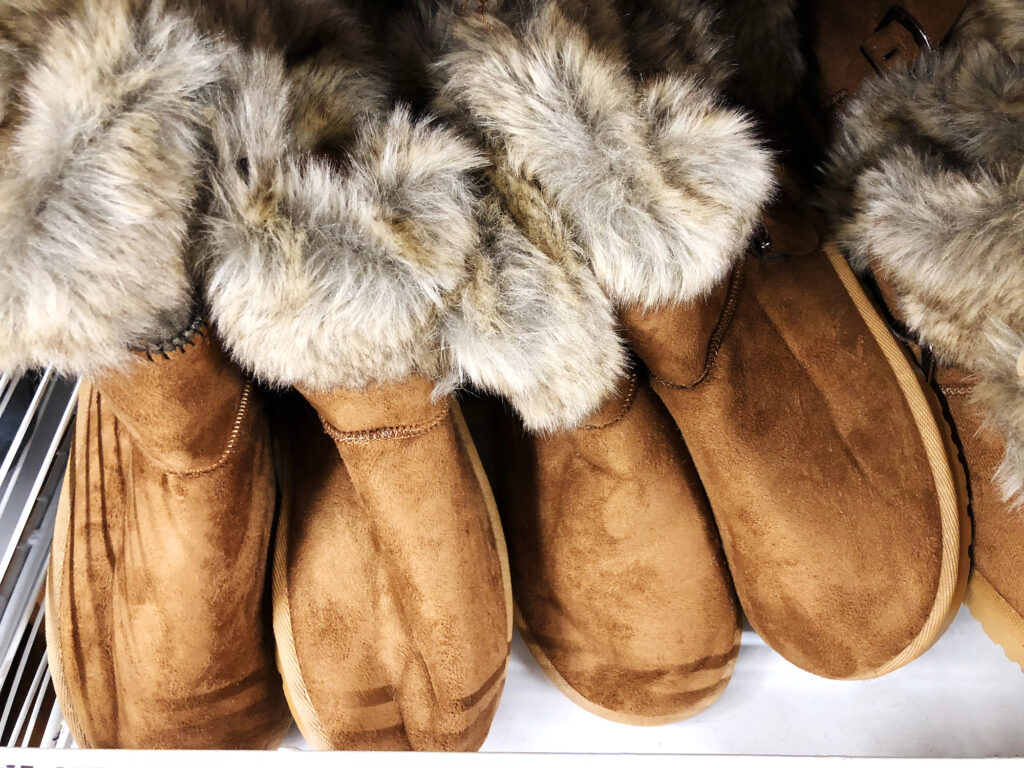
Ugg boots gained enormous popularity during the mid-2000s. The soft sheepskin lining made them extremely comfortable, almost like wearing slippers outdoors.
While cozy, their bulky shape and limited weather resistance made them difficult to style with many outfits. Despite periodic returns each winter, opinions about their style remain divided.
“Juicy” Text Pants
The early 2000s also saw the rise of sweatpants with large words printed across the back. Brands like Juicy Couture made the trend instantly recognizable.
While playful at the time, the look quickly became awkward and distracting. Many people now view it as one of the decade’s more embarrassing fashion experiments.
Corsets
Corsets were once considered essential for achieving the fashionable hourglass figure. However, they often required extremely tight lacing that could restrict breathing and movement.
Historical accounts even describe fainting or physical discomfort caused by prolonged wear. Thankfully, modern fashion has moved toward styles that prioritize comfort and health.
Neon Leggings
Bright neon leggings were a staple in certain fitness and casual fashion circles for a while. Electric shades of pink, green, and yellow turned everyday outfits into attention-grabbing displays. While the colors were impossible to ignore, they were also incredibly difficult to style.
Pairing neon leggings with the rest of an outfit often felt like solving a complicated puzzle. Modern activewear now focuses more on sleek designs and versatile colors that are easier to mix and match.