Painting your home’s exterior is one of those projects where the prep work matters just as much as the paint itself. A fresh coat can make worn siding look cleaner, cover faded areas, and add a layer of protection against sun, rain, and changing temperatures. Still, the job can become frustrating fast if you start without the supplies needed to clean, scrape, reach high spots, and keep the paint looking even.
A brush and a paint can are only part of the setup. You may need tools for washing the surface, removing loose paint, patching small areas, protecting windows and landscaping, and working safely from a ladder. Having everything nearby before you begin means fewer interruptions once the painting starts. Here are 14 tools that can help you get the job done.
Quality Paintbrushes
Good paintbrushes are essential for detail work. Angled brushes are especially helpful for cutting in around windows, trim, and corners where rollers can’t reach.
For best results, choose brushes designed for the type of paint you’re using. Synthetic bristles work well with latex paints, while natural bristles are better suited for oil-based paints.
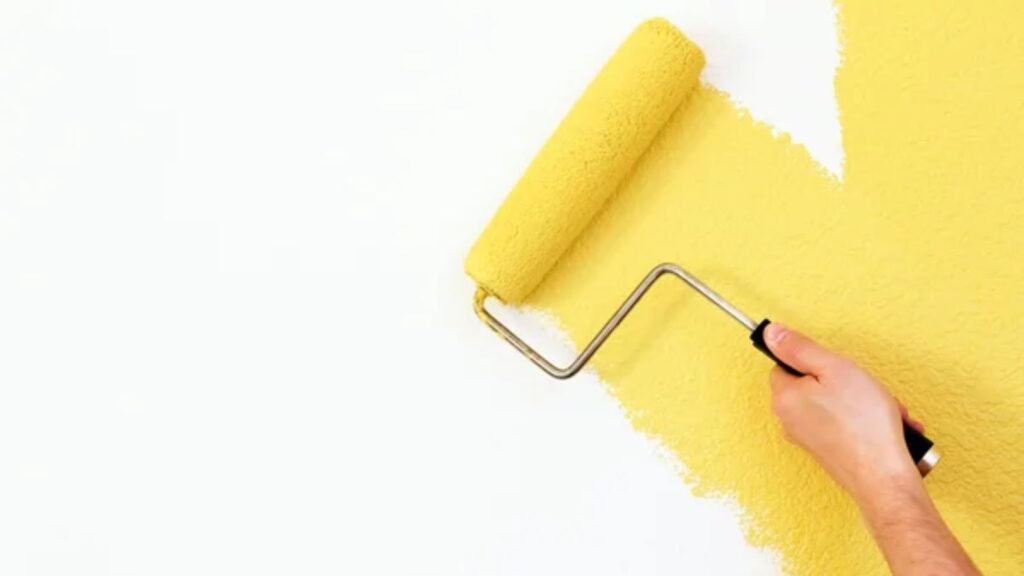
Paint Rollers and Covers
Paint rollers are ideal for covering large sections of siding quickly. They allow you to spread paint evenly and speed up the process compared to using a brush alone.
Different roller covers are designed for different surfaces. Short naps work well on smooth siding, while longer naps are better for rough surfaces like brick or stucco.
Extension Poles
An extension pole attaches to your paint roller, helping you reach higher areas without constantly climbing a ladder.
They’re especially useful for painting tall walls or wide exterior sections, making the job faster and less physically demanding.
Drop Cloths
Exterior painting can get messy, so drop cloths are important for protecting landscaping, decks, and walkways.
Heavy canvas cloths work best because they stay in place and absorb paint drips better than plastic sheets.
Painter’s Tape
Painter’s tape helps create clean edges around trim, windows, and doors. It keeps paint from bleeding into areas where you don’t want it.
Using high-quality painter’s tape also makes it easier to remove later without leaving sticky residue behind.
Paint Scraper
Before applying new paint, it’s important to remove loose or peeling paint from the surface. A paint scraper helps strip away old paint so the new coat adheres properly and lasts longer.
Wire Brush
A wire brush helps clean rough surfaces and remove stubborn debris, rust, or paint flakes. It’s particularly useful for prepping metal areas such as railings, gutters, and hardware before painting.
Caulking Gun
Small cracks and gaps around trim or siding should be sealed before painting. A caulking gun lets you apply exterior caulk easily, helping protect your home from moisture and creating a smoother surface for paint.
Ladder
A sturdy ladder is one of the most important tools for exterior painting. It allows you to safely reach upper walls, trim, and other high areas. Choose a ladder tall enough for the job and with non-slip feet for better stability.
Paint Sprayer
For large surfaces, a paint sprayer can save a lot of time. It applies paint quickly and creates a smooth, even coat across siding and fences.
Sprayers are especially helpful for textured surfaces or areas with detailed trim.
Sandpaper and Sanding Block
Sanding helps smooth rough areas and prepares the surface for new paint. This step improves paint adhesion and creates a more even finish.
A sanding block helps distribute pressure evenly, making it easier to sand larger areas.
Mixing Sticks and Paint Trays
Paint should always be mixed well before use to ensure consistent color and texture. Mixing sticks help blend paint thoroughly, while paint trays make it easy to load rollers evenly.
Protective Gear
Exterior painting often involves dust, paint splatter, and fumes, so protective gear is important. Safety goggles, gloves, and a dust mask can help protect your eyes, hands, and lungs while you work.
Bucket and Paint Screen
A five-gallon bucket paired with a paint screen is a popular setup for larger painting jobs. The screen removes excess paint from the roller and helps distribute paint evenly, making the process faster and less messy.