If you enjoy making fresh juice at home, your juicer probably gets plenty of use. After a while, it’s easy to start thinking it can handle almost anything you toss into it.
The truth is, some foods just aren’t made for juicing. Some don’t contain enough liquid, others can clog the machine, and a few may even damage the motor or other parts. Picking the right ingredients doesn’t just give you better juice, it also helps keep your juicer working properly for years.
Before you start your next batch, keep these foods out of the juicer.
Avocados
Avocados are packed with healthy fats, but they contain very little juice. Instead of producing a drink, they turn into a thick, creamy paste that can clog the juicer. If you want to use avocado, it’s much better suited for smoothies.
Fibrous Vegetables
Vegetables like broccoli, cauliflower, cabbage, celery, and large amounts of kale or spinach are loaded with fiber. Many juicers struggle to process them because they produce long, stringy pulp while yielding very little juice.
If you want to include leafy greens, use them in smaller amounts and combine them with juicier fruits or vegetables.
Coconut Flesh
Fresh coconut water juices just fine, but the white flesh is another story. It’s dry, dense, and full of fiber, so it usually creates thick pulp instead of liquid. That pulp can quickly jam the machine.
Citrus Peels
Throwing whole oranges, lemons, or limes into the juicer may seem like a shortcut, but the peels can make your juice unpleasantly bitter. Citrus rinds also contain oils that may upset some people’s stomachs.
Peel the fruit first and save the rinds for another use.
Bananas
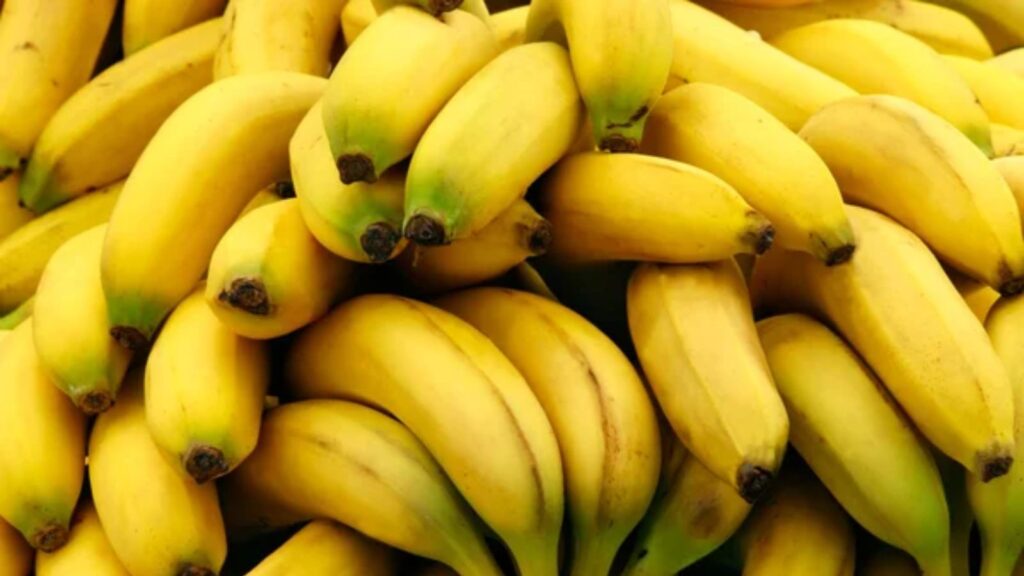
Bananas are perfect for smoothies but don’t belong in a juicer. Their soft, starchy texture creates a thick mash instead of juice, making cleanup harder than it needs to be.
Pineapple
Pineapple contains plenty of juice, but removing all the fiber leaves you with a drink that’s very high in natural sugar. Many people prefer blending pineapple so they keep the fiber instead of separating it.
Figs
Fresh figs don’t release much liquid during juicing. Most of the fruit ends up as thick pulp, making them an inefficient choice for the machine.
Rhubarb
Rhubarb stalks are very fibrous and don’t break down easily. They often clog the juicer while producing very little juice, making the effort hardly worthwhile.
Frozen Fruit
Frozen fruit is simply too hard for most juicers. Feeding it into the machine can strain the motor or damage internal parts. Let frozen fruit thaw for a few minutes before using it, or blend it into a smoothie instead.
Ice
Juicers aren’t built to crush ice. Hard cubes can dull blades, crack components, or put unnecessary strain on the motor. If you want a colder drink, chill the ingredients ahead of time or add ice after the juice is finished.
Whole Spices
Whole spices like cloves, cinnamon sticks, and nutmeg are too hard for most juicers. They won’t break down properly and can wear down the machine over time. Grind them separately if you want to add their flavor.
Nuts
Nuts don’t contain juice, so they won’t give you the result you’re expecting. Instead, they’ll turn into a thick paste that can clog the juicer. If you’re making almond milk or another nut-based drink, a blender is the better tool for the job.