There are beautiful places all across the United States, but some landscapes leave a lasting impression the moment you see them. They’re the places that make you stop, look around, and realize that photos never quite capture what it feels like to be there.
From towering mountain ranges and deep canyons to ancient forests and glowing night skies, these destinations offer far more than a scenic backdrop. They invite you to hike, explore, camp, and experience nature on a much larger scale.
Whether you’re planning your next vacation or putting together a travel bucket list, these are some of the most breathtaking natural wonders in the U.S. that truly live up to the hype.
The Rocky Mountains
Stretching more than 3,000 miles from New Mexico into Canada, the Rocky Mountains are one of North America’s most impressive mountain ranges. Snow-capped peaks, alpine lakes, rushing rivers, and forests filled with wildlife make this region a favorite for outdoor lovers.
Rocky Mountain National Park in Colorado alone features more than 350 miles of hiking trails, with everything from peaceful lakeside walks to challenging climbs. Wildlife sightings are common, including elk, bighorn sheep, moose, and black bears. During winter, famous ski towns like Aspen and Vail become busy destinations for skiing and snowboarding.
The Badlands
South Dakota’s Badlands look almost like another planet. Steep rock formations, towering pinnacles, colorful layers of sediment, and wide-open prairies create a landscape unlike anywhere else in the country.
The area covers more than 244,000 acres and also serves as one of North America’s richest fossil beds. Ancient remains of animals that lived millions of years ago are still being uncovered here. Visitors can hike scenic trails like Castle Trail, watch prairie dogs popping out of their burrows, and spot bighorn sheep along the rugged cliffs.
Related Article: The Best U.S. Cities for Vintage Shopping
The Grand Canyon
Few places leave visitors speechless quite like the Grand Canyon. Carved by the Colorado River over millions of years, this Arizona landmark stretches 277 miles long, reaches up to 18 miles wide, and drops more than a mile deep.
Its colorful rock layers tell nearly two billion years of Earth’s history. Popular activities include hiking trails such as Bright Angel Trail and the Rim Trail, rafting through the canyon, or simply taking in the incredible views from the overlooks. The canyon also supports hundreds of bird species, mammals, reptiles, and thousands of plant varieties.
Yellowstone National Park
Yellowstone holds a special place in history as the first national park in the United States and the first national park in the world. Covering more than 3,400 square miles across Wyoming, Montana, and Idaho, it remains one of America’s most visited outdoor destinations.
The park contains more than half of the world’s active geysers, including the famous Old Faithful, which erupts roughly every 90 minutes. Visitors also come to see the colorful Grand Prismatic Spring, bubbling mud pots, waterfalls, and an incredible variety of wildlife including bison, elk, wolves, bears, and bald eagles.
The Northern Lights in Alaska
Seeing the Northern Lights in person is something many travelers never forget. Bands of green, purple, and pink light ripple across the night sky, creating a breathtaking display.
Interior Alaska, especially around Fairbanks, offers some of the best viewing opportunities between September and April. Thanks to long, dark nights and relatively clear skies, visitors have plenty of chances to witness this natural phenomenon. Remote communities with little light pollution provide even better viewing conditions.
Related Article: 15 Surprisingly Dangerous Trees Found Across the U.S.
The Everglades
The Florida Everglades cover roughly 1.5 million acres and contain one of the most unusual ecosystems in North America. Often called the “River of Grass,” this vast wetland supports hundreds of species of birds, reptiles, fish, and mammals.
It’s one of the few places where alligators and crocodiles live in the same habitat. Visitors can explore the marshes by airboat, kayak, or boardwalk while watching for manatees, turtles, wading birds, and the endangered Florida panther.
The Redwood Forests
Walking through California’s redwood forests can make anyone feel small. Coast redwoods are the tallest trees on Earth, with some rising well above 350 feet and living for more than 2,000 years.
The protected forests cover more than 139,000 acres and contain peaceful hiking trails, scenic drives, and quiet groves filled with towering trees. Wildlife like northern spotted owls, Roosevelt elk, and marbled murrelets also call these forests home.
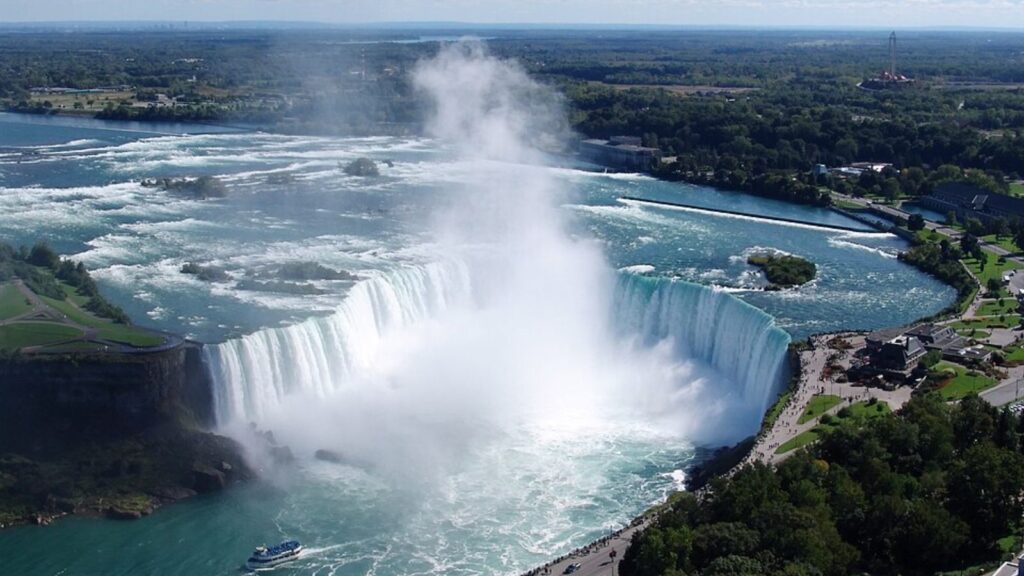
Niagara Falls
Straddling the border between New York and Canada, Niagara Falls remains one of North America’s most famous natural attractions. Every second, enormous amounts of water crash over the falls, creating thunderous sound, rising mist, and spectacular rainbows on sunny days.
Visitors can experience the falls from observation decks, boat tours that travel close to the rushing water, or hiking trails throughout Niagara Falls State Park, America’s oldest state park.
Carlsbad Caverns, New Mexico
Hidden beneath the Guadalupe Mountains lies one of the country’s most impressive cave systems. Carlsbad Caverns National Park contains more than 100 limestone caves formed over millions of years.
The largest chamber, known as the Big Room, stretches nearly 4,000 feet long with towering ceilings filled with incredible rock formations. During warmer months, thousands of Mexican free-tailed bats emerge from the cave each evening, creating one of the park’s most memorable sights.
Hawaii Volcanoes National Park
Hawaii Volcanoes National Park offers visitors a front-row seat to one of Earth’s most active volcanic regions. The park includes Kīlauea, one of the world’s most active volcanoes, along with the massive Mauna Loa.
Visitors can walk across old lava fields, peer into volcanic craters, explore scenic hiking trails, and drive the Chain of Craters Road for dramatic coastal views. The constantly changing landscape serves as a reminder that the islands are still being formed today.
The Appalachian Trail
The Appalachian Trail stretches roughly 2,190 miles from Georgia to Maine, crossing 14 states along the way. While only a small number of hikers complete the entire trail, millions visit different sections every year.
The trail passes through forests, mountain ridges, waterfalls, and valleys, offering scenery that changes with every season. Popular sections include the Great Smoky Mountains and Shenandoah National Park, where hikers can enjoy shorter day trips or longer backpacking adventures.
Mount Rainier, Washington
Standing 14,411 feet above sea level, Mount Rainier dominates the Washington landscape. This active volcano is surrounded by glaciers, alpine meadows, waterfalls, rivers, and dense forests.
Mount Rainier National Park features more than 260 miles of hiking trails, including the famous Wonderland Trail that circles the mountain. During summer, fields of colorful wildflowers bloom across the meadows, while winter brings deep snow that attracts skiers, snowboarders, and snowshoers from around the country.
Other Topics You Might Like
- If a neighbor’s tree falls on your home in California, who is responsible?
- Need to Block a Neighbor’s View of Your Yard? Here’s How to Do It Without Starting a War
- If a fence falls between neighbors in California, who is responsible for repairs?
- If You Spot These Vintage Garden Peices at a Garage Sale, Grab Them Fast