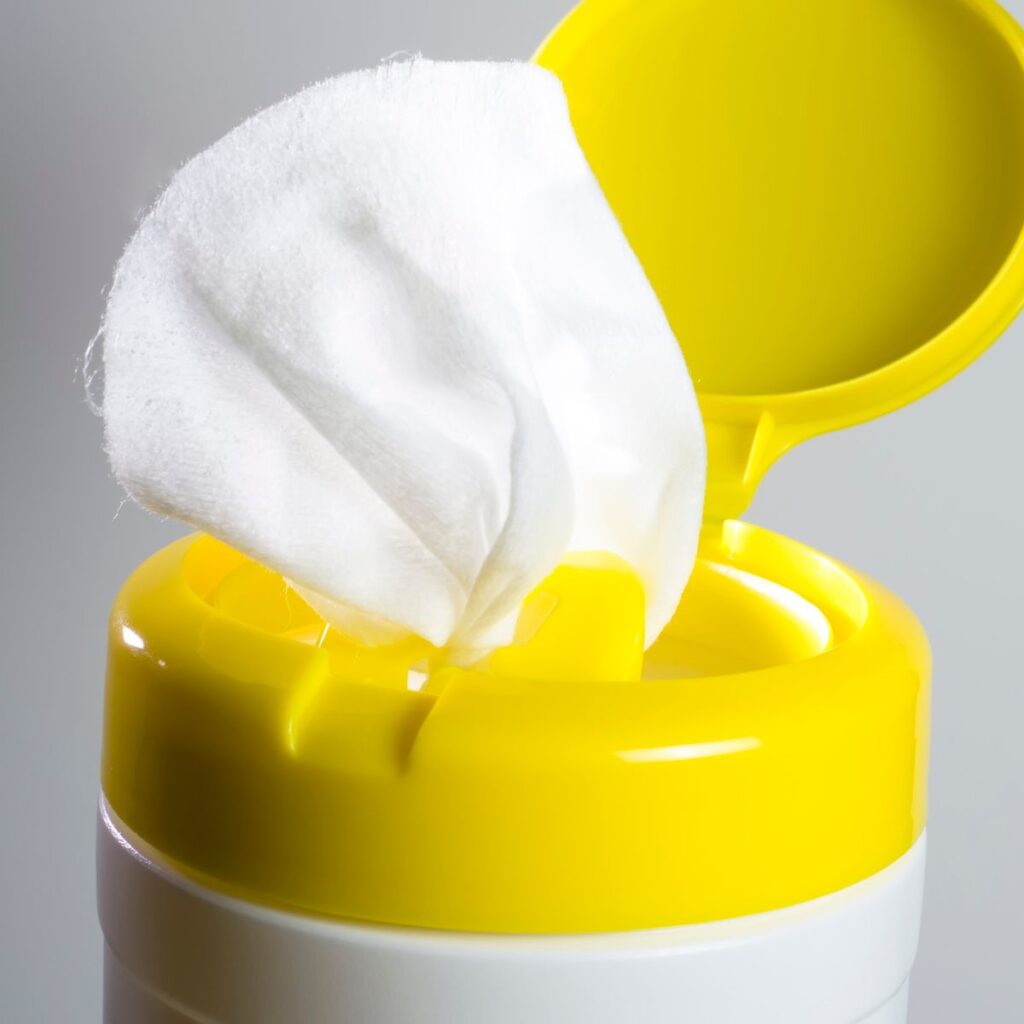
Disinfecting wipes make cleaning quick and convenient, which is why many of us reach for them without giving it a second thought. They’re great for disinfecting high-touch, nonporous surfaces like light switches, doorknobs, and countertops, but they aren’t designed for everything around your home.
In fact, using disinfecting wipes on the wrong surface can leave stains, remove protective coatings, dry out materials, or even shorten the life of expensive items. Before you start wiping everything down, here are 11 things that are better cleaned another way.
Delicate Jewelry
Pearls, opals, turquoise, emeralds, and other softer gemstones can be damaged by the alcohol and chemicals found in disinfecting wipes.
Even some metal settings and jewelry adhesives can weaken over time. When in doubt, use warm water, a soft cloth, or a jewelry cleaner that’s designed specifically for the type of piece you’re cleaning.
Clothing and Delicate Fabrics
Trying to remove a stain with a disinfecting wipe can often make things worse. The chemicals may fade colors, weaken fibers, or leave behind visible marks, especially on delicate fabrics. A stain remover designed for clothing is a much better option.
Leather Furniture, Bags, and Car Seats
Leather may look durable, but it’s surprisingly sensitive to the alcohol and cleaning agents found in many disinfecting wipes. Repeated use can strip away the natural oils that keep leather soft, eventually causing it to dry out, crack, or lose its finish.
Instead, use a leather cleaner or a damp microfiber cloth, then apply a leather conditioner to keep the material clean without damaging it.
Granite and Natural Stone Countertops
Natural stone countertops are usually sealed, and harsh disinfecting chemicals can slowly wear away that protective layer.
Once the sealant breaks down, the stone becomes more vulnerable to stains, dull spots, and permanent etching. Mild dish soap and warm water are usually all you need for everyday cleaning.
Eyeglasses and Camera Lenses
The special coatings on eyeglasses, sunglasses, camera lenses, and binoculars aren’t designed to withstand harsh disinfectants.
Over time, disinfecting wipes can damage anti-glare and scratch-resistant coatings, leaving lenses cloudy or permanently scratched. A microfiber cloth and lens cleaner are much safer choices.
Smartphone Screens
Many smartphones have fingerprint-resistant coatings that can gradually wear away if they’re repeatedly cleaned with harsh disinfectants.
If your manufacturer recommends disinfecting wipes, follow their instructions carefully and avoid excessive moisture around charging ports, speakers, and buttons. Otherwise, a microfiber cloth or electronics-safe screen cleaner is the safest choice.
Fresh Fruits and Vegetables
Disinfecting wipes should never come into contact with food you’ll be eating.
The cleaning chemicals aren’t intended for consumption and can leave behind harmful residue. Simply rinse produce thoroughly under running water, using a produce brush for thicker-skinned fruits and vegetables when needed.
Unfinished Wood
Raw or unfinished wood readily absorbs moisture and cleaning chemicals, which can cause swelling, discoloration, or warping.
Dusting regularly and using wood-safe cleaners when necessary will help preserve the surface without causing unnecessary damage.
Upholstered Furniture and Carpets
Disinfecting wipes aren’t designed for porous materials like fabric sofas, chairs, rugs, or carpeting.
Instead of disinfecting them, the chemicals often leave stains or discoloration and fail to sanitize deep within the fabric. Upholstery cleaners or carpet-specific products are much more effective.
Dishes and Food Storage Containers
Even after drying, disinfecting wipes can leave chemical residue on plates, bowls, cutting boards, and reusable food containers.
Anything that comes into direct contact with food should always be washed with dish soap and hot water or cleaned according to the manufacturer’s instructions.
Device Ports and Openings
Even if you’re carefully wiping down a tablet, laptop, or phone, avoid getting disinfecting solution into charging ports, headphone jacks, speakers, microphones, or ventilation openings.
Moisture trapped inside electronics can lead to corrosion or internal damage. Stick to lightly dampened electronics-safe cloths and keep liquids away from any openings.