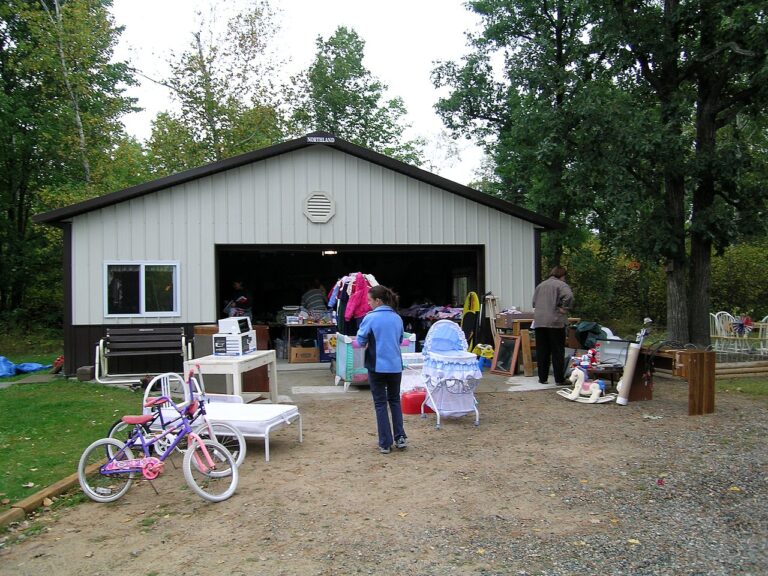
For years, donating my clothes to the local thrift store was automatic. Every time I cleaned out my closet, I’d load up a few bags, drop them off, and feel good knowing someone else might get to enjoy what I no longer wore.
I still love thrifting, and I still donate to thrift stores from time to time. But over the past few years, I’ve realized that sending every single donation to one place isn’t always the best way to help people or the clothes themselves.
Now I’m much more intentional about where my donations go, and I think my clothing ends up making a bigger impact because of it.
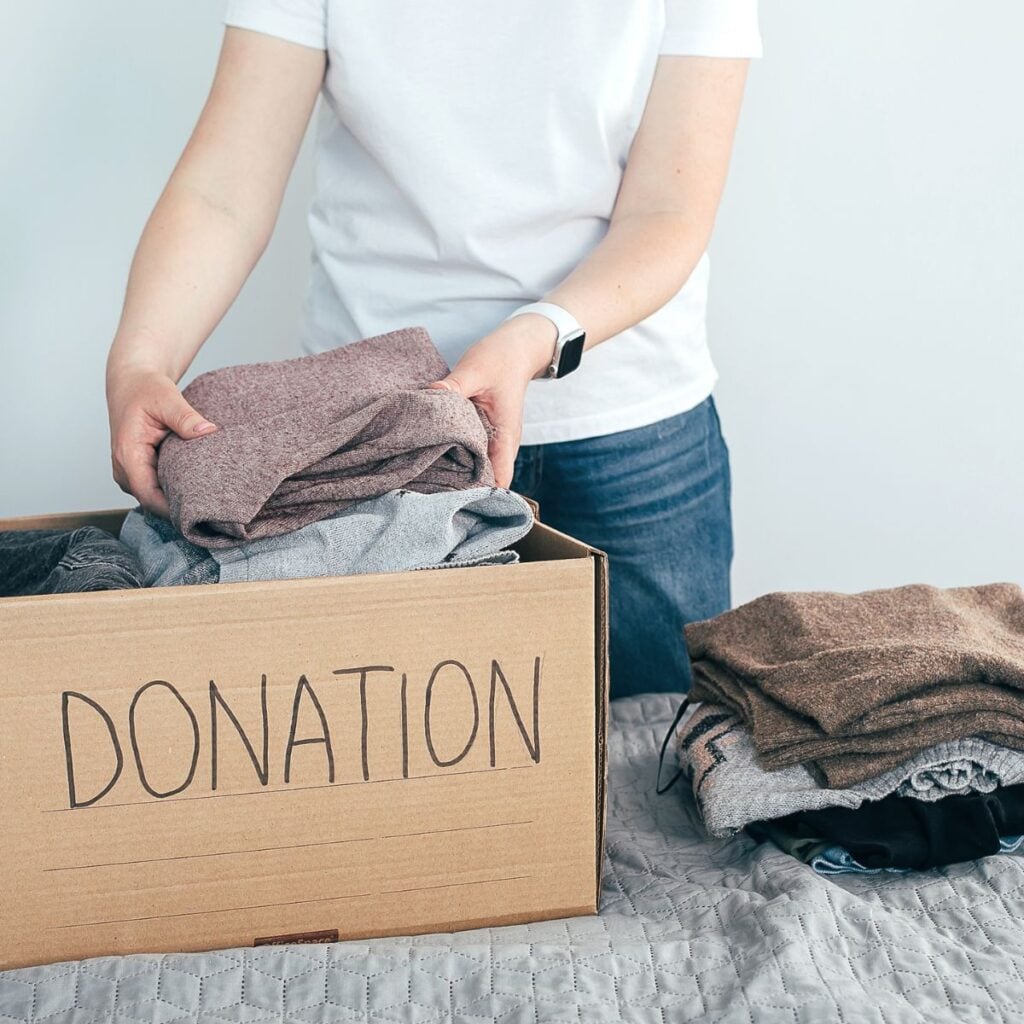
Not Everything Donated Actually Gets Sold
One of the biggest things that changed my perspective was learning just how many donations thrift stores receive every day. Many stores simply receive more clothing than they can possibly put on the sales floor, and a significant portion never makes it into the hands of shoppers.
That doesn’t mean you shouldn’t donate, but it does mean it’s worth thinking about whether another organization might be a better fit for certain items.
Some Clothes Can Help People More Directly
If I have professional clothing, dresses, or business attire, I try to donate them to organizations that help people prepare for job interviews or re-enter the workforce. Local churches, career centers, women’s shelters, and nonprofit organizations often have a much greater need for these items than traditional thrift stores do.
Children’s Clothing Can Go Where It’s Needed Most
Kids outgrow clothes incredibly fast, and many families struggle to keep up. Instead of automatically dropping off children’s clothing at a thrift store, I sometimes contact local schools, daycare centers, foster care organizations, or family resource centers to see whether they accept donations.
Always call ahead first, since every organization has different needs and donation policies.
Related: That Box of Old Children’s Books in Your Closet Might Be Worth Selling
I Sell Some Items Instead
If I have clothing that’s in excellent condition, from a popular brand, or still very much in style, I’ll often list it on eBay, Poshmark, Facebook Marketplace, or another resale platform. It takes a little more effort, but earning some extra money while giving the item a second life feels like a win-win.
Consignment Stores Can Be Worth It
Stores like Buffalo Exchange, Plato’s Closet, and local consignment shops are other options I use occasionally. They won’t accept everything, but because they carefully select what they buy, I know the pieces they do take are more likely to be worn again rather than sit on a crowded rack.
I Don’t Treat Donation Centers Like a Trash Can
There’s a big difference between donating and simply getting rid of things. Clothing that’s heavily stained, ripped, or worn beyond repair often creates extra work for volunteers who have to sort and dispose of unusable items.
I Research Before I Donate
Not every charity accepts the same items, and many organizations have very specific wish lists. Spending a few minutes to check a website or make a phone call helps ensure my donations are actually useful and saves everyone time.
I Try to Support Smaller Community Organizations
Large thrift chains certainly have their place, but I’ve found that smaller nonprofit thrift stores, church-run shops, mutual aid groups, and local charities often have a more immediate connection to the people they’re serving. Knowing exactly where my donations are going makes the process feel much more meaningful.
Related: 14 Things Thrift Stores Throw Away Every Day
I Still Donate to Thrift Stores
This isn’t about avoiding thrift stores altogether. I still donate there regularly, especially when I have clean, complete everyday clothing, shoes, or household items that are likely to sell quickly.