Many people grow tomatoes because nothing beats picking a ripe one straight from the garden. But if you’ve ever wondered why some plants produce just a handful of tomatoes while others are loaded with fruit, the difference usually comes down to a few simple growing habits.
Tomatoes aren’t difficult to grow, but they do reward a little extra care. Give them the right conditions from the start, and they’ll spend the season producing healthy vines and generous harvests. Here are ten simple tricks that can help you grow more tomatoes this year.
Choose Varieties That Grow Well in Your Area
The first step toward a great harvest starts with choosing the right variety. Some tomatoes thrive in hot, humid weather, while others perform much better in cooler climates or shorter growing seasons.
If you’re unsure what to plant, visit a local nursery instead of grabbing the first seedlings you see. Plants that are already known to perform well in your area usually have a much better chance of producing a heavy crop.
Related: Why Gardeners Are Putting Baking Soda on Their Tomatoes
Start With Healthy Seedlings
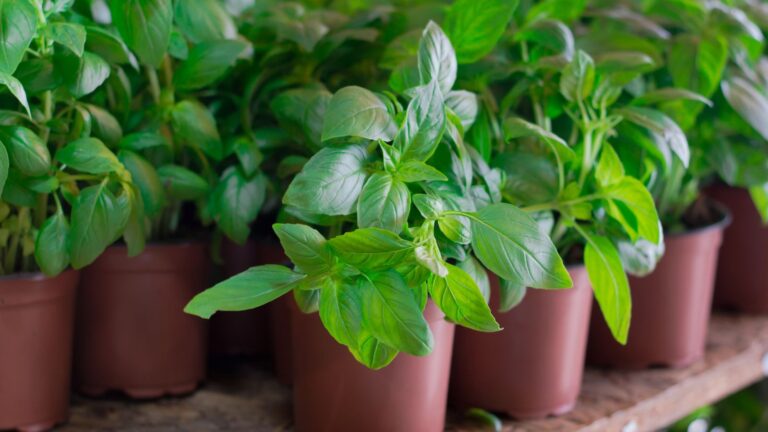
Strong plants almost always produce better harvests. Look for seedlings with thick stems, healthy green leaves, and a compact shape. Skip plants that look stretched out, pale, or wilted.
If you’re growing tomatoes from seed, give them plenty of light and good-quality potting mix from the beginning. Healthy young plants settle into the garden faster and are better prepared to handle changing weather.
Harden Off Young Plants Before Planting
Tomato seedlings raised indoors need time to adjust before moving outside permanently. Placing them straight into full sun and wind can leave them stressed and slow their growth.
Set them outdoors for a few hours each day, gradually increasing the time over about a week. This simple step helps plants adapt naturally and makes transplanting much easier.
Give Tomatoes Plenty of Sunshine
Tomatoes produce their best harvests in full sun. Aim for at least six to eight hours of direct sunlight every day, with morning sun being especially helpful because it dries moisture from the leaves early.
If your garden receives less sunlight, smaller tomatoes like cherry or grape varieties usually perform better than larger slicing tomatoes.
Related: Plant These 11 Things Near Your Tomatoes for a Better Harvest
Plant Them Deeper Than You Think
Tomatoes are unusual because the buried portion of the stem can grow new roots. Planting seedlings several inches deeper than they were growing in their pots creates a larger, stronger root system.
A stronger root system helps plants absorb more water and nutrients while giving them better support once they’re carrying heavy clusters of fruit.
Give Plants Enough Room
Packing tomato plants too closely together often leads to fewer tomatoes instead of more. Crowded plants compete for sunlight and air circulation, making disease more likely.
Leave enough space between plants so air moves freely through the foliage and sunlight reaches every side. Healthy airflow helps leaves dry faster after rain or watering and keeps plants in better condition throughout the season.
Add Mulch Around Each Plant
Mulch is one of the easiest ways to improve growing conditions. A layer of straw, shredded leaves, untreated grass clippings, or other organic mulch helps the soil stay evenly moist while reducing weeds.
It also keeps the soil cooler during hot weather and prevents water from splashing soil onto the leaves, which can spread disease.
Related: Fed Up With Squirrels Stealing Your Tomatoes? These 14 Tricks Can Help
Water Deeply and Keep It Consistent
Tomatoes prefer steady moisture instead of frequent light watering. Deep watering encourages roots to grow farther into the soil, making plants stronger during dry spells.
Allowing the soil to swing between very dry and very wet can lead to cracked fruit and blossom-end rot. Watering deeply at the base of the plant helps keep growth steady throughout the season.
Feed Plants Throughout the Season
Tomatoes need plenty of nutrients to support continuous flowering and fruit production. Mixing compost into the soil before planting gives them a strong start.
After the first fruits begin developing, switch to a fertilizer that contains more phosphorus and potassium than nitrogen. This encourages the plant to focus on producing tomatoes instead of excess leafy growth.
Support Plants Early and Keep Them Open
Install cages, stakes, or trellises while plants are still small. Supporting them early keeps stems from breaking later and prevents fruit from resting on the ground.
As the plants grow, remove the lower leaves and trim excess suckers if needed to improve airflow. A more open plant stays healthier, is easier to harvest, and puts more energy into growing tomatoes instead of unnecessary foliage.
Other Topics You Might Like
- 13 Gardening Antiques Collectors Love and Often Pay Up For
- I Stopped Buying Fertilizers After Years of Gardening and Started Using This Instead
- Some of the Best Gardening Tips I Ever Got That Break All the Rules
- 9 Vintage Gardening Tools Hiding in Grandma’s Potting Shed— Some Could Be Worth a Small Fortune