Few things brighten a yard or bouquet like fresh flowers, but if you struggle with seasonal allergies, some blooms can make life miserable. A beautiful garden may come with plenty of sneezing, itchy eyes, congestion, and a runny nose if it contains plants that release large amounts of pollen.
Not every colorful flower is a problem, but some are well known for producing pollen that spreads easily through the air or causes reactions after close contact. Knowing which flowers are more likely to trigger allergies can help you make better choices for your garden or home.
Here are 10 beautiful flowers that may leave allergy sufferers reaching for the tissues.
Daisies (Bellis perennis)
Daisies may look harmless, but they’re part of the daisy family, which is a common source of seasonal allergies. Their lightweight pollen can become airborne and spread easily during the growing season.
If daisies pop up throughout your lawn, mowing before they bloom can help reduce the amount of pollen around your home. Keep in mind that pollen can still drift in from nearby yards and open fields.
Marigolds (Tagetes spp.)
Marigolds are a favorite in vegetable gardens because they help attract beneficial insects and are often used in companion planting. Unfortunately, they’re also heavy pollen producers.
For people with pollen allergies, marigolds can trigger sneezing, itchy eyes, and nasal congestion. If you want bright flowers without the same concern, look for lower-pollen alternatives that rely more on insects than the wind for pollination.
Dahlias (Dahlia spp.)
Dahlias are loved for their large, colorful blooms and are a popular choice for flower beds and cut arrangements. While they’re beautiful to look at, many varieties also produce plenty of pollen.
Their late-summer blooms can make allergy season last even longer for sensitive individuals, especially if the flowers are brought indoors.
Asters (Aster spp.)
Asters brighten gardens with shades of purple, pink, blue, and white just as many summer flowers begin to fade. They’re another member of the daisy family, which means they can be troublesome for people with pollen allergies.
During their blooming season, they may contribute to sneezing, watery eyes, and stuffy noses.
Ragweed (Ambrosia artemisiifolia)
Ragweed isn’t grown for its looks, but it deserves a place on this list because it’s one of the biggest causes of seasonal allergies.
A single plant can release enormous amounts of pollen, and the wind can carry it for miles. Many people experience their worst allergy symptoms during ragweed season, with sneezing, itchy eyes, congestion, and asthma flare-ups becoming much more common.
Zinnias (Zinnia spp.)
Zinnias bring bold color to flower beds and attract butterflies and bees throughout the summer. Their open blooms also produce pollen that can bother allergy sufferers, particularly when flowers are handled or cut.
People with hay fever may notice worsening symptoms while working around large plantings.
Baby’s Breath (Gypsophila spp.)
Baby’s Breath is often tucked into bouquets to fill empty spaces between larger flowers. Those tiny white blooms may look delicate, but they produce plenty of pollen.
Many people blame roses for allergy symptoms after receiving bouquets, when Baby’s Breath is often the real source of the irritation.
Goldenrod (Solidago spp.)
Goldenrod is frequently blamed for fall allergies, though ragweed is usually the bigger culprit. Goldenrod pollen is heavier, so it doesn’t travel through the air as easily.
Still, gardeners and florists who handle the flowers up close may experience sneezing or other allergy symptoms after direct exposure.
Amaranth (Amaranthus spp.)
Amaranth produces striking flower spikes that stand out in summer and fall gardens. It also releases large amounts of pollen, making it a poor choice for anyone with seasonal allergies.
Its wind-carried pollen can trigger sneezing, itchy eyes, congestion, and breathing problems in sensitive people.
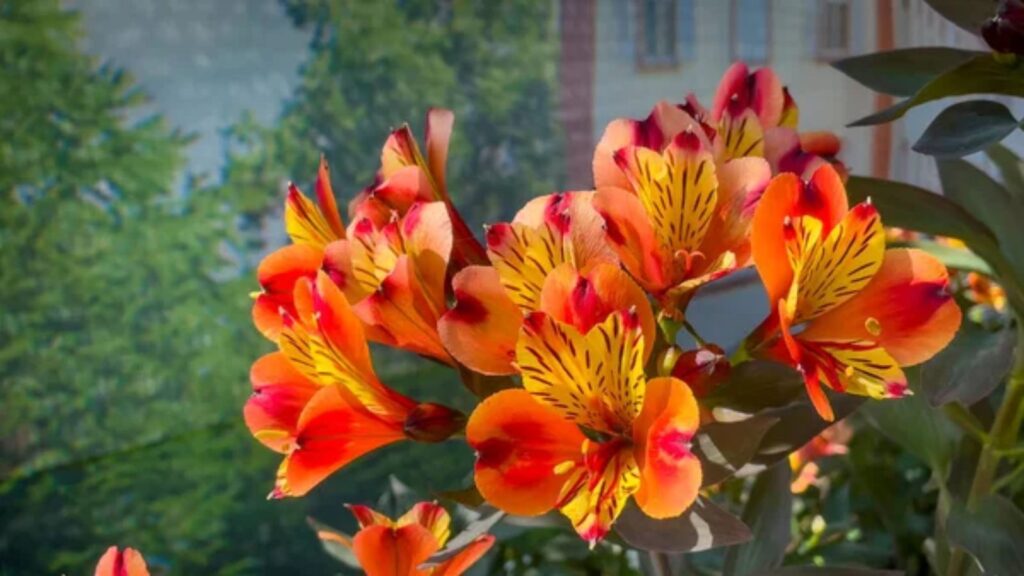
Peruvian Lilies (Alstroemeria spp.)
Peruvian lilies are popular because they last a long time in a vase and come in a wide range of bright colors. While they aren’t among the highest pollen producers, they can still cause problems for some people.
Their pollen may trigger sneezing and itchy eyes, and the sap can sometimes irritate the skin after handling freshly cut stems.