Bleach is one of the most powerful cleaning products you can keep in your home. It’s excellent for disinfecting hard, non-porous surfaces, whitening laundry, and killing many germs, but using it incorrectly can damage your home, ruin belongings, and even create dangerous chemical reactions.
Before you reach for the bleach bottle, make sure you aren’t making one of these common mistakes.
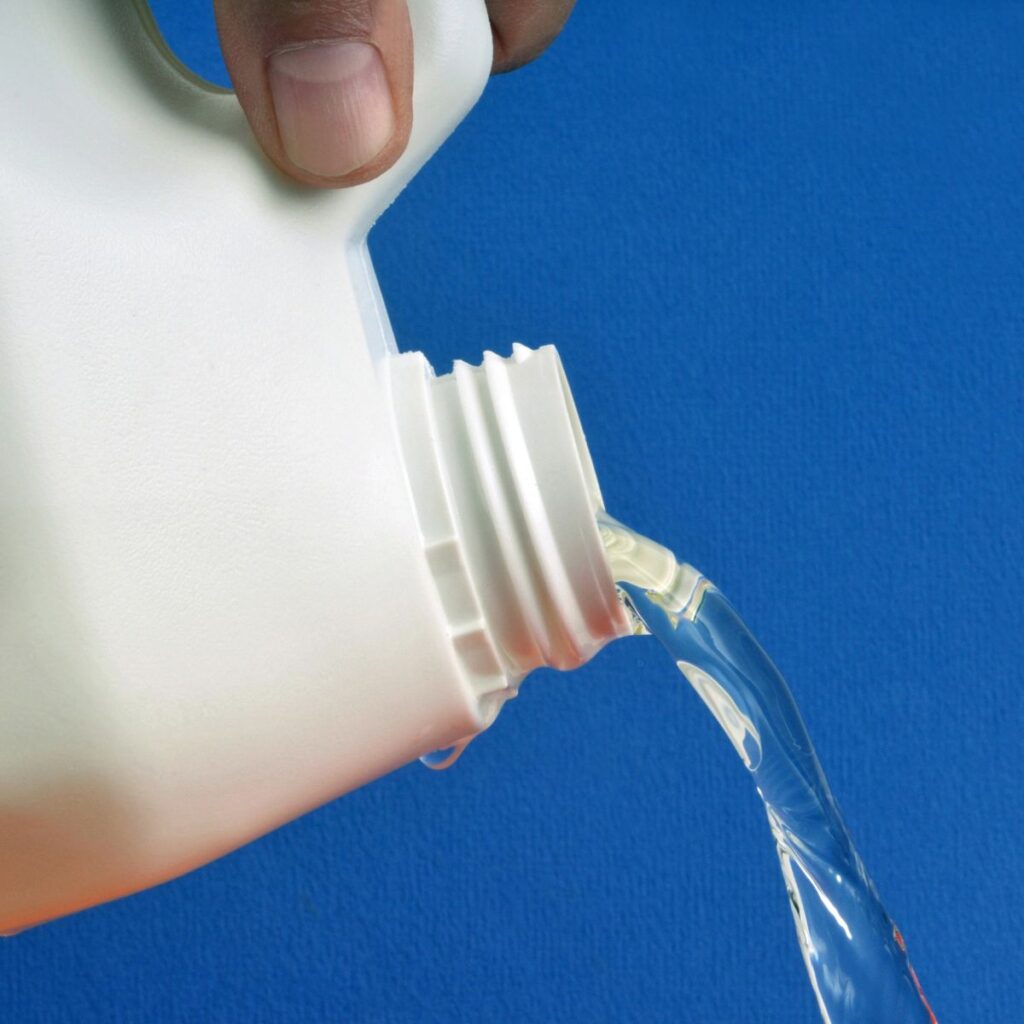
Mix It With Other Household Cleaners
Bleach should never be mixed with products like vinegar, ammonia, rubbing alcohol, drain cleaners, or many toilet bowl cleaners. These combinations can produce toxic gases that are dangerous to breathe and may cause serious irritation or injury.
Use It on Wood Furniture or Hardwood Floors
Bleach can strip away protective finishes and discolor natural wood surfaces. Over time, it may leave hardwood floors, cabinets, and furniture looking faded, dry, or permanently damaged.
Clean Granite, Marble, or Other Natural Stone
Natural stone is porous and sensitive to harsh chemicals like bleach. Repeated use can break down protective sealers, dull the finish, and leave permanent etching or discoloration that’s expensive to repair.
Apply It to Stainless Steel or Other Metals
Although bleach is a powerful disinfectant, it can corrode many types of metal, including stainless steel, aluminum, copper, and cast iron. Instead of leaving surfaces sparkling, it may cause rust, pitting, or permanent discoloration over time.
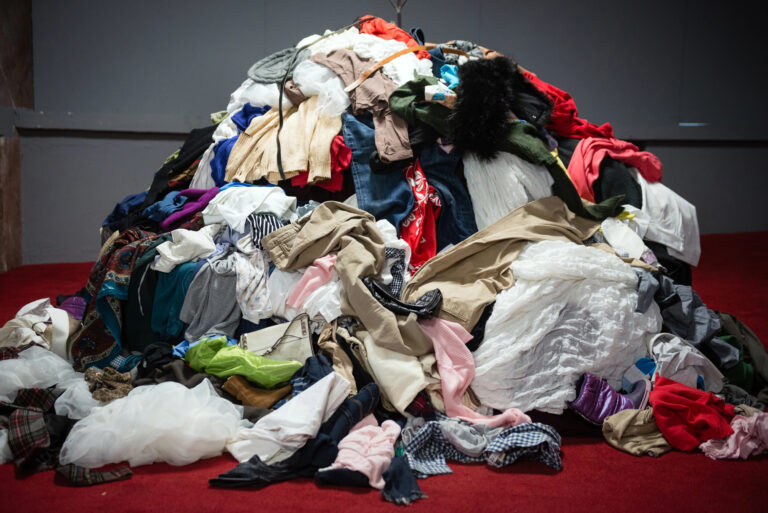
Bleach Colored Fabrics
Bleach is designed to remove color, so using it on colored clothing, towels, upholstery, or rugs is almost guaranteed to cause fading or blotchy spots. Unless the label specifically says the fabric is bleach-safe, it’s best to use a color-safe laundry product instead.
Related: 14 Practical Uses for Windex
Clean Leather
Leather depends on its natural oils to stay soft and flexible. Bleach strips away those oils, causing leather furniture, handbags, shoes, and jackets to dry out, crack, and lose their original color.
Use It on Painted Surfaces
Bleach may seem like a quick way to remove stains from painted walls or furniture, but it can damage the paint itself. It often causes discoloration, peeling, or uneven fading that requires repainting to fix.
Pour It Down Clogged Drains
Many people assume bleach will clear a clogged drain, but it doesn’t actually remove grease, hair, or food buildup. Instead, it may damage plumbing over time, react with other chemicals already in the pipes, and create harmful fumes.
Related: Nobody Mentions These Homeownership Costs Until You’re Paying Them
Use It on Mold Without Fixing the Moisture Problem
Bleach may kill mold growing on some hard, non-porous surfaces, but it won’t solve the underlying moisture problem that’s allowing mold to grow. Unless you eliminate the source of the water, the mold will usually return no matter how much bleach you use.
Related: I Stopped Using Dryer Sheets in the Dryer—Here’s Where I Use Them Instead
Use It Without Proper Ventilation or Protection
Bleach gives off strong fumes that can irritate your eyes, skin, and lungs, especially in enclosed spaces. Always wear rubber gloves, open windows or turn on exhaust fans, and follow the dilution instructions on the label to use it safely.