If you live in a north-facing apartment, you’ve probably heard that growing houseplants will be difficult because the windows don’t get much direct sun. That can be true for certain plants, but it doesn’t mean you have to give up on having greenery indoors.
North-facing windows usually provide softer, indirect light. The amount can vary depending on the season, nearby buildings, trees, and how close the plant sits to the window. For many low-light houseplants, that softer light can actually work well.
The trick is picking plants that can handle your apartment’s lighting rather than buying a plant that needs several hours of bright sunshine.
If you’ve killed a few houseplants in the past, don’t feel bad. Sometimes the plant simply wasn’t a good match for the room. These 12 options are more forgiving and can handle lower light and occasional missed waterings.
Snake Plant (Sansevieria trifasciata)
If you’re looking for a houseplant that can handle a fair amount of neglect, the snake plant is a great place to start. It tolerates low light, doesn’t need frequent watering, and has upright leaves that take up very little floor space.
It works well in an empty corner, beside a sofa, or near a north-facing window. Start with a live snake plant and add modern indoor plant pots to give it a finished look.
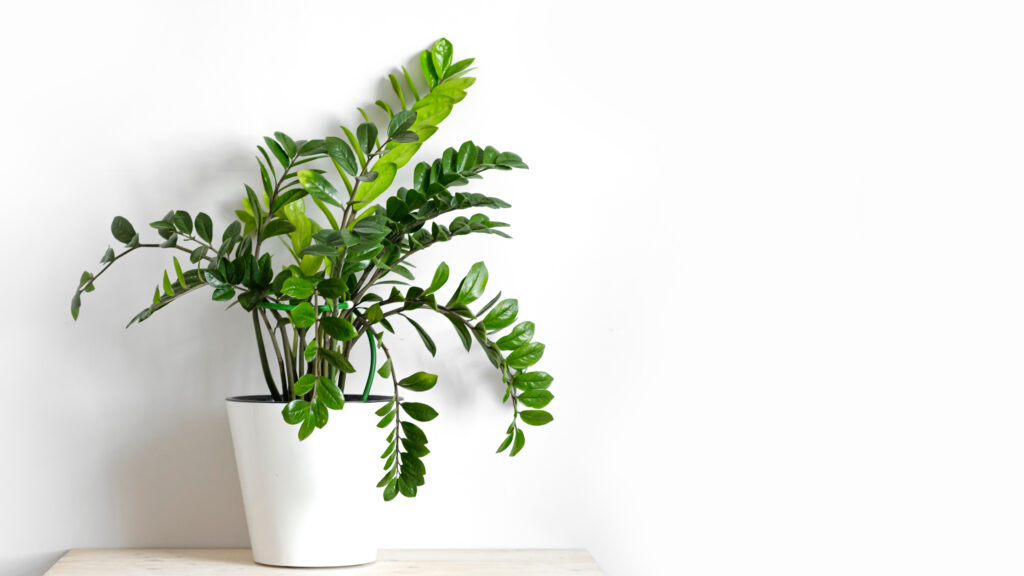
ZZ Plant (Zamioculcas zamiifolia)
The ZZ plant has a reputation for being one of the easier houseplants to care for, and there’s a good reason for that. Its thick underground rhizomes store water, so it can go quite a while between waterings.
It can live in low light and still maintain its glossy green leaves. Just avoid keeping the soil constantly wet. A self-watering planter can make plant care even easier.
Pothos (Epipremnum aureum)
Pothos plants are a favorite for apartments because they’re forgiving and grow well in a range of indoor conditions. They can handle lower light, although their growth and leaf coloring may be stronger with more indirect light.
The trailing vines look great hanging from a shelf or planter. If you’re short on floor space, try a hanging planter basket.
Cast Iron Plant (Aspidistra elatior)
The cast iron plant has earned its name. It can put up with low light, dry indoor conditions, and periods of inconsistent care.
This plant also grows slowly, so it’s a good choice for an apartment where you don’t want a plant taking over the room. A minimalist ceramic planter keeps its broad green leaves looking neat without making the plant feel too formal.
Related: I Stopped Buying Plants From Home Depot After Years of Gardening and You Might Want To, Too
Chinese Evergreen (Aglaonema)
The Chinese Evergreen is a good pick if you want something with more color and leaf pattern than a standard green houseplant.
Aglaonemas can handle lower light, though some of the more colorful varieties may show their best coloring in brighter indirect light. They also tend to stay fairly full without demanding constant attention.
Use decorative indoor plant pots to bring out the patterns and colors in the leaves.
Spider Plant (Chlorophytum comosum)
Spider plants are easygoing houseplants that do well with indirect light. They’re also fun to watch grow because mature plants produce little plantlets that hang from long stems.
A north-facing room can work well for them, especially if the plant is close to the window. A wall-mounted plant hanger is a nice way to show off those trailing stems without taking up table space.
Heartleaf Philodendron (Philodendron hederaceum)
The Heartleaf Philodendron plant is another reliable choice for a dimmer apartment. Its heart-shaped leaves grow along long vines, making it a good fit for shelves, bookcases, or hanging planters.
It can handle lower light and usually recovers well if you forget a watering now and then. Let the vines hang from a floating shelf set for an easy way to fill an empty wall.
Lucky Bamboo (Dracaena sanderiana)
If you want something that takes up very little space, lucky bamboo is worth a look. Despite its common name, it’s actually a type of Dracaena.
It can grow in water and does well with bright indirect or lower light. If you grow it in water, keep the container clean and refresh the water regularly. It’s a simple option for a desk, bathroom shelf, or kitchen counter.
Dracaena (Dracaena fragrans or marginata)
Dracaenas are popular indoor plants because many varieties can handle lower light and dry indoor air. They also tend to prefer letting the soil dry somewhat between waterings.
Their upright growth makes them useful for corners where you want a taller plant without taking up much floor space. A tall indoor planter pot can work well with a larger plant.
Peace Lily (Spathiphyllum)
Peace lilies can handle lower light better than many flowering houseplants. A dim room may mean fewer flowers, but the foliage can still look full and healthy with proper care.
One thing that makes peace lilies especially useful for forgetful plant owners is that they tend to droop when they need water. Once watered, they often perk back up.
A watering can with a narrow spout makes it easier to water around the base without soaking the surrounding area.
Jade Plant (Crassula ovata)
Jade plants are a little different from the other plants on this list. They prefer plenty of bright light, so a very dark north-facing apartment may not be the best spot for one.
If your north-facing window gets plenty of daylight or you have a brighter location nearby, a jade plant can work. The bigger concern is watering. Let the soil dry out between waterings rather than keeping it damp.
A succulent soil mix can help with drainage and reduce the chance of soggy roots.
Ponytail Palm (Beaucarnea recurvata)
Despite its name, the Ponytail Palm isn’t actually a palm. It has a thick, swollen base that stores water, which helps it handle dry conditions and missed waterings.
Like the jade plant, it prefers brighter light, so it’s a better choice for a north-facing apartment that gets plenty of daylight or has another brighter spot available. Let the soil dry between waterings and avoid leaving the roots sitting in water.
A well-draining planter pot is a good match for this drought-tolerant plant.
A Few Simple Tips for North-Facing Windows
The plant itself is only part of the equation. Placement can make a big difference in a low-light apartment.
Keep plants as close to the window as their care requirements allow, and pay attention to how the light changes throughout the day. A plant sitting several feet away from a north-facing window may receive much less light than one sitting right beside it.
Also, be careful with watering. Low-light plants often use water more slowly, so watering them on a strict schedule can leave the soil wet for too long. Check the soil before reaching for the watering can.
With the right plants and a little attention to placement, a north-facing apartment can still have plenty of healthy greenery.