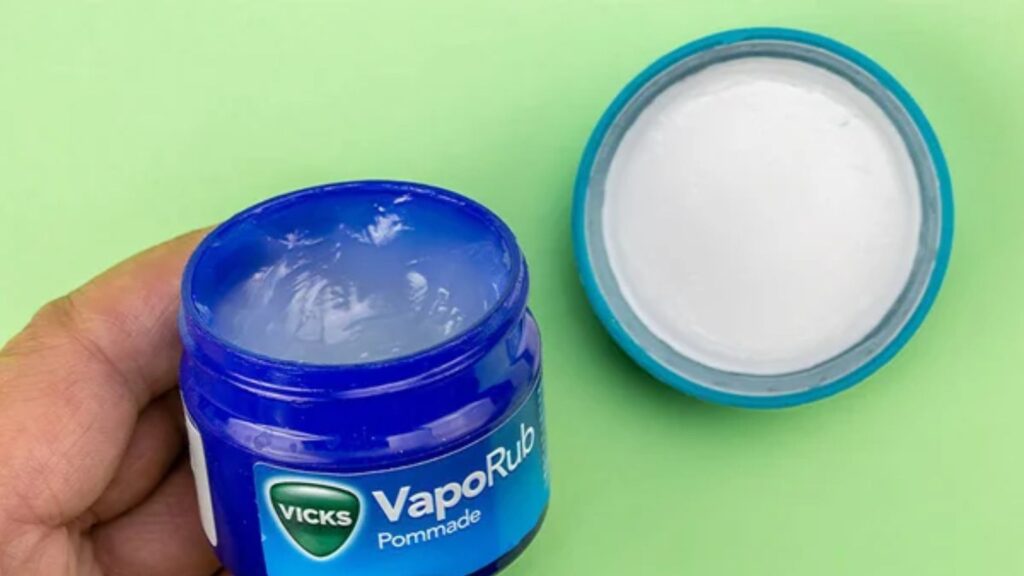
Most people probably have a jar of Vicks VapoRub sitting somewhere in the house for cold and flu season. I know I do. I never really thought about using it for anything else until I started hearing about people putting it to work in their gardens.
At first, I thought it sounded a little strange. Vicks is a medicine cabinet staple, not something you normally associate with gardening. But the strong menthol and eucalyptus scent is hard to miss, and certain animals and insects don’t seem to like those smells.
That’s why some gardeners have started using small amounts of Vicks around problem areas. It isn’t a guaranteed fix, and results can vary, but it’s an interesting trick to try if you’re dealing with unwanted visitors.
Here are some of the ways people use it around the garden.
Keep Cats Away From Garden Beds
Cats may love digging in loose garden soil, especially when you’ve just planted something. Strong scents can make certain areas less appealing to them.
Some gardeners put a small amount of Vicks near spots where cats repeatedly dig or scratch. It can be placed around the edges of a garden bed or along a pathway rather than directly on plants.
Keep Ants Away From Feeders and Pots
Ants have a habit of finding their way into places you really don’t want them, including hummingbird feeders and plant pots.
Some people rub a little Vicks VapoRub along the pole, hook, or outside edge of a planter to create a scented barrier. The strong smell may discourage ants from crossing the area.
I’ve also seen gardeners use this trick around a bird-feeder stand, where ants can become a regular nuisance.
Discourage Slugs and Snails
Slugs and snails can cause a surprising amount of damage in a garden, especially after rainy weather.
Some gardeners use strong-smelling substances around the outside edges of pots or raised beds to make those areas less appealing. A small amount of Vicks can be rubbed along a container rim rather than placed directly on the soil or plants.
It’s worth testing on a small area first to see whether it makes a difference in your garden.
Related: 16 Brilliant (and Mildly Unhinged) Uses for Epsom Salt That Make You Say “Wait… What?”
Discourage Deer From Certain Areas
Anyone who has dealt with deer knows how quickly they can turn a garden into a buffet.
Some gardeners put small amounts of Vicks on fence posts or other surfaces near plants they want to protect. The strong scent may make the area less inviting.
This works best as one part of a larger plan, since hungry deer aren’t always easy to discourage with a scent alone.
Keep Squirrels From Digging
Squirrels can be especially frustrating after you’ve planted bulbs or seeds. They’ll dig around looking for food and can undo your work in a matter of minutes.
Some gardeners put a small amount of Vicks near places where squirrels repeatedly dig, such as around the edges of garden beds or near the base of trees. The strong smell may make those spots less appealing.
Just keep it away from areas where pets or wildlife could easily lick or eat it.
Discourage Rodents Around Sheds and Storage Areas
Mice and rats can find their way into sheds and storage spaces, especially when those areas contain food, nesting material, or plenty of hiding places.
One commonly shared trick is putting a little Vicks on cotton balls and placing them near corners or possible entry points. The strong scent may discourage rodents from spending time in those spots.
It shouldn’t replace sealing holes or dealing with an existing infestation, but it can be an inexpensive thing to try alongside other prevention methods.
A Small Jar Can Have More Uses Than You Think
Vicks VapoRub was made for a very different purpose, but its strong scent has led people to experiment with it around the house and garden.
Just keep expectations realistic. A scent-based trick may work in one yard and do very little in another. Weather, the type of animal, and how persistent the problem is can all make a difference.
If you decide to try it, use a small amount, keep it away from edible parts of plants, and make sure pets and children can’t get into it. Sometimes the simplest garden tricks are worth testing, especially when you already have the product sitting in your medicine cabinet.
Other Topics You Might Like
- 13 Gardening Antiques Collectors Love and Often Pay Up For
- I Stopped Buying Fertilizers After Years of Gardening and Started Using This Instead
- Some of the Best Gardening Tips I Ever Got That Break All the Rules
- 9 Vintage Gardening Tools Hiding in Grandma’s Potting Shed— Some Could Be Worth a Small Fortune