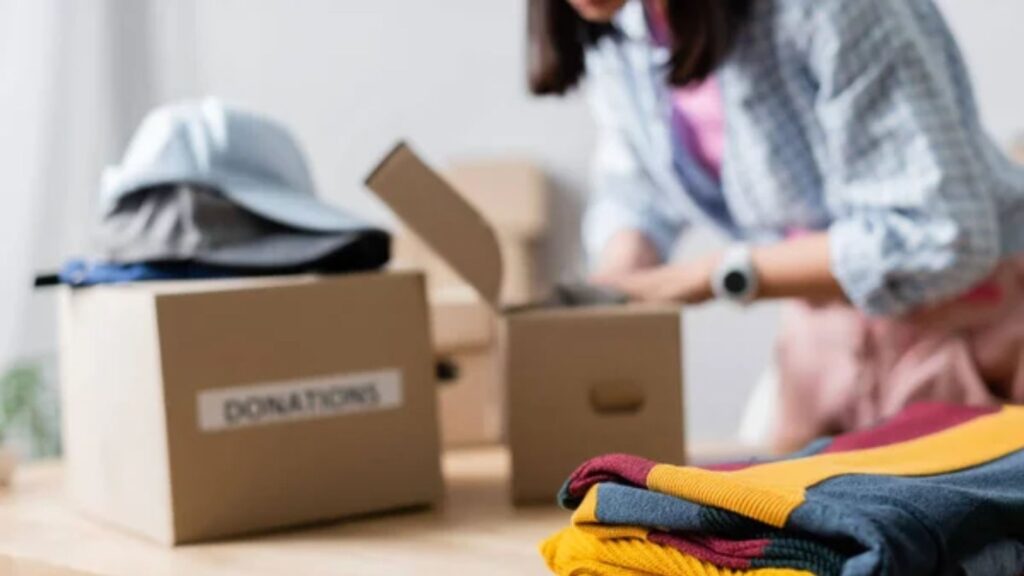
Most people assume donation centers will take just about anything they no longer need. You clean out the garage, fill the car, drop everything off, and feel good knowing your unwanted stuff could be useful to someone else. But that isn’t always how donations work.
The Salvation Army receives a huge variety of items every day, from clothing and furniture to electronics and household goods. While donated items help support its programs and thrift stores, some things are too risky, too difficult to sell, or too costly to dispose of.
Donation rules can also vary by location, so an item accepted at one store may be refused at another. Before loading up your car, check with your local Salvation Army donation center to see what it currently accepts.
Here are some of the items that are commonly turned away.
Broken, Rusty, or Dirty Appliances
A coffee maker that no longer works, a toaster covered in grease, or an appliance with a missing cord may seem like something someone could repair. For a donation center, though, broken appliances can quickly become a disposal problem.
Most thrift stores don’t have repair staff available to test and fix every appliance that comes through the door. Items that are damaged, heavily soiled, rusty, or unsafe are often rejected.
Gas-powered appliances can also be refused because of fire and safety concerns.
Related: Salvation Army Says These 6 Items Are Completely Banned From Donations
Old TVs and Console Electronics
Those large tube TVs and outdated stereo systems sitting in the garage may have some sentimental value, but they’re tough for thrift stores to sell.
Older electronics can be expensive to recycle, and there may be little demand for them. Outdated DVD players, printers, computer equipment, and bulky televisions can take up valuable storage space while offering little return.
Before donating old electronics, check whether your local location accepts them or look for an electronics recycling program nearby.
Built-In Appliances
Built-in ovens, dishwashers, microwaves, and similar fixtures can be difficult for donation centers to handle. They’re heavy, awkward to remove, and harder to transport and test than smaller household appliances.
There’s also the question of storage. A thrift store may have plenty of room for a small countertop appliance but nowhere to put a full-size built-in oven.
For that reason, these items are often refused.
Related: What the Salvation Army Wants You to Donate—and May Pick Up
Automobile Parts
Old tires, car batteries, wheels, engines, and other automobile parts can create a whole set of problems for a thrift store.
They’re heavy, take up a lot of room, and may require special handling or disposal. Even a perfectly usable car part may not be something a particular donation center is equipped to accept.
If you have automotive parts to get rid of, an auto recycling service or another organization that specializes in vehicle donations may be a better option.
Paint and Household Chemicals
Leftover paint is a common item people try to donate during garage and basement cleanouts. The problem is that many donation centers can’t safely store or resell it.
Cleaning chemicals, pesticides, automotive fluids, solvents, and other potentially hazardous products can also create safety and disposal issues. Flammable liquids and similar materials are especially problematic.
Rather than putting these items in your donation pile, check your local waste facility for household hazardous waste disposal options.
Related: The Salvation Army’s Hidden Rejection List: 13 Things They Will Happily Turn Away
Kerosene and Gas Heaters
Older kerosene and gas-powered heaters can be risky donations. Even if a heater still works, a donation center may have no practical way to inspect it and determine whether it meets current safety standards.
Because of the fire and carbon monoxide risks associated with certain fuel-burning heaters, many thrift stores choose not to accept them.
Wet or Moldy Items
A bag of damp clothes might seem harmless, but moisture can quickly turn into a much bigger problem.
Wet clothing, books, linens, upholstered furniture, and other fabric items can develop mold and mildew while sitting in storage. Once mold is present, the affected items usually can’t be sold.
If something has been sitting in a damp basement or garage and smells musty or shows visible mold, it’s better to keep it out of the donation pile.
Mattresses, Pillows, and Certain Bedding
Mattresses and box springs are among the items many donation centers refuse. Sanitation concerns make used mattresses difficult to process and resell.
Pillows and heavily used bedding can also be rejected. A piece of bedding may look perfectly clean, but a thrift store still has to think about whether it can safely be offered to another customer.
Before loading these items into your car, check your local donation guidelines.
Related: Don’t Bring These 5 Items to Savers—They Won’t Accept Them
Baby Gear and Safety Equipment
Baby items can be tricky donations because safety standards and recalls change over time.
Car seats, cribs, highchairs, strollers, swings, and similar products may be missing parts, have expired, or have been recalled. A donation center may have no way to confirm the item’s history or determine whether it still meets current safety requirements.
That’s why many locations refuse certain types of baby gear altogether. If you’re getting rid of older equipment, check for a local organization or recycling program that specifically handles these items.
Families replacing older gear may also choose newer convertible car seats, compact strollers, or foldable high chairs that meet current safety guidelines.
Opened Makeup and Personal Care Products
Half-used bottles of shampoo, opened makeup, old skincare products, and partially used lotions are usually poor choices for donation.
Once a personal care product has been opened, there’s no easy way for a store to verify its condition or whether it has been contaminated. Expired products are another concern.
Brand-new, unopened toiletries may be accepted at some locations, but used personal care products generally belong in the trash or another appropriate disposal stream.
Medical Equipment
Walkers, crutches, braces, and other medical equipment can seem like helpful donations, but thrift stores may have concerns about safety and liability.
A piece of equipment can look perfectly fine while still having worn parts, missing pieces, or other problems that aren’t obvious. Donation center employees may also have no way to determine whether it is appropriate for another person’s medical needs.
Because of these concerns, some Salvation Army locations don’t accept medical equipment.
Weapons and Weapon-Like Items
Firearms and ammunition are prohibited donations, and many locations also refuse other items that could create safety concerns, including realistic replica weapons.
Donation centers are busy places where employees and customers are constantly moving items around. Anything that could be mistaken for a real weapon can create an unnecessary safety problem.
If you have an item in this category, check with your local authorities or a qualified organization for safe disposal or transfer options.
Construction Materials
Leftover carpet, tiles, plumbing fixtures, office partitions, scrap lumber, and other building supplies may still have some life left in them, but that doesn’t mean a thrift store has a place for them.
Large construction materials take up considerable storage space and can be difficult to display or sell. Some locations may accept certain household improvement items, while others have no way to handle them.
Before bringing a truckload of leftover renovation materials to a donation center, call ahead and ask.
Encyclopedias, Magazines, and Old Print Media
Books can be great donations, but older reference materials are a different story.
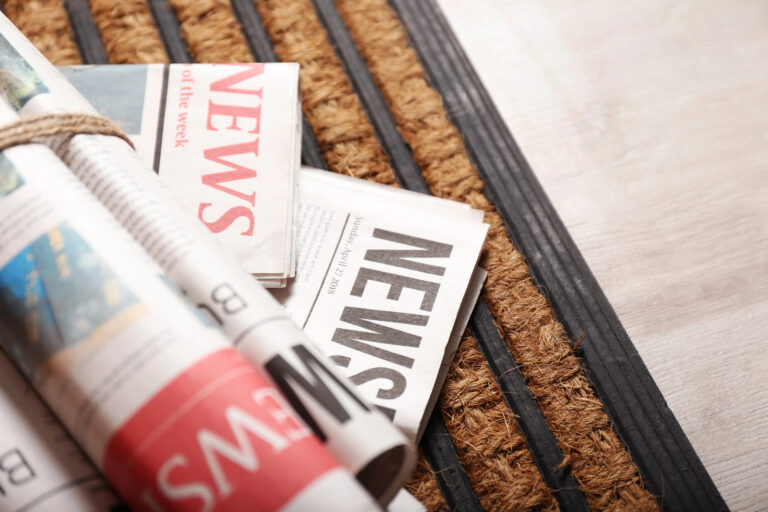
Encyclopedias, outdated textbooks, stacks of magazines, and old newspapers often have little resale value today. They can take up shelf space for months and may eventually have to be recycled.
If you have a pile of old newspapers sitting around, there may be better uses for them at home, particularly in the garden.
Before donating books or other printed materials, take a quick look at their condition and age. Current books, popular titles, and useful nonfiction tend to have a better chance of finding a new home.