I used to think I was doing the right thing by tossing almost anything that looked recyclable into the blue bin. If it was plastic, paper, or cardboard, I figured the recycling center would sort it out.
It turns out that’s not how it works.
Many everyday items that seem recyclable can actually contaminate an entire load or damage recycling equipment. After learning more about what most curbside recycling programs accept, I realized I’d been making plenty of mistakes.
Here are the items I stopped putting in my recycling bin, and why.
Bubble Wrap
Bubble wrap is made from plastic film, which most curbside recycling programs don’t accept. It can wrap around sorting equipment and slow down the entire recycling process.
If the bubble wrap is still in good condition, save it for future packages. Many grocery stores and retail drop-off locations also accept plastic film for recycling.
Plastic Bags
Plastic grocery bags are another item that doesn’t belong in your curbside recycling bin.
Like bubble wrap, they can get tangled in sorting machines and create costly delays. Most supermarkets have collection bins specifically for plastic bags and other flexible plastic films.
Takeout Containers
Takeout containers aren’t always recyclable, even if they look like paper or plastic.
Food residue, grease, and mixed materials often prevent them from being processed. If a container is heavily soiled or doesn’t clearly state it’s recyclable, it’s usually better to throw it away. Reusable food containers are a better choice if you order takeout often.
Styrofoam Containers
Foam takeout boxes and cups are accepted by very few recycling programs.
They’re lightweight, easily contaminated with food, and expensive to process. In most communities, they belong in the trash unless a local specialty program accepts them.
Candy Wrappers
Most candy wrappers combine plastic and aluminum into a single package.
Because those layers can’t be separated easily, they aren’t accepted by standard recycling programs. A few specialty recycling programs accept them, but they shouldn’t go in your household recycling bin.
Tissue Paper
I was surprised to learn that tissue paper isn’t recyclable.
Its paper fibers are already too short from the manufacturing process to be made into new paper products. Clean tissue paper can often be composted instead.
Related: Surprising Facts About Toilet Paper Most People Never Learn
Paper Towels and Napkins
Used paper towels and napkins are another item many people recycle by mistake.
Once they’ve absorbed grease, food, or cleaning products, they can’t be recycled into new paper. If they’re only lightly soiled with food, they may be suitable for composting.
Blister Packs
Medication blister packs combine plastic with aluminum foil, making them difficult to recycle.
Most curbside programs don’t accept them because separating the materials isn’t practical. Some pharmacies and manufacturers offer collection programs for certain blister packs.
Plastic Straws
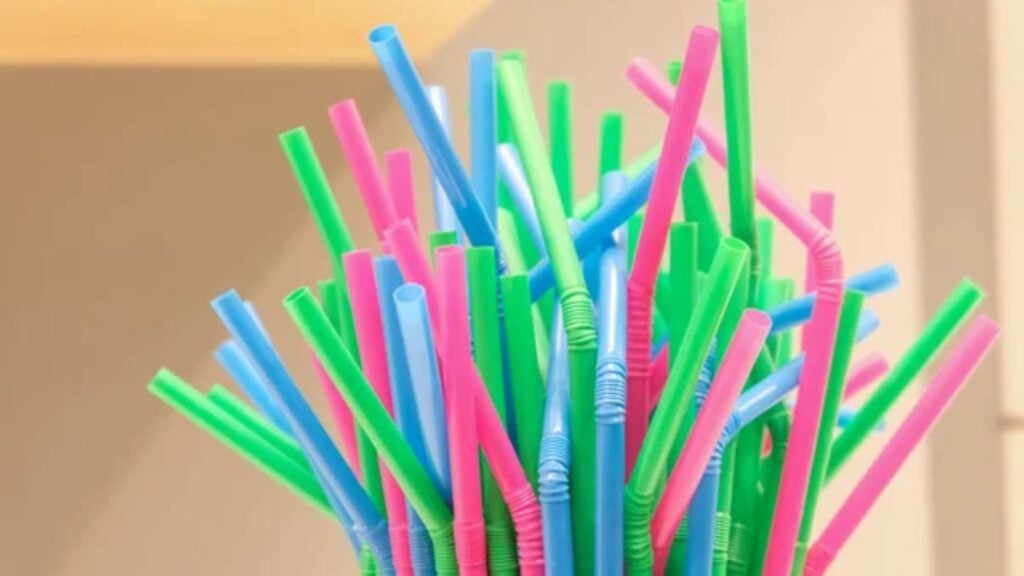
Plastic straws are too small for most recycling equipment.
Instead of being sorted, they often fall through the machinery and end up as landfill waste. Reusable metal, glass, or silicone straws are a longer-lasting option for anyone who uses them regularly.
Disposable Coffee Cups
Paper coffee cups aren’t made entirely from paper.
The inside is lined with a thin plastic coating that keeps liquids from soaking through, but that same coating makes the cups difficult for most recycling facilities to process.
Unless your local recycling program says otherwise, they’re usually destined for the trash.
Related: How to Use Coffee Grounds to Repel Mosquitoes
Ceramics
Broken coffee mugs, plates, bowls, and other ceramic dishes don’t belong with glass recycling.
Ceramics melt at different temperatures than bottles and jars, which can create problems during manufacturing. If an item is still in good condition, donating it is a better option. Broken pieces usually need to be thrown away.
Light Bulbs
Many light bulbs require special disposal.
Compact fluorescent bulbs contain small amounts of mercury, while LED bulbs contain electronic components that shouldn’t go into household recycling bins. Many hardware stores and local recycling centers offer collection programs for used bulbs.
Electronics
Old phones, tablets, computers, cords, and other electronics contain valuable metals that can be recovered, but they also contain materials that require careful handling.
Instead of placing them in your recycling bin, look for an e-waste recycling event or a certified electronics recycling center.
Batteries
Batteries should never go into your recycling or trash bin without checking local guidelines.
Many contain chemicals that can leak or even start fires if damaged. Rechargeable batteries, lithium batteries, and button batteries are accepted through many retailer collection programs and community recycling events.
Broken Glass
Glass bottles and jars are often recyclable, but broken glass is a different story.
Sharp shards create safety risks for workers and are difficult to sort properly. Unless your local recycling facility specifically accepts broken glass, wrap it carefully and dispose of it with your household trash.
Learning what doesn’t belong in the recycling bin changed the way I sort my household waste. A few small changes can help keep recyclable materials cleaner, reduce contamination, and give more items a better chance of actually being recycled.