Most kitchen scraps end up in the trash without a second thought. Once you’ve finished cooking, it’s easy to scrape everything into the bin and move on. But quite a few of those leftovers can still be useful outside.
Eggshells, coffee grounds, vegetable ends, and fruit peels can be added to compost, worked into soil, or used in other simple garden projects. Some scraps provide organic matter and nutrients, while others can be useful for regrowing vegetables or making better use of your compost pile.
You don’t need to save every piece of food waste. A handful of common kitchen scraps are worth keeping, especially if you already garden or compost.
Here are 10 kitchen scraps that can have a second life in your garden.
Eggshells
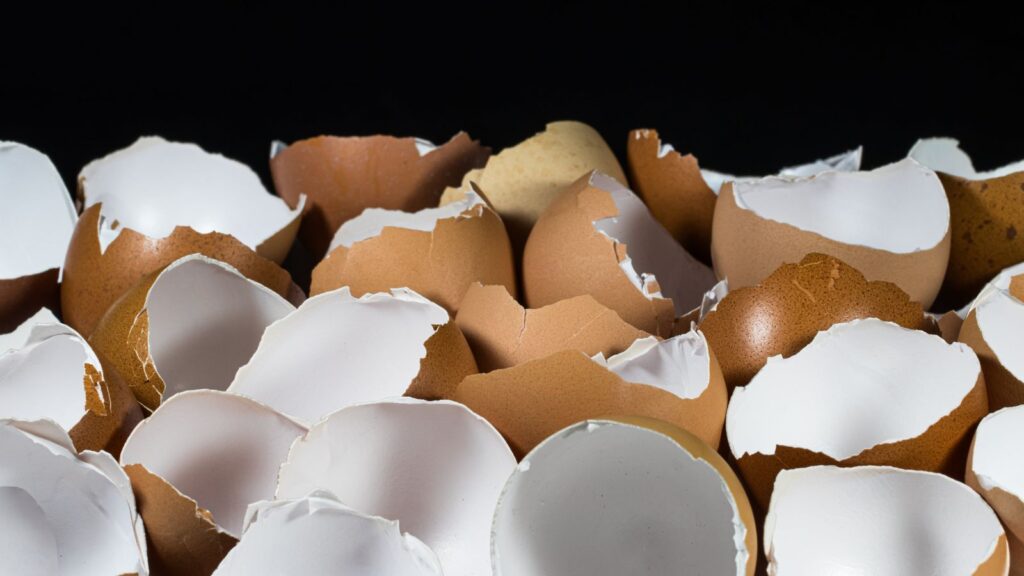
Eggshells are one of the easiest kitchen scraps to save. They contain calcium carbonate, which can eventually add calcium to the soil as the shells break down.
Rinse the shells, let them dry, and crush them into small pieces before adding them to your garden or compost. Finely ground shells break down more readily than large pieces.
Crushed eggshells are also sometimes scattered around plants as a rough barrier against slugs and snails. This isn’t a guaranteed pest solution, but it can be a simple way to put the shells to use instead of throwing them away.
Related: I Save My Eggshells for This Brilliant Outdoor Hack
Coffee Grounds
Used coffee grounds contain organic matter and some nitrogen, making them a useful addition to compost. They can also be mixed into garden soil in small amounts.
One mistake is dumping a thick layer of grounds around plants. Wet grounds can pack together and form a dense layer that makes it harder for water and air to move through the soil.
A better option is to mix used grounds into compost or spread a thin layer over the soil. Once incorporated, they can contribute organic matter without creating a heavy mat around your plants.
Banana Peels
Banana peels contain potassium and other nutrients, and they break down into organic matter as they decompose.
Cut the peels into smaller pieces before adding them to compost or burying them in the soil. Smaller pieces decompose more readily and are less likely to become a tempting snack for pests.
Burying banana peels a few inches below the surface can also keep them out of sight while they break down.
Citrus Peels
Orange, lemon, lime, and grapefruit peels don’t need to go straight into the garbage. Chopped citrus peels can be added to a compost pile, where they will eventually break down with other organic materials.
Their strong scent may also make certain areas less appealing to some pests, although citrus peels shouldn’t be treated as a reliable pest-control method.
Since thick pieces of citrus peel can take a while to decompose, cutting them into smaller pieces can help.
Related: Stop Throwing Away Orange Peels — Some Call Them Trash, Others Call Them Kitchen Gold
Onion and Garlic Skins
Those dry onion and garlic skins that usually get swept straight into the trash can go into the compost instead.
They add organic material as they break down, and the papery skins can be mixed with other kitchen scraps and yard waste. They may take a little longer to break down than softer food scraps, so cutting or crushing them first can help.
If you’re already adding everyday items to your compost pile, onion and garlic skins are easy additions.
Tea Leaves
Used tea leaves can go into a compost pile or be mixed into garden soil. They add organic material and small amounts of nutrients while contributing to the material that feeds soil organisms.
If you’re using tea bags, check what the bag itself is made from before adding the whole thing to your compost. Some bags contain plastic or other materials that don’t belong in a home compost pile.
Loose tea leaves are an easy choice because there is no bag to deal with.
Lettuce Cores and Vegetable Ends
Some vegetable scraps can give you a second harvest instead of going straight into the compost.
Lettuce bases, celery ends, and green onion roots can sometimes produce fresh growth when placed in shallow water near a sunny window. Once roots or new growth appear, some can be moved into soil and grown for another harvest.
The results vary by vegetable, so don’t expect every kitchen scrap to turn into a full-size plant. Still, it’s a fun experiment and costs nothing to try.
Potato Peels
Potato peels contain organic matter and nutrients that can return to the soil through composting.
Adding potato peels to a compost pile is usually a better choice than burying large amounts directly in the garden. Composting gives them time to break down before the finished material is added to your plants.
Skip potato scraps from diseased potatoes. Plant diseases can survive in organic material and may cause problems if infected scraps are returned to the garden.
Bean Water and Aquafaba
The liquid left from cooking beans or draining canned chickpeas is often called aquafaba. It contains starches and other compounds from the beans, but it isn’t a magic fertilizer.
If you want to reuse it in the garden, stick with plain, unsalted cooking liquid and dilute it well. Avoid liquids containing salt, seasonings, oils, sauces, or other ingredients that could damage plants or build up in the soil.
For many gardeners, adding plain bean water to the compost pile is the easier option.
Spicy Pepper Scraps
Those leftover pepper stems, seeds, and pieces can go into the compost pile, too. Hot peppers contain capsaicin, which gives them their heat.
Some gardeners also use hot pepper scraps in homemade pest deterrents, since the compounds that make peppers spicy can irritate animals and insects. Results can vary, so this shouldn’t replace proven pest-control methods.
If you’re handling hot pepper scraps, be careful around your eyes and wash your hands well afterward.
Kitchen waste doesn’t always have to end its life in the trash. A lot of scraps can be composted, returned to the soil, or used to grow something new. Once you get into the habit of saving a few useful leftovers, you may find that your trash can fills up a little more slowly and your garden gets more use out of what your kitchen already produces.
Other Topics You Might Like
- 13 Gardening Antiques Collectors Love and Often Pay Up For
- I Stopped Buying Fertilizers After Years of Gardening and Started Using This Instead
- Some of the Best Gardening Tips I Ever Got That Break All the Rules
- 9 Vintage Gardening Tools Hiding in Grandma’s Potting Shed— Some Could Be Worth a Small Fortune