
When the weather turns cold, most of us end up spending more time at home. At first, it can feel relaxing. Then after a while, the quiet starts to feel different. Rooms can seem a little emptier, the days a little longer, and home can lose some of the comfort it’s supposed to bring.
Cold weather has a way of slowing everything down. You notice the lighting in a room, the spot where you always sit, the feeling of wrapping up in a blanket at the end of the day. Small things suddenly matter more.
That’s usually what makes a home feel cozy in winter anyway. Not expensive upgrades or perfectly styled spaces, but simple comforts that make being indoors feel softer, warmer, and more lived in. A lamp was left on in the corner. A warm drink before bed. Extra blankets within reach. Little things that make a house feel less cold and quiet.
Most of the time, creating that feeling doesn’t take much money or effort. A few thoughtful changes can make a home feel more comforting during the colder months and turn being inside into something you actually look forward to.
Make the Bedroom More Inviting
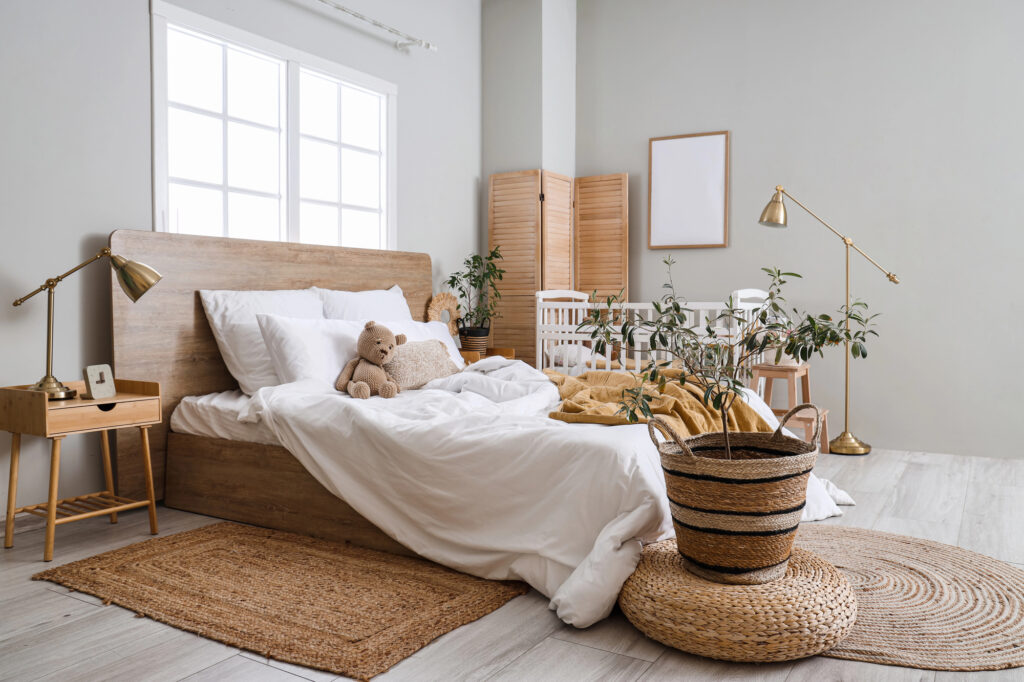
Cold weather makes a comfortable bedroom even more important. Swapping lighter bedding for warmer materials, such as flannel sheets, quilts, or extra blankets, can make nights feel more comfortable.
Small details matter here: a softer bathmat, warmer lighting, or keeping a cozy throw at the foot of the bed. These changes make the room feel more supportive at the end of the day.
Bring Nature Indoors
Plants can make a noticeable difference during colder months. They add color, life, and variety to a space that might otherwise feel static. Even one or two plants can soften a room and make it feel more lived in.
You don’t need anything elaborate. A houseplant near a window, fresh flowers on the table, or cut branches from outdoors can help create a sense of balance and calm. Plants are also easy to move, making it simple to change a room’s feel without buying anything new.
Clear Visual Clutter First
Before adding warmth, it helps to remove distractions. Too much clutter can make a space feel busy or stressful, which works against any cozy intentions.
Editing your space allows what remains to stand out. When surfaces are clearer, and rooms feel more open, they naturally feel calmer and more comfortable. A well-edited space tends to feel warmer than one filled with too many competing elements.
Display Meaningful Items Thoughtfully
Personal items can add warmth when they’re chosen with care. Photos, artwork, family pieces, or travel mementos help a space feel personal rather than generic.
The key is restraint. Choose fewer items that truly matter, and give them space. When meaningful objects are displayed intentionally, they add comfort without making a room feel crowded or overwhelming.
Create Purposeful Areas
Rearranging furniture can make a familiar room feel new. Creating small, purpose-driven areas, such as a reading chair by a window or a spot for morning coffee, adds structure to days spent indoors.
These zones don’t require more furniture; they just need clearer intention. When rooms are arranged around how you actually use them, staying home feels less monotonous and more grounding.
Layer Comfort Through Light, Texture, and Sound
Comfort comes from more than how a room looks. Lighting, texture, and sound all contribute to how a space feels.
Use multiple light sources rather than relying solely on overhead lighting. Lamps with warm bulbs create a softer atmosphere. Add textiles like throws, rugs, or pillows to introduce warmth and texture. Quiet background music or occasional fresh air can also change how a room feels without much effort.
Color can help too, but it doesn’t need to be dark or dramatic. Choose shades that feel calming and familiar to you.
Add Simple, Comforting Rituals
Simple routines help make staying inside feel intentional. Lighting candles, cooking something warm, or setting up a place to read or relax gives structure to quiet evenings.
These moments don’t need to be elaborate. The goal isn’t to fill every moment, but to make time at home feel comforting rather than empty.
Let Comfort Be Enough
Cold seasons encourage us to slow down. Instead of trying to make home feel exciting, focus on making it feel steady and welcoming.
Small comforts add up. When your home supports how you live, being inside feels less isolating and more like a place to rest and reset.