Most decluttering advice tells you to take it slow. Start with one drawer, work through one shelf, put a few things away, and come back to the rest another day. The Chaos Method takes almost the exact opposite approach.
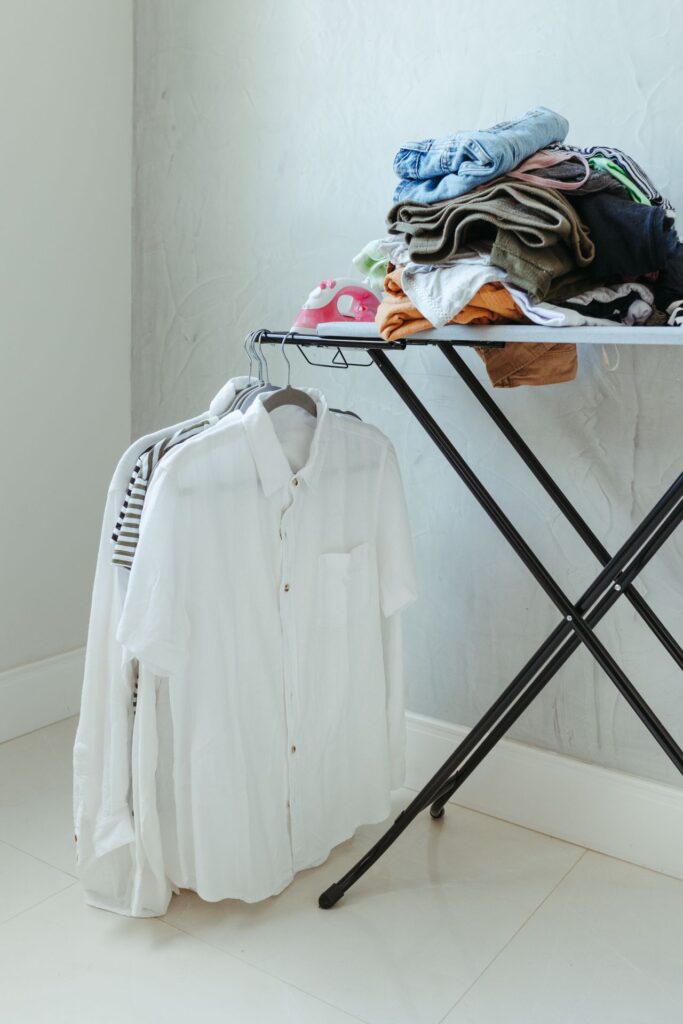
Instead of carefully working around the clutter, you pull everything out and put it where you can see it. And yes, for a while, your room will probably look significantly worse than when you started.
But that’s also what makes this method interesting. When everything is sitting in front of you, there’s no moving things from one drawer to another or forgetting about the three nearly identical items stored in different places. You have to deal with what you actually own.
It sounds a little extreme, especially if making a bigger mess is the last thing you want. But for a space that has become a catch-all for months or even years, a little temporary chaos may be exactly what finally gets it organized.
What Is the Chaos Method?
The Chaos Method is a decluttering strategy popularized by professional organizer Kim Jones of Lock & Key Home. Rather than sorting through a space one small section at a time, you empty the area you’re working on and deal with everything at once.
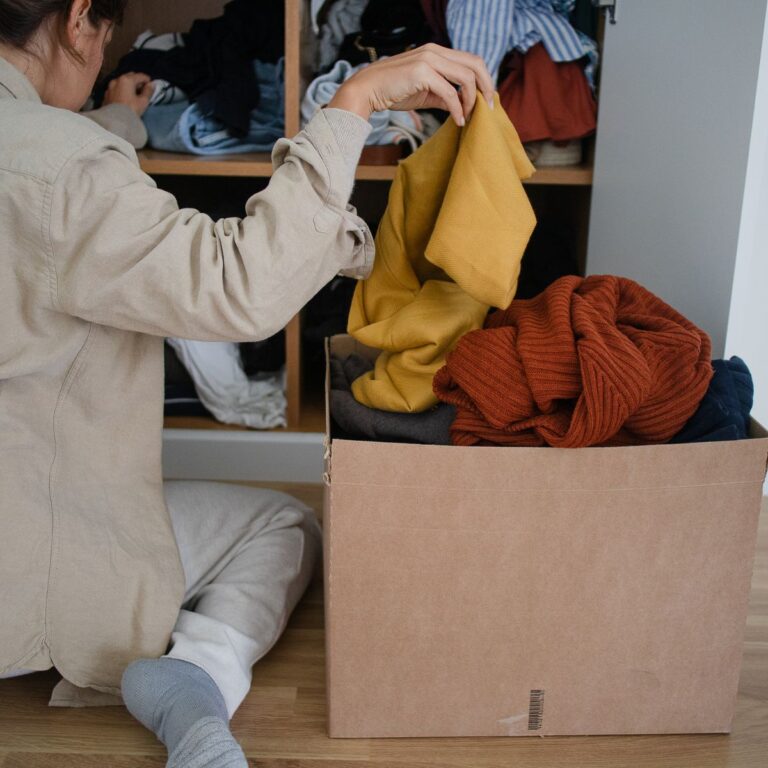
That might mean taking every piece of clothing out of a closet, emptying all the drawers in a dresser, or pulling everything out of a cluttered guest room. Once it’s out, you sort what you see into categories before deciding what stays and where it belongs.
The idea is pretty simple: it’s much harder to ignore how much you own when it’s all sitting in front of you.
You might discover you have six reusable water bottles, a pile of paperwork you haven’t touched in two years, or three boxes filled with miscellaneous items you kept because you didn’t know where else to put them. Those things are easy to overlook when they’re spread throughout the house.
Why Making a Bigger Mess Can Actually Help
Normally, creating a giant pile in the middle of the floor would be the opposite of good organizing advice. With the Chaos Method, however, that mess serves a purpose.
Emptying the space gives you a blank slate while also forcing you to decide what to do with everything before putting it back. Instead of automatically returning something to the drawer where it has lived for years, you’re more likely to stop and ask whether you still need it.
It also makes duplicates much easier to spot. You may not realize how many candles, craft supplies, charging cables, notebooks, or black T-shirts you own until they’re grouped together.
And perhaps most importantly, you can’t simply close the closet door and walk away. Once your belongings are covering the bed or floor, you’ll have a strong incentive to finish the job.
Related: 15 Decluttering Mistakes That Can Mess Up Your Home’s Organization
Start With One Manageable Space
The word “chaos” doesn’t mean you need to empty your entire house onto the floor. In fact, doing too much at once could turn a useful method into an overwhelming project.
Choose an area you can realistically finish in the amount of time you have. A closet, bathroom cabinet, dresser, pantry, home office, or cluttered guest room can all work.
If you’re trying this for the first time, a smaller area may be the better test. You can always tackle a larger room once you know how quickly you work.
Take Everything Out
Here’s the part that can feel completely wrong: remove everything. Empty the drawers. Pull things off shelves. Open the boxes you’ve been avoiding. Take everything out of bags and baskets so you can actually see what’s inside.
Don’t worry about making it pretty yet. At this stage, you’re simply exposing what has accumulated.
Seeing everything together can be uncomfortable, particularly if you’ve been avoiding the space for a while. But that’s part of why the method works: you finally get an accurate picture of what you’re dealing with instead of organizing around it.
Create Categories Before You Start Putting Things Away
Once everything is out, resist the urge to immediately start putting things back in drawers and cabinets. Sort first.
Sticky notes can make this surprisingly easy. Place labels around the room for categories such as paperwork, clothing, electronics, books, craft supplies, toys, or whatever makes sense for the space you’re working on.
You can also create separate areas for things you’re keeping, donating, selling, recycling, or throwing away. As those piles form, you’ll start seeing patterns. A random assortment of objects suddenly becomes a category you can actually deal with.
Be Ruthless About the Things You Don’t Need
The Chaos Method works best when you don’t spend ten minutes negotiating with yourself over every item. If something is broken, expired, no longer fits, hasn’t been used in years, or has been sitting around waiting for a hypothetical future purpose, ask whether it’s worth giving it space again.
That doesn’t mean you need to follow an arbitrary “six-month rule.” Seasonal items, sentimental belongings, tools, and plenty of other things may be worth keeping even if you don’t use them regularly.
The better question is whether you’d intentionally choose to put the item back into your home today.
Keep the “Maybe” Pile Small
A giant maybe pile can quickly defeat the purpose of the entire exercise. Suddenly, you’ve made hundreds of decisions only to create another pile you’ll have to deal with later.
Give yourself some room for genuinely difficult decisions, but don’t let “maybe” become the default answer. If you’re unsure about nearly everything, go through the pile again once you’ve finished sorting the obvious items.
Seeing how much you’re already keeping can make those borderline decisions much easier.
Get Donations and Trash Out Immediately
This step matters more than it seems. Once you’ve decided something is leaving, move it toward the exit. Put donation bags in the car, take trash outside, place recycling where it belongs, and box up anything you’re actually planning to sell.
Otherwise, those bags have an annoying habit of sitting in a hallway for three weeks before slowly working their way back into the house.
If you’re selling things, give yourself a deadline. An item that’s worth $8 isn’t necessarily worth storing for another six months while you wait for someone to buy it.
Give Everything You’re Keeping a Real Home
Decluttering is only half the process. Now you have to figure out where everything that survived the purge should live.
Start with the things you use most often and give them the easiest-to-reach spots. Items you rarely need can go higher up, farther back, or into less convenient storage.
Try to store similar items together, too. If all your batteries, paperwork or craft supplies live in one location, you’ll know what you already own before buying more.
And don’t feel obligated to refill every empty shelf or drawer. That extra breathing room is part of the payoff.
Who the Chaos Method Works Best For
This approach probably isn’t ideal for everyone. If seeing a large amount of clutter at once makes you want to abandon the project completely, a slower room-by-room or drawer-by-drawer method may be a better fit.
But the Chaos Method can be particularly useful for those spaces where traditional tidying hasn’t worked. Think overflowing closets, junk rooms, garages, craft spaces, storage rooms and anywhere else you’ve spent years rearranging the same belongings.
Sometimes the problem isn’t that you haven’t organized everything well enough. You simply haven’t seen everything together long enough to decide what deserves to stay.
The Mess Is Temporary
The strangest part of the Chaos Method is that success initially looks like failure. Halfway through, you’ll probably have piles everywhere and wonder why you ever started.
But the mess has a job. It removes all the hiding places clutter normally has and forces you to make decisions before putting your home back together.
By the end, you’re not simply returning everything to prettier containers. You’re putting back fewer things, grouping them in ways that make sense, and creating a space that’s easier to maintain.
Sometimes making one big mess is exactly what it takes to finally stop rearranging the smaller ones.