
For many people, donating to Goodwill feels like an easy way to declutter while supporting a charitable organization. But according to current and former Goodwill employees, some donation habits create far more work than donors realize.
In a recent online discussion, workers shared the behaviors that frustrate them most. While employees appreciate quality donations, they say a little planning and consideration can make a huge difference for the people handling items behind the scenes.
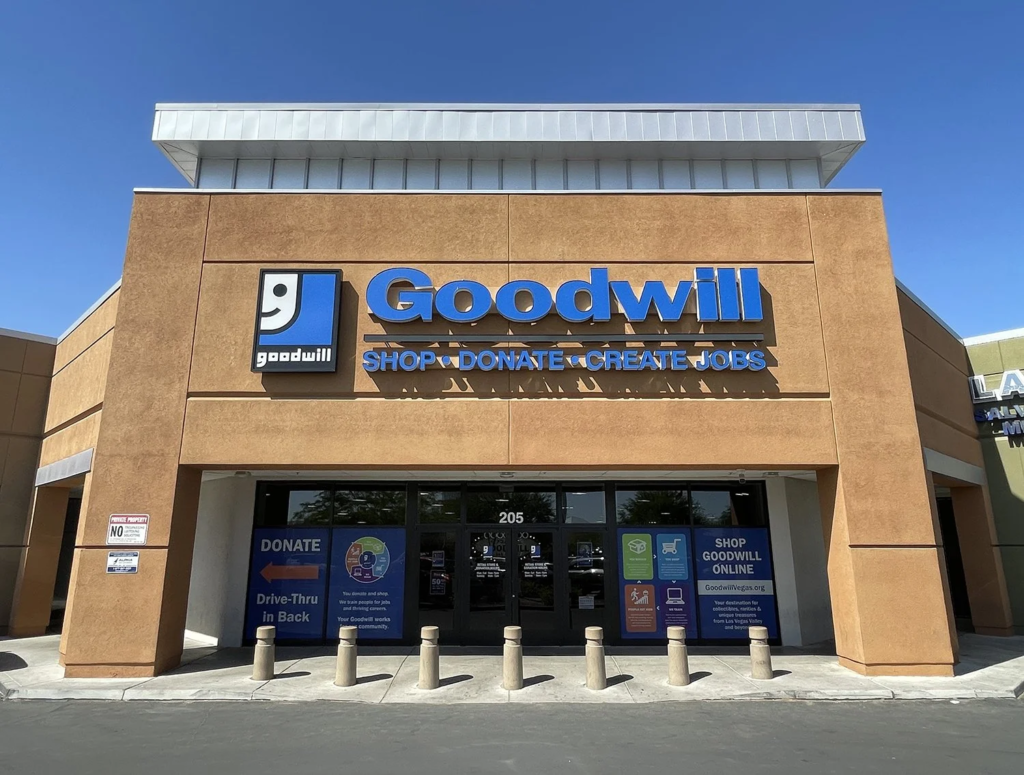
Leaving Donations Outside After Hours
One of the most common complaints involved people dropping bags, boxes, and furniture outside donation doors after the store has closed. Employees say these items can be damaged by rain, scattered by animals, or picked through overnight before they ever make it inside.
Showing Up Minutes Before Closing
Many Goodwill workers said they regularly receive calls from people asking if they can make a last-minute donation right before closing. While a small bag of clothes may not seem like a big deal, large furniture pieces and multiple boxes often require employees to stay late after an already long shift.
Using Goodwill as a Free Dump
Several workers said some people treat Goodwill like an alternative to the landfill. Instead of donating usable items, they leave broken furniture, damaged household goods, and other items that have little to no chance of being sold.
Donating Broken or Unusable Items
Employees understand that secondhand items won’t be perfect, but there’s a difference between gently used and completely unusable. Broken furniture, damaged electronics, and heavily worn household goods often end up costing Goodwill time and money to dispose of.
Related: 8 Items Goodwill Refuses to Accept and Where You Can Donate Them Instead
Leaving Furniture Exposed to the Weather
Goodwill employees shared stories of arriving in the morning to find sofas, chairs, and other donations soaked from overnight rain. Once furniture becomes wet or moldy, it usually can’t be sold and often has to be thrown away.
Ignoring Posted Donation Hours
Many donation centers have specific hours for accepting donations, even if the retail store remains open longer. Employees say one of their biggest frustrations is when people ignore signs and assume staff can process donations at any time.
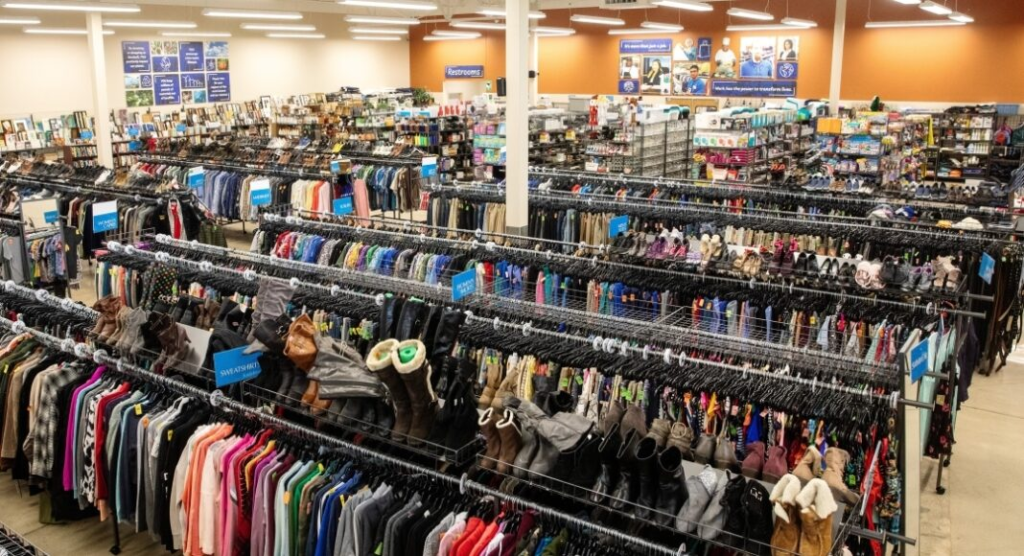
Donating Items the Store Doesn’t Accept
Every Goodwill location has guidelines about what can and cannot be donated. Workers frequently encounter items that are prohibited, unsafe, recalled, or simply too large for the store to handle, creating additional work for staff.
Related: 5 Items Food Pantries Wish People Would Stop Donating
Assuming Every Donation Makes It to the Sales Floor
Many donors believe everything they drop off will eventually be sold. Employees say that’s far from reality, as damaged, unsafe, dirty, or unsellable items are often discarded before customers ever see them.
Forgetting Employees Are the Ones Handling It
One recurring theme throughout the discussion was that frustration with Goodwill as a company often gets directed at front-line workers. Employees emphasized that they aren’t setting prices or making corporate decisions; they’re simply the people sorting, lifting, cleaning, and processing donations every day.
Dropping Off Oversized Furniture Without Warning
A few bags of clothing are usually easy to handle. Large sectionals, entertainment centers, mattresses, and bulky furniture can quickly overwhelm limited donation areas and create logistical challenges for employees.
Related: Don’t Rent a Dumpster Yet—ReStore May Pick Up Your Old Cabinets and Building Materials for Free
Using Donations to Avoid Disposal Costs
Workers noted that some donors appear more interested in avoiding landfill fees than making a genuine donation. When items are clearly broken, heavily damaged, or unusable, employees often feel they’re being asked to dispose of someone’s trash rather than process a charitable contribution.
Assuming Someone Else Will Clean Up the Mess
Perhaps the biggest frustration of all is the belief that leaving items outside isn’t a big deal because “someone will take care of it.” According to employees, someone is usually a Goodwill worker who arrives the next morning and has to sort through everything before the store can even begin its day.