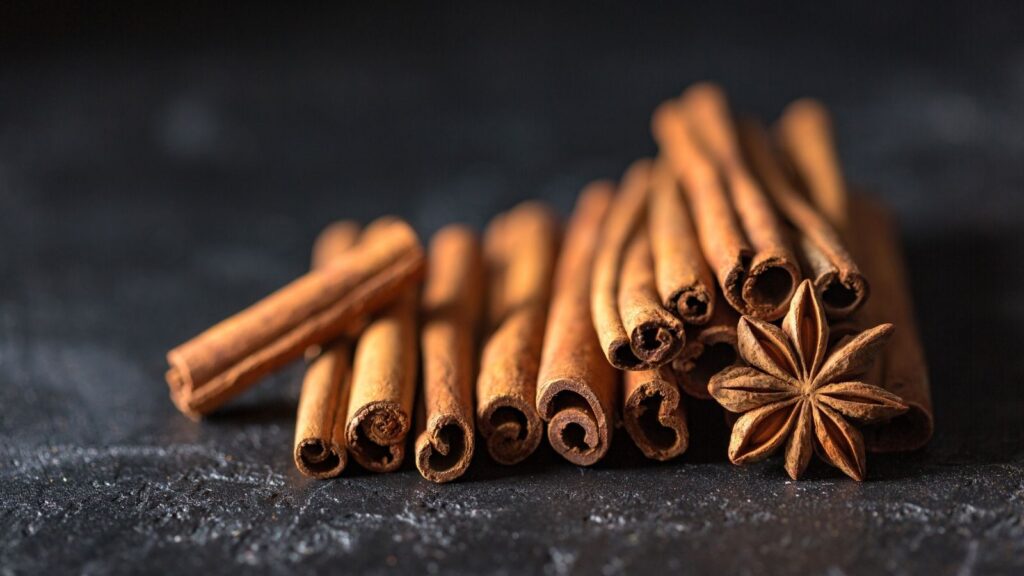
Most of us keep cinnamon in the kitchen for oatmeal, baked goods, coffee, and all sorts of recipes. But that little jar can also come in handy in the garden.
Cinnamon has natural antifungal and antibacterial properties, which is why some gardeners use it for minor plant and soil problems. It isn’t a cure-all, and it won’t replace good watering habits or proper plant care, but it can be a handy household item to have around.
Here are some of the ways gardeners use cinnamon on and around their plants.
Helps Prevent Damping-Off Disease
Starting seeds can be exciting until healthy little seedlings suddenly wilt at the base and fall over. This is often a sign of damping-off, a fungal problem that can affect young plants.
Some gardeners sprinkle a thin layer of cinnamon over seed-starting soil because its antifungal properties may help limit fungal growth. A light dusting is all that’s needed; covering the soil heavily isn’t necessary.
Protects Fresh Plant Wounds
Pruning and dividing plants can leave small cuts on stems and roots. Accidental damage can do the same thing.
A small amount of cinnamon applied to a fresh plant cut may help keep fungi from settling into the wound while it heals. It can be especially handy after pruning or taking cuttings, though it shouldn’t be treated as a replacement for proper plant care.
Discourages Fungus Gnats in Houseplants
Fungus gnats are a common headache for indoor gardeners. These tiny flies tend to show up when potting soil stays damp for long periods.
Some plant owners sprinkle a little cinnamon over the surface of the soil to discourage fungal growth, which may make the area less appealing to fungus gnats. If you’re dealing with a larger infestation, you’ll still need to address the moisture level and use other pest-control methods.
May Help Deter Ants
Ants don’t seem to care for strong scents, and cinnamon is one of the household remedies gardeners sometimes try around containers and garden beds.
Sprinkling cinnamon along ant trails or near the base of plants may encourage ants to move elsewhere. It won’t solve every ant problem, but it can be an easy thing to try before reaching for a stronger treatment.
Helps Reduce Mold on Soil Surfaces
White or fuzzy mold can sometimes appear on the surface of potting soil, especially when plants are kept in warm, damp conditions.
A light sprinkling of cinnamon may help slow surface fungal growth. Still, take a look at the watering routine too. Letting the top layer of soil dry when appropriate and improving airflow can often do more to prevent the mold from coming back.
Can Be Used on Plant Cuttings
Propagating plants from cuttings can be a fun and inexpensive way to grow more of your favorite plants. Some gardeners dip the cut end of a cutting in cinnamon before placing it in soil.
Cinnamon isn’t a rooting hormone, so it won’t make roots appear by itself. Its possible benefit is more about helping protect the fresh cut from fungal problems while the cutting gets established.
Related: Houseplant Hacks That Actually Work, Even If You’ve “Killed Every Plant Before This”
Discourages Some Garden Pests
The strong smell of cinnamon may bother some pests and animals that like to dig around freshly planted soil. Gardeners sometimes sprinkle it around beds and containers to discourage squirrels, mice, and other unwanted visitors.
Results can be hit or miss, so don’t expect cinnamon alone to keep a determined pest away. It can still be part of a larger plan for protecting your plants.
Related: Home & Garden Pest Control Guide Printable PDF
Helps Keep Seed Trays Healthier
Seed trays can become breeding grounds for fungal problems if the soil stays wet and the air around the seedlings is humid.
A small amount of cinnamon sprinkled over the surface of the seed-starting mix may help limit fungal growth. Good drainage, clean containers, proper watering, and enough airflow are still the best ways to keep young seedlings in good shape.
May Suppress Small Mushrooms
Finding tiny mushrooms popping up in a plant pot can be surprising, but they usually point to moist soil and plenty of organic material.
Cinnamon may help discourage some surface fungal growth, but it won’t fix the reason mushrooms are appearing. Check how often you’re watering and whether the soil has enough time to dry between waterings.
A Handy Household Garden Helper
Cinnamon won’t solve every plant problem, but it’s cheap, easy to find, and already sitting in many kitchen cabinets. For minor fungal issues, fresh cuttings, seed trays, and a few common garden pests, it may be worth trying.
Just keep expectations realistic. Healthy plants still need the right amount of water, good drainage, suitable light, and proper care. Cinnamon works best as a small extra step rather than the main solution to a plant problem.
Other Topics You Might Like
- 13 Gardening Antiques Collectors Love and Often Pay Up For
- I Stopped Buying Fertilizers After Years of Gardening and Started Using This Instead
- Some of the Best Gardening Tips I Ever Got That Break All the Rules
- 9 Vintage Gardening Tools Hiding in Grandma’s Potting Shed— Some Could Be Worth a Small Fortune