A trip to the garden center can make it easy to assume that anything sitting on a store shelf is fair game for your backyard. Unfortunately, that isn’t always true. Some plants are restricted or banned in certain states because they can spread into natural areas, damage crops, crowd out native species, or pose risks to people and animals.
The rules also vary from one state or locality to another, so a plant that’s fine to grow in one place may be prohibited in another. Before buying an unusual plant or bringing one home from a friend, check the rules where you live.
Here are 12 plants that are restricted or subject to legal restrictions in different parts of the United States.
Japanese Honeysuckle
Japanese honeysuckle is easy to recognize by its fragrant flowers and fast-growing vines. The problem is that it can spread far beyond where it was planted, covering shrubs, trees, and other vegetation.
It has become an invasive plant across much of the country, and some states or local areas regulate its sale or cultivation. If you already have it growing on your property, check with your local extension office before deciding how to remove it.
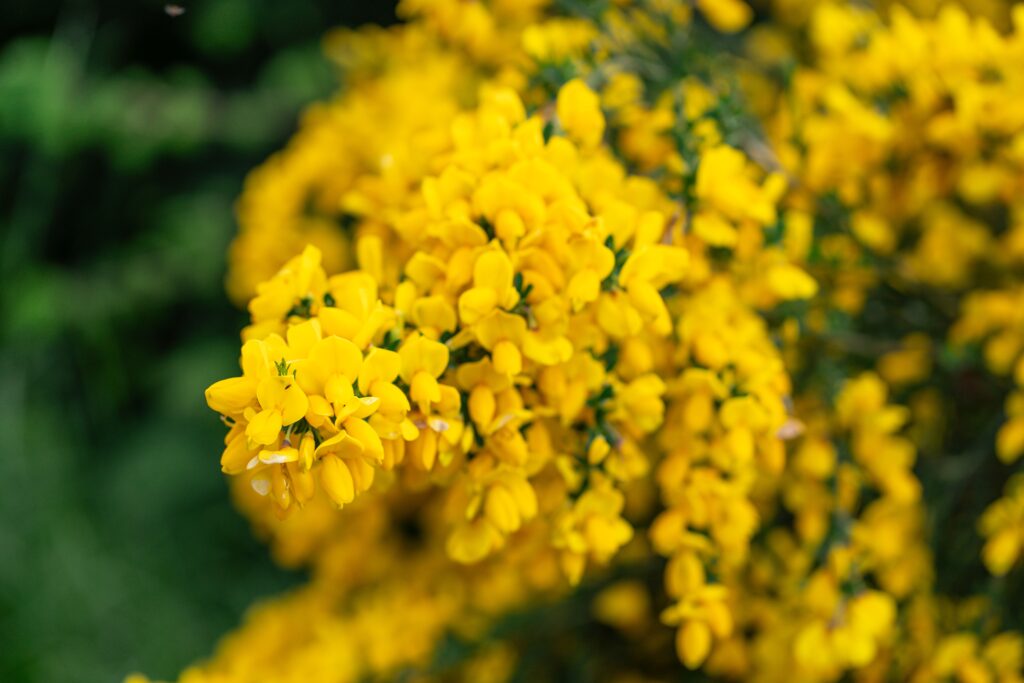
Scotch Broom
Those bright yellow flowers can make Scotch broom look like an attractive garden plant, but this shrub can become a serious problem once it escapes into the wild.
Scotch broom forms dense patches that compete with native plants for sunlight, water, and space. It is considered invasive in several western states, where restrictions may apply.
Related: Do Not Plant These in Summer—They’ll Wilt, Burn, or Die Before the Season Ends
Kudzu
Kudzu earned its reputation as one of the country’s most troublesome invasive vines for good reason. Once established, it can cover trees, fences, buildings, and large areas of ground.
The vine grows aggressively and can smother other plants beneath it. Several states have laws restricting kudzu, including rules against planting or selling it.
Giant Hogweed
Giant hogweed is a plant you definitely don’t want to handle casually. It can grow several feet tall, and its sap can cause painful skin reactions and severe burns when exposed to sunlight.
Because of the danger it poses to people and its invasive nature, giant hogweed is regulated in various states. If you spot a suspected plant, avoid touching it and contact your local extension office or weed-control authority for advice.
Water Hyacinth
Water hyacinth is easy to admire because of its attractive purple flowers and floating leaves. In warm conditions, though, it can multiply quickly and spread across ponds, lakes, and other waterways.
Large mats can interfere with boating, fishing, water flow, and native aquatic plants. For that reason, water hyacinth is restricted or prohibited in a number of states.
Purple Loosestrife
Purple loosestrife adds tall spikes of purple flowers to a garden, but its ability to spread has made it a serious concern around wetlands.
A single plant can produce a huge number of seeds, allowing it to establish dense colonies. Those colonies can push out native wetland plants and alter the habitat for wildlife. Several states regulate purple loosestrife.
Japanese Barberry
Japanese barberry was once a popular landscaping shrub because it is hardy and easy to grow. Over time, concerns about its spread into forests and other natural areas have led some states to restrict it.
The shrub can form thick patches that make it difficult for native plants to grow. Research has also connected areas with dense Japanese barberry growth to conditions that can favor blacklegged ticks.
Related: The Houseplant Gnat Problem Most Plant Owners Deal With
Garlic Mustard
Garlic mustard may look like an ordinary leafy plant, but it can cause trouble in wooded areas. It spreads readily and can take over sections of forest understory.
The plant can also interfere with other vegetation by changing conditions in the soil. Some states and local programs work to control garlic mustard rather than allowing it to spread through gardens and nearby natural areas.
Cogongrass
Cogongrass is a particularly troublesome invasive grass. It spreads through underground rhizomes and can form thick stands that crowd out native vegetation.
Its sharp leaves can also be unpleasant to handle, and dense stands can create additional fire concerns in areas where the grass becomes established. Several states have restrictions on cogongrass, including rules concerning its movement and cultivation.
Myrtle Spurge
Myrtle spurge is sometimes grown as an ornamental succulent because of its unusual appearance and ability to tolerate dry conditions. In parts of the western United States, though, it has become an invasive plant concern.
Its sap can also irritate the skin and cause painful reactions, especially after exposure to sunlight. Some states and communities have placed restrictions on the plant, so check local rules before adding it to your yard.
Related: Sprinkle Cinnamon on Your Plants — Here’s What It Does
Opium Poppy
The opium poppy can cause confusion because plenty of other poppy varieties are perfectly legal to grow as ornamentals. The opium poppy, though, has a very different legal status because it contains compounds that can be used to produce controlled substances.
Federal and state laws can make cultivating it legally complicated, even if someone intends to grow it simply for its flowers. Before planting poppies from seed, check the species and the laws that apply in your area.
Khat
Khat is an uncommon garden plant in the United States, but it is worth mentioning because its leaves contain cathinone, a stimulant that is classified as a controlled substance under federal law.
Growing or possessing khat can carry legal consequences. It isn’t the sort of plant to add to a backyard garden without first checking federal and state laws.
Check Before You Plant
Plant laws aren’t the same across the country. Some species are banned statewide, while others may be restricted only in certain counties, cities, or agricultural areas. Rules can also change over time.
If you’re unsure about a plant, check with your state’s department of agriculture or a local Cooperative Extension office before buying, planting, or moving it. A quick check can save you from having to remove a prohibited plant later.
Other Topics You Might Like
- 13 Gardening Antiques Collectors Love and Often Pay Up For
- I Stopped Buying Fertilizers After Years of Gardening and Started Using This Instead
- Some of the Best Gardening Tips I Ever Got That Break All the Rules
- 9 Vintage Gardening Tools Hiding in Grandma’s Potting Shed— Some Could Be Worth a Small Fortune