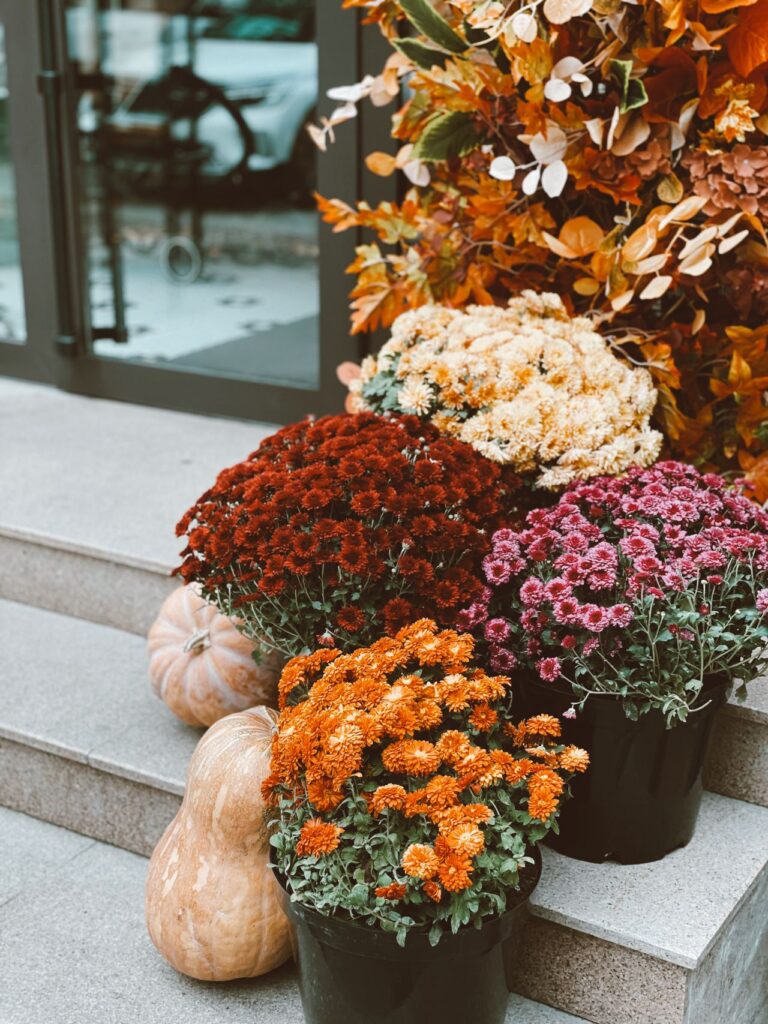
You bring home a gorgeous pot of mums covered in flowers, set it on the porch, and for a few days it looks like the perfect fall decoration. Then the blooms start turning brown, the leaves droop, and suddenly that beautiful plant you just bought looks like it is already on its way out.
Mums (Chrysanthemum spp.) can provide weeks of fall color, but how long they last depends a lot on the plant you choose and what happens after you bring it home. From buying mums that are already past their prime to letting a container dry out for just a little too long, these common mistakes could explain why yours aren’t lasting nearly as long as you expected.
You Bought the Prettiest Mum at the Store
It’s hard to pass up a mum completely covered in colorful flowers, but the fullest-looking plant isn’t necessarily the best one to bring home. If most of the flowers are already open, you’re essentially buying the plant partway through its bloom cycle.
Instead, look for a healthy plant covered with tight buds and only a few flowers beginning to open. It may not look as impressive in your cart, but you’ll get to enjoy those buds opening gradually at home rather than watching already-mature flowers quickly fade.
The Pot Dried Out
One of the easiest ways to lose a potted mum is to underestimate just how thirsty it can be. The large, bushy plants sold in relatively small nursery containers can dry out surprisingly quickly, particularly during warm, sunny, or windy fall weather.
Check the soil regularly rather than relying on a set watering schedule. If it feels dry, water thoroughly so moisture reaches the entire root ball, and don’t wait until the leaves are noticeably wilted before watering.
You’re Pouring Water Over the Flowers
When a mum needs water, it can be tempting to grab the hose and shower the entire plant. Regularly soaking the flowers isn’t ideal, however, since wet blooms can deteriorate more quickly and may be more susceptible to disease.
Instead, direct water toward the soil beneath the foliage. If the root ball has become extremely dry and water runs straight through the container, briefly soaking the pot or root ball can help rehydrate it more thoroughly.
Your Mum Isn’t Getting Enough Sun
Mums need plenty of light to remain healthy and put on their best display. A dark corner of a covered porch might look like the perfect place for fall decor, but it may not provide enough sunlight for the plant.
Aim for a location receiving around six hours of sunlight each day. If you’re primarily keeping an already-blooming mum for decoration, some protection from intense afternoon sun can also help keep the flowers from fading quite as quickly.
You Aren’t Removing the Dead Flowers
Those brown, shriveled flowers aren’t doing your mum any favors visually, and leaving them in place can make the entire plant look finished sooner than it really is. Smaller buds may still be waiting underneath the spent flowers.
Regularly snip or pinch off faded blooms, but be careful not to remove unopened buds. Deadheading keeps the plant looking tidier and allows the flowers that are still developing to become the focus.
You Bought the Wrong Kind of Mum
Not every mum sold in fall is intended to become a permanent part of your garden. Florist mums are generally grown for their temporary display, while hardy garden mums are better suited to being planted outdoors and potentially returning in subsequent years.
Check the plant label rather than assuming any mum you find at the grocery store or garden center is winter hardy where you live. Even a hardy mum’s ability to survive winter depends on the variety, your growing zone, planting conditions, and how much time its roots have to establish.
You Waited Too Long to Plant It
Fall may seem like the obvious time to plant mums because that’s when they’re everywhere, but late planting can make overwintering difficult. A mum planted shortly before the ground freezes has very little time to develop the root system it needs to make it through winter.
If you want mums primarily for perennial garden color rather than temporary porch decor, planting hardy varieties earlier gives them a much better opportunity to establish. Spring planting provides considerably more growing time before the plant has to contend with its first winter.
You Expected a Potted Mum to Behave Like a Garden Mum
Those perfectly rounded mums stacked outside supermarkets and garden centers are often purchased much like pumpkins and other seasonal decorations. Many people enjoy them for several weeks and then compost or discard them when their fall display is finished.
If you want mums to return year after year, treat them more like perennial garden plants. Choose a hardy variety suited to your climate, give it an appropriate permanent location, and allow enough time for the roots to establish.
You Skipped Pinching Earlier in the Season
If you’re growing established garden mums, their fall appearance is partly determined by what you do months before the flowers appear. Pinching the growing tips when plants are young encourages branching, which can create the dense, rounded growth and abundance of flowers mums are known for.
Once stems reach several inches tall, you can pinch back the tips periodically during spring and early summer. Stop by around early July so the plant has enough time to develop the buds that will become its fall flowers.
You Forgot About the Roots Once the Flowers Faded
If you’re growing hardy mums as perennials, your job isn’t necessarily over when the last flower turns brown. Their relatively shallow root systems can be vulnerable to repeated freezing and thawing, particularly when plants haven’t been established for very long.
A layer of mulch, such as shredded leaves, straw, or bark, can help moderate soil temperatures around the root zone as colder weather arrives. That won’t turn a florist mum into a hardy perennial, but it can give appropriately hardy garden mums some added protection heading into winter.