Grilling looks pretty easy from the outside. Get the grill hot, put the food on, flip it a couple of times, and wait for dinner. Anyone who has spent enough time at the grill knows it doesn’t always work that way. You can still end up with dry meat, uneven cooking, flare-ups, or food that just doesn’t come out the way you expected.
Most grill mistakes aren’t huge or obvious. They’re usually little habits that become part of your routine, so you stop thinking about them. Then you wonder why the chicken is dry, the burgers are sticking, or the outside is burned before the inside is done.
A few small changes can make grilling a lot less frustrating. These are some of the mistakes even experienced grillers make and what you can do instead.
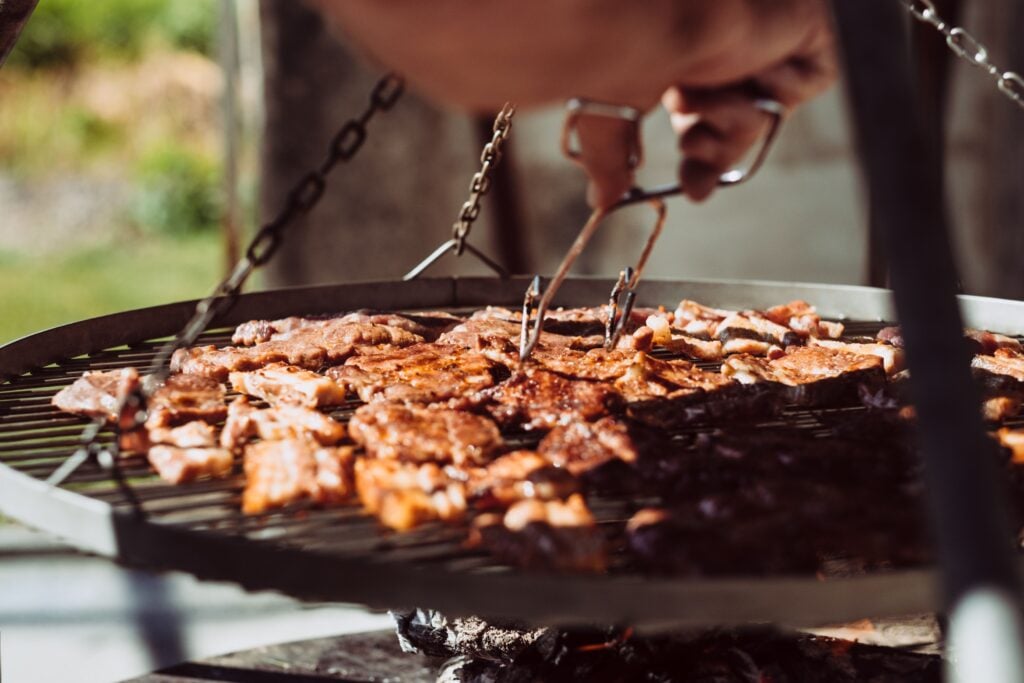
Not Preheating the Grill
Putting food on a cold or barely warm grill is a common shortcut, especially when everyone is hungry and you want to get dinner started. The problem is that the grates need time to get hot enough to sear the food properly and release it more easily.
Give your grill several minutes to heat up before you start cooking. You should hear a good sizzle as soon as the food hits the grates, and that strong initial heat can help with browning and more even cooking.
Related: 12 Thrifting Mistakes That Can Cost You Money
Skipping the Marinade
You don’t need to marinate everything you grill, but some foods can benefit from it. A basic mix of mustard, Worcestershire sauce, soy sauce, miso, oil, herbs, or vinegar can add plenty of flavor before the food ever reaches the grill.
Marinating also gives you something useful to do while you get the grill ready. For tougher cuts of meat, the right marinade can help improve the texture too. Just be careful with very acidic mixtures, since leaving meat in them for too long can make the outside soft or mushy.
Overcrowding the Grill
It’s hard not to pack the grill when you’re feeding a crowd. You want to get everything cooked at once, but cramming food together leaves less room to move things around and can make it harder to control the heat.
Leave some open space between pieces so hot air can circulate, and you have somewhere to move food if flames start shooting up. Cooking in two rounds may take a little longer, but it can save you from unevenly cooked food.
Related: The 9 Biggest Laundry Mistakes You’re Probably Making
Flipping Too Often
There’s something tempting about constantly checking food on the grill. A quick flip here, another one a minute later, and suddenly you’ve spent half the cook time moving everything around.
Food needs some uninterrupted time on the grates to brown properly. Let it cook long enough to develop a good crust before turning it. If you keep flipping every few seconds, you can make it harder to get that nice seared exterior.
Flipping Before It’s Ready
Sometimes the problem isn’t flipping too much but flipping too soon. If meat feels stuck to the grates, don’t immediately grab a spatula and force it loose.
Give it another minute or two and try again. Food often releases more easily once the surface has browned enough, so forcing it loose can tear the meat and leave half of it stuck to the grill.
Forgetting to Let Meat Rest
It’s hard to wait when a steak or burger smells great, and everyone is ready to eat. Still, cutting into meat the second it comes off the grill can cause a lot of the juices to run straight onto the cutting board.
Let larger cuts of meat rest for several minutes before slicing. A short rest gives the juices time to settle back into the meat, which can make the final bite juicier and more tender.
Related: The Biggest Mistakes People Make When Cleaning Window Blinds
Using Too Much Sauce Too Early
Barbecue sauce and other sugary sauces can burn much faster than the meat underneath them. Put the sauce on too early over high heat, and you may end up with a blackened coating before the inside is fully cooked.
For sauced meats, wait until the final few minutes to brush on the sauce. You can also serve extra sauce at the table, which lets everyone add as much as they like without risking burned glaze.
Not Managing Flare-Ups
A little flame isn’t unusual on a grill, especially when fat drips onto hot coals or burners. The problem is letting those flames sit under the food for too long, which can leave the outside scorched and bitter.
Move the food to a cooler section of the grill when a flare-up starts and close the lid for a moment if your grill allows it safely. Setting up a hot side and a cooler side before cooking gives you somewhere to move food when things get too intense.
Forgetting the Vegetables
Vegetables sometimes get pushed to the side while burgers, steaks, and chicken get all the attention. That’s a shame because grilled vegetables can be some of the best food coming off the grill.
Zucchini, peppers, corn, asparagus, onions, and mushrooms all work well over the heat. Toss them with a little oil, add some salt and seasoning, and give them enough time to brown around the edges without letting them turn to mush.
Related: 10 Living Alone Mistakes That Could Put Your Safety at Risk
Using Low-Quality or Damp Charcoal
Charcoal that has absorbed moisture can be difficult to light and may burn unevenly. Old or poorly stored charcoal can also leave you fighting with the temperature instead of cooking your food.
Store charcoal somewhere dry and keep it sealed from moisture. When you start with dry charcoal and give the coals time to heat up, it becomes much easier to maintain a steady cooking temperature.
Ignoring Gas Grill Maintenance
Gas grills need regular attention too, especially if you use them often. Grease and food buildup can collect around burners, and damaged hoses or connections can create safety problems.
Take a few minutes to check the hoses and connections for visible cracks or damage and make sure the burners are working properly. Cleaning out grease buildup also helps the grill cook more evenly and can reduce the risk of unexpected flames.
Starting With Dirty Grates
Nobody wants bits of last weekend’s dinner stuck to tonight’s meal. Dirty grates can make food stick, leave burnt residue behind, and affect the taste of whatever you’re cooking.
Clean the grates while they’re still warm, when leftover food is easier to remove. A good grill brush or scraper can help clear away the buildup so the next batch starts on a clean surface.
Guessing Doneness
Years of grilling can give you a good sense of timing, but even experienced cooks can misjudge a piece of meat. Thickness, starting temperature, grill heat, and even the weather can change how long something takes to cook.
A meat thermometer takes out a lot of the guesswork. Check the thickest part of the meat and use the proper safe internal temperature for whatever you’re cooking instead of relying only on color or time.
Using the Wrong Tools
A fork might seem like a quick way to grab a steak or burger, but poking holes in the meat can let juices escape while you’re moving it around. It also makes it harder to handle delicate foods without breaking them apart.
Long-handled tongs work for many foods, while a sturdy spatula is better for burgers, fish, and anything that needs support underneath. Keeping the right tools nearby makes grilling easier and reduces the chance you’ll improvise with something that can damage the food.
Grilling gets easier with practice, but that doesn’t mean experienced grillers never make mistakes. Sometimes it’s the little habits, like skipping the preheat or checking the meat every thirty seconds, that make dinner harder than it needs to be.