The freezer is where we put food we’re not ready to use, often with the best intentions. Then a few weeks turn into a few months, newer groceries get stacked on top, and whatever is hiding in the back becomes a mystery.
If you can’t remember the last time you went through yours, a quick cleanout may be overdue. Some items are worth tossing for safety reasons, while others have simply lost enough quality that you probably won’t enjoy eating them.
Here are eight things to check before you make room for your next grocery haul.
Food with severe freezer burn
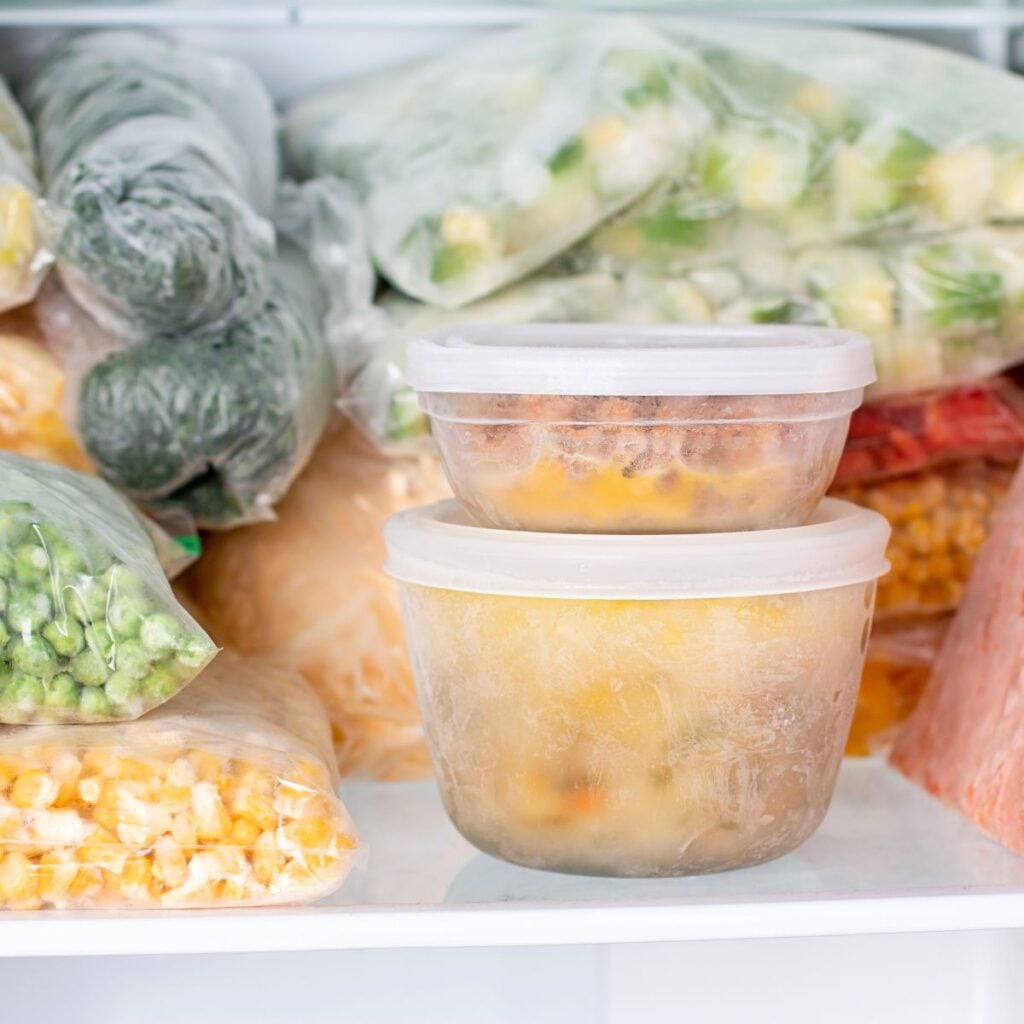
Freezer burn doesn’t automatically make food unsafe, but it can leave meat dry, vegetables tough, and meals tasting less appealing. If only a small area is affected, you may be able to trim it away; if the entire item is dried out and unappetizing, it might not be worth keeping.
Unlabeled leftovers you know you won’t use
A container of homemade soup or last month’s dinner is much more useful when you know what’s inside and when you froze it. If you can’t identify a forgotten container or have no realistic plan to eat it, clearing it out can make room for food you’ll actually use.
Related: 10 Items Most People Store in Plastic Containers (But Shouldn’t)
Food stored in cracked glass containers
Glass jars can crack in the freezer when liquids expand, especially if the container isn’t designed for freezing or was filled too close to the top. If you spot a crack, don’t open the jar over your food or try to salvage its contents; broken glass could have gotten inside.
Meat you can no longer identify
That unmarked package at the bottom of the freezer might be chicken, ground beef, or something you bought months ago. If the meat is exposed, poorly wrapped, and impossible to identify or date, it may be time to let it go rather than gamble on what it is.
Food that came into contact with leaking raw meat
A leaking package of raw meat can contaminate nearby food, even inside the freezer. Discard food that came into contact with the juices, then clean and sanitize the affected freezer surfaces before putting everything back.
Food that may have thawed during a power outage
If your freezer lost power recently, check whether anything thawed before freezing again. Ice crystals alone don’t mean food is unsafe, but if you know a perishable item was above 40°F for more than two hours or can’t confirm it stayed cold enough, discard it.
Related: 11 places to stash emergency cash around your house
Ice cubes that have picked up freezer odors
Ice can absorb smells from nearby food, which explains why an old tray sometimes makes a drink taste a little strange. If your ice has an unpleasant odor or flavor, empty the tray, wash it thoroughly, and start fresh.
Food in torn or open packaging
An open bag of frozen vegetables or a loosely wrapped piece of meat can be exposed to air, leading to freezer burn and a decline in quality. Check whether the food is still usable, and toss anything that has dried out badly or was exposed to leaking raw meat.