A clogged drain or leaking pipe can seem to come out of nowhere, but some plumbing problems develop slowly from everyday habits. What goes down the toilet, how we clear a drain, and even shower water pressure can affect how well a bathroom’s plumbing holds up over time.
Here are 9 bathroom habits worth changing now before they turn into costly plumbing repairs down the road.
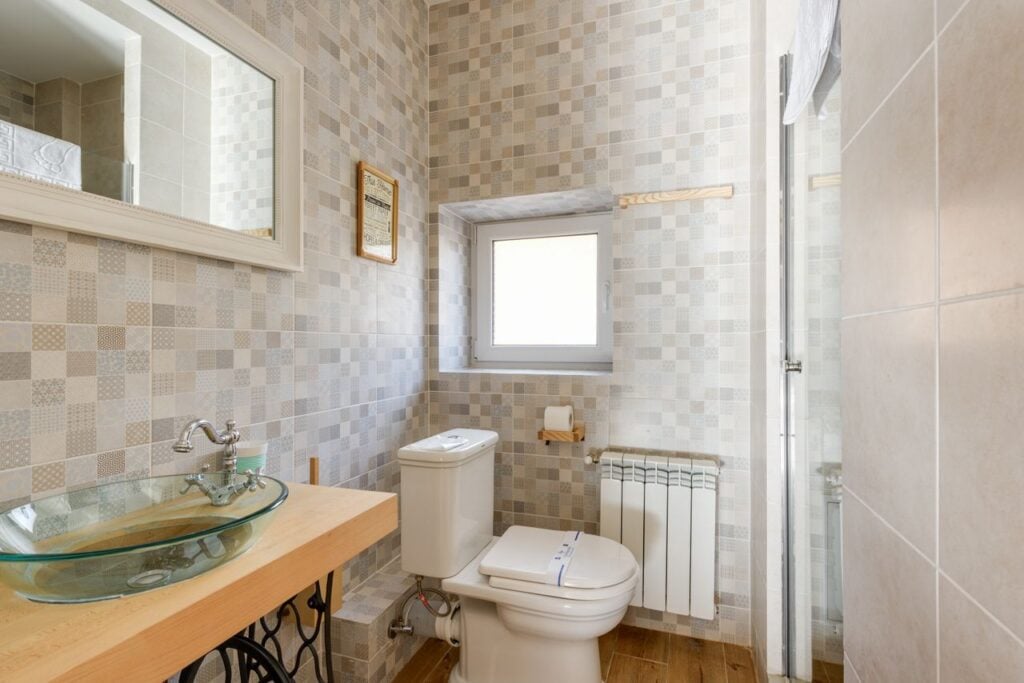
Treating the toilet like a trash can
Cotton balls, swabs, dental floss, paper towels, and hygiene products belong in the trash, not the toilet. Unlike toilet paper, these items can remain intact in the plumbing and contribute to clogs that are difficult to clear.
Flushing “flushable” wipes
Despite what the package says, many wipes don’t break apart as readily as toilet paper and can get caught in your plumbing. Over time, they can collect with other debris and form a stubborn blockage that requires a plumber to remove.
Using chemical drain cleaners over and over
Pouring drain cleaner into a slow sink may seem easier than dealing with the clog, but repeated use of harsh chemicals can damage certain pipes, seals, and fittings. If a plunger or drain snake doesn’t solve the problem, it’s worth finding the cause of the blockage instead of adding another bottle.
Letting hair wash down the shower drain
Hair can collect inside a drain and combine with soap residue to form a clog that gets harder to clear over time. A simple drain catcher can keep much of it out of the pipes, especially if you empty it regularly.
Related: 10 Things That Can Unclog a Drain Without a Bottle of Drano
Ignoring a dripping faucet
A faucet that drips occasionally may not seem urgent, but a small leak can waste water and raise your bill. Leaks beneath a sink deserve particular attention because moisture can damage the cabinet and surrounding materials before you notice a bigger problem.
Related: 12 Items You Should Stop Storing Under the Kitchen Sink
Overlooking unusually high water pressure
A powerful shower feels great, but excessive household water pressure can put added stress on pipes, valves, seals, and supply lines. If your home’s pressure is consistently above 80 psi, have it checked and ask a plumber whether a pressure regulator needs adjusting or installing.
Letting hard water buildup go unchecked
Mineral deposits from hard water can collect on showerheads and fixtures, reducing water flow and making them harder to keep clean. In homes with significant mineral buildup, it may be worth checking the plumbing and discussing water-treatment options with a professional.
Waiting until a slow drain stops working completely
A sink or shower that takes longer than usual to drain may be an early warning that debris is building up. Addressing the problem while water is still moving can be simpler than dealing with a fully blocked drain or a bathroom backup.
Ignoring gurgling sounds and unpleasant drain odors
Gurgling, bubbling, or persistent sewer odors can point to a drainage or venting problem that needs attention. If the symptoms keep returning or affect more than one fixture, have a plumber investigate rather than assuming they’ll clear up on their own.