I’ll admit, the first time I heard the term Swedish death cleaning, I thought it sounded a little depressing. Going through your belongings while thinking about what will happen to them after you’re gone doesn’t sound like anyone’s idea of a fun weekend.
But after years of holding on to kids’ keepsakes, old clothes, kitchen gadgets, storage bins, and things I kept telling myself I might need someday, I started to see why people were drawn to the idea.
There’s a point where having too much stuff becomes a problem. You notice it when you can’t close a closet door or have to move several boxes just to reach something in storage. I decided to try Swedish death cleaning
for seven days, and it changed how I looked at the things filling my home.
What Is Swedish Death Cleaning?
Swedish death cleaning, known as döstädning, became widely known through Swedish author Margareta Magnusson’s book, The Gentle Art of Swedish Death Cleaning.
The name sounds rather grim, but the idea is pretty straightforward: sort through your belongings while you still can, rather than leaving someone else with the job later. You let go of things you no longer need and keep the belongings that matter to you or serve a purpose.
After trying it myself, I realized it wasn’t really about death for me. It was about looking around my home and asking why I had held on to so many things for so long.
The Moment It Started to Click
I’ve cleaned out closets and filled donation bags plenty of times before. I’ve also had those sudden bursts of motivation where I decide the entire house needs a good decluttering session.
This time felt different.
Instead of asking myself whether I might use something again someday, I started thinking about whether I’d want someone else to sort through it if I were no longer here. That one question made it much easier to part with things I’d been keeping for years.
Some belongings were broken, others were duplicates, and a few had been sitting untouched for so long that I’d forgotten I even owned them.
I Started With the Storage Areas
I began with the places where clutter tends to hide: storage bins, garage shelves, closets, and boxes that hadn’t been opened in years. I figured these would be easier to sort through because most of what was inside wasn’t part of my daily routine.
Opening those containers was a little embarrassing. I found things I couldn’t remember buying, old household supplies, and items I’d saved because I thought they might come in handy someday.
I sorted everything into four piles: keep, donate, sell, and throw away. Seeing the items separated made it easier to decide what deserved space in my home.
There were old things I had planned to repair, extra supplies, outdated decorations, and random belongings that had followed me through several moves. I hadn’t needed most of them in years.
Then Came the Sentimental Stuff
The practical items were easy to sort through, but the sentimental belongings took much longer. I came across an old instrument that reminded me of my grandfather, tiny baby clothes from when my kids were little, and ordinary-looking objects tied to memories I’d almost forgotten.
This was the part I hadn’t really prepared for. Some things were difficult to let go of because they reminded me of people, places, and moments I didn’t want to forget.
I had to remind myself that getting rid of an object doesn’t mean losing the memory attached to it. Taking photographs helped, and in some cases, I kept one meaningful item instead of holding on to an entire collection.
That made it easier to part with things without feeling like I was throwing away a piece of my past.
I Was Keeping Way Too Much “Just in Case”
This was probably the biggest thing I noticed during the week. I had clothes I might wear again, craft supplies for projects I might start someday, kitchen gadgets I rarely touched, and cords for devices I no longer owned.
“Just in case” had become my reason for keeping almost everything. Once I started questioning those decisions, I realized how much space was going to things I didn’t use and probably wouldn’t miss.
Letting go of those belongings felt easier than I expected. After they were gone, I rarely thought about them again.
Related: Decluttering clothes can sometimes feel hard—this makes it easier
My Closet Was Harder Than I Expected
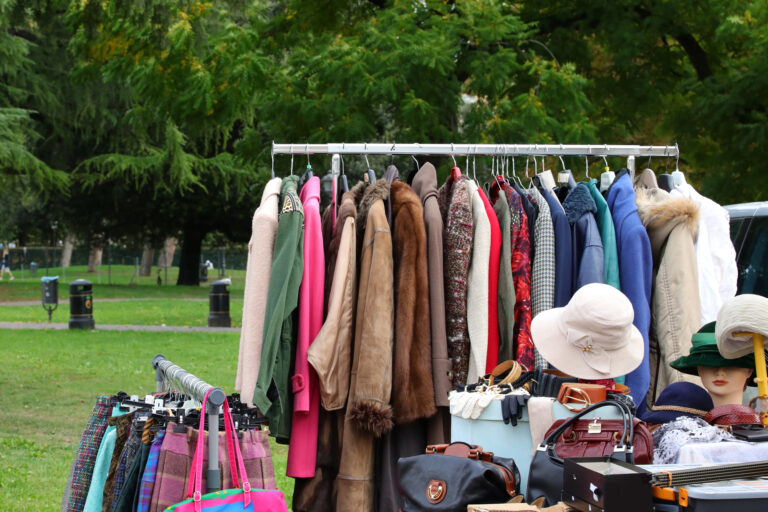
Clothes turned out to be one of the hardest things to sort through. Some pieces reminded me of a certain time in my life, while others made me think about who I used to be.
I found clothes I hadn’t worn in years but still couldn’t bring myself to donate. It took a little time to accept that keeping something just because I once loved it wasn’t a good enough reason to let it take up space.
I started paying more attention to the clothes I actually wore. That made it easier to see which pieces I wanted to keep and which ones could go to someone who might use them more.
Starting With Easy Items Helped
One thing that made the week less stressful was leaving the emotional belongings until later. I started with things that didn’t require much thought, such as expired products, broken items, old paperwork, duplicate kitchen tools, unused decorations, and tangled cords.
I cleared out several duplicate kitchen tools in one afternoon and barely felt attached to any of them. Those small wins motivated me to keep going.
By the time I reached the boxes filled with sentimental belongings, I had already cleared a good amount of clutter. I wasn’t looking at the entire house, wondering where to begin anymore.
What I Took Away From the Week
After seven days, I realized Swedish death cleaning isn’t about making your home empty or getting rid of everything you own. It’s about deciding what deserves a place in your home and making things easier for the people you care about.
I still have sentimental belongings, things I enjoy collecting, and plenty of items I plan to keep. The difference is that I’m more thoughtful about why I hold on to them.
I also learned that a memory doesn’t disappear just because you let go of the object attached to it. Sometimes a photograph or one meaningful keepsake is enough.
My home didn’t turn into a perfectly organized, minimalist space after one week. But I had fewer boxes to move, closets that weren’t bursting, and less clutter sitting around simply because I couldn’t decide what to do with it.
That alone made the week well worth the effort.