It’s easy to assume the refrigerator is the safest place for everything. If it’s food, it goes in the fridge right? But that habit can actually ruin the flavor, texture, and shelf life of certain everyday staples.
Some foods turn mealy, bland, or rubbery when they’re chilled. Others spoil faster in the cold or lose the qualities that make them taste their best. The truth is, not everything belongs in the refrigerator.
Before you automatically clear space on a shelf, here are foods that are better off staying at room temperature.
Avocado
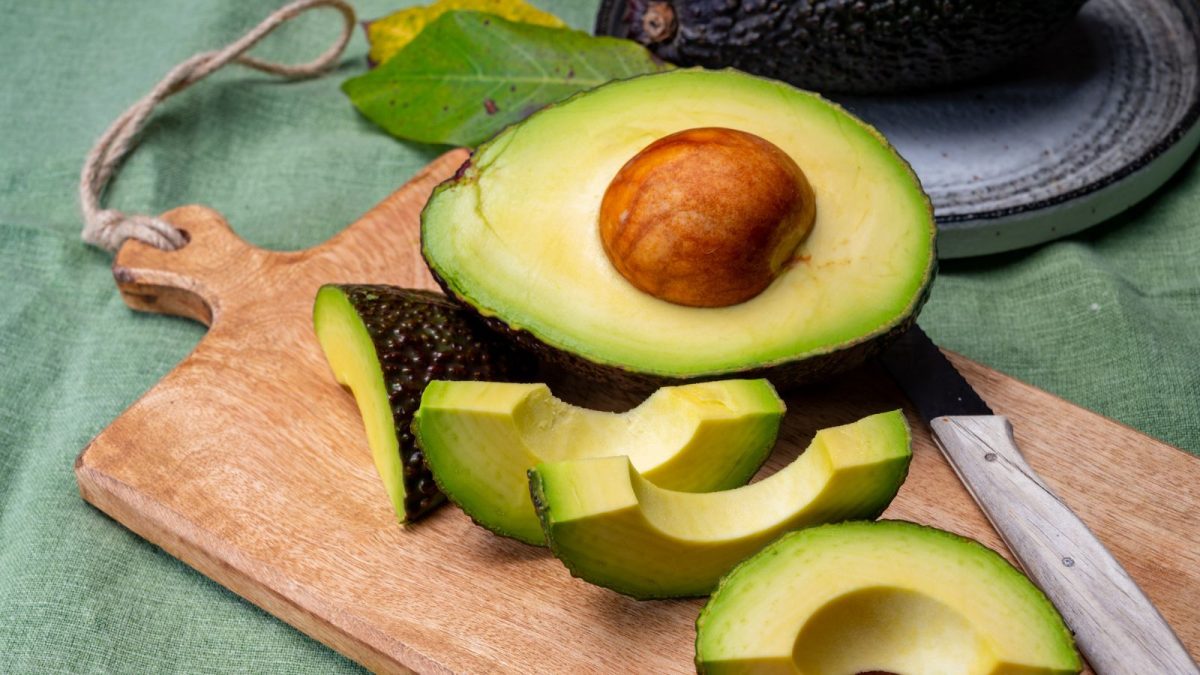
Avocados shouldn’t be refrigerated if they still need to ripen. The cold can affect their texture, making them less buttery, and it can also diminish their natural flavor. Once an avocado is cut, you can store it in the refrigerator, but remember that its shelf life is short.
Potatoes

Whole, unpeeled potatoes should not be refrigerated because cold temperatures can convert their starches into sugars, leading to an undesirable sweetness and altered texture when cooked.
Where to Store: Keep unpeeled potatoes in a cool, dry, well-ventilated area, such as a pantry or cellar. Store them away from onions and fruits to prevent sprouting.
Plums
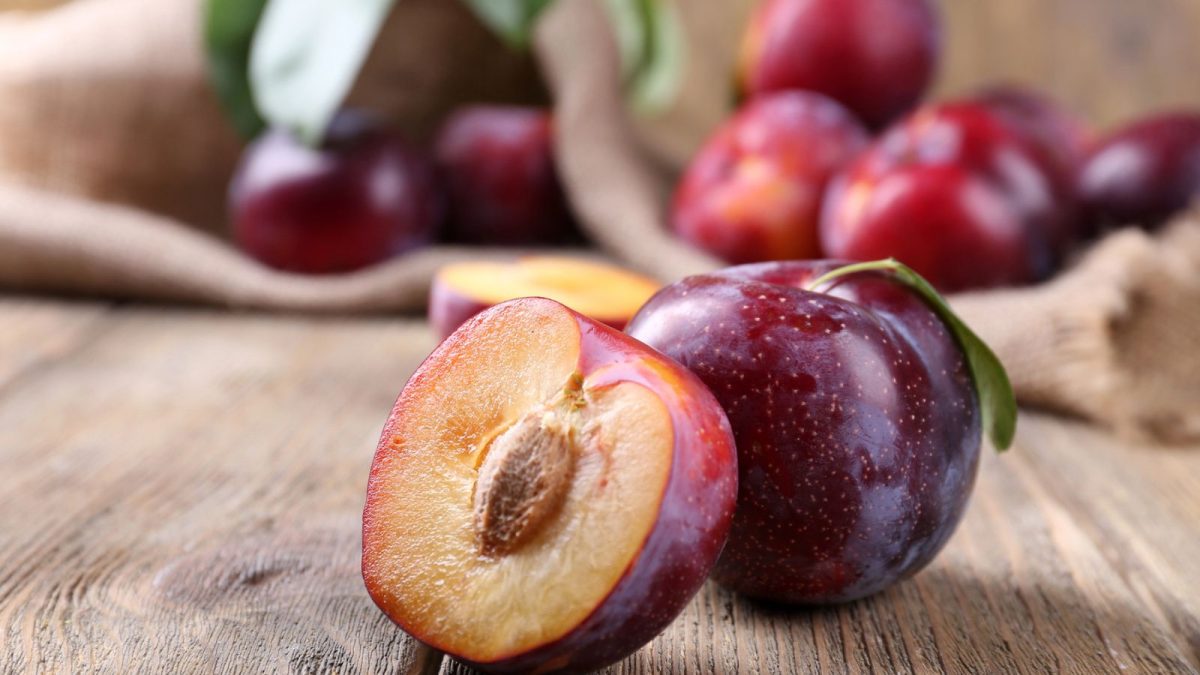
Like other stone fruits, plums should be ripened at room temperature. Once they are ripe, they can be stored in the refrigerator to prevent spoilage.
Pears
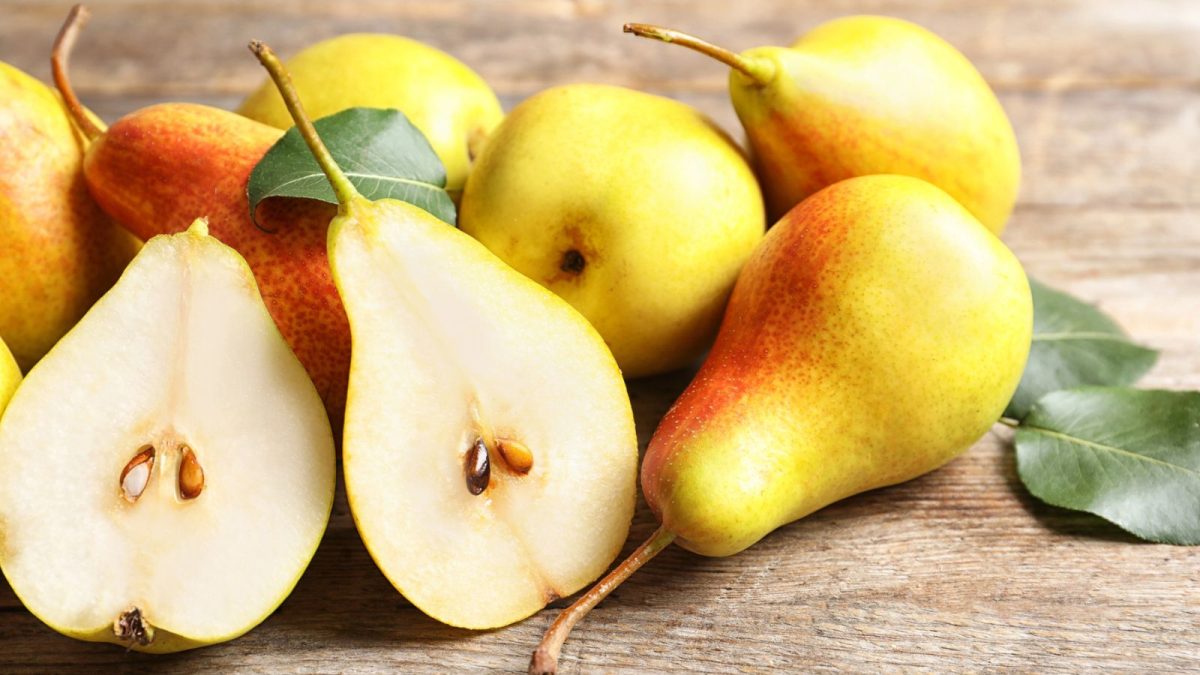
Pears should be stored on the countertop. If they smell sweet, they are ready to be eaten. Sliced pears should be stored in an airtight container in the refrigerator.
Apples
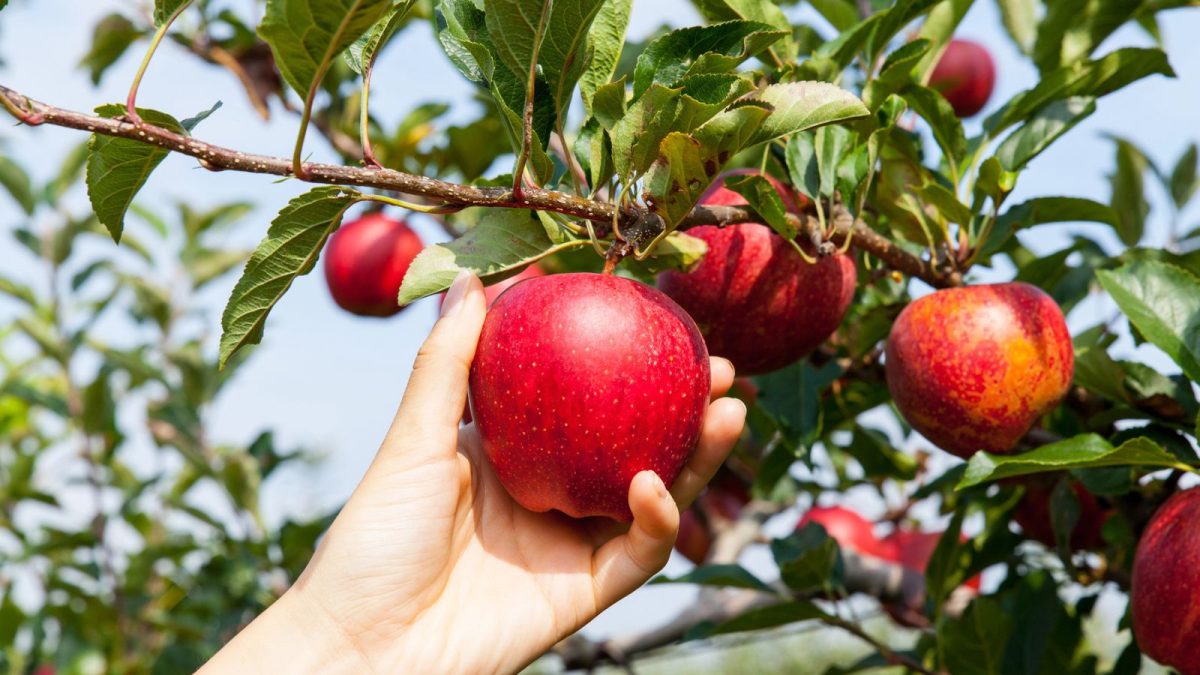
There’s a lot of debate about whether apples should be stored in the refrigerator. However, apples can stay fresh at room temperature for up to two weeks. After that, refrigerating them can significantly prolong their shelf life.
Basil
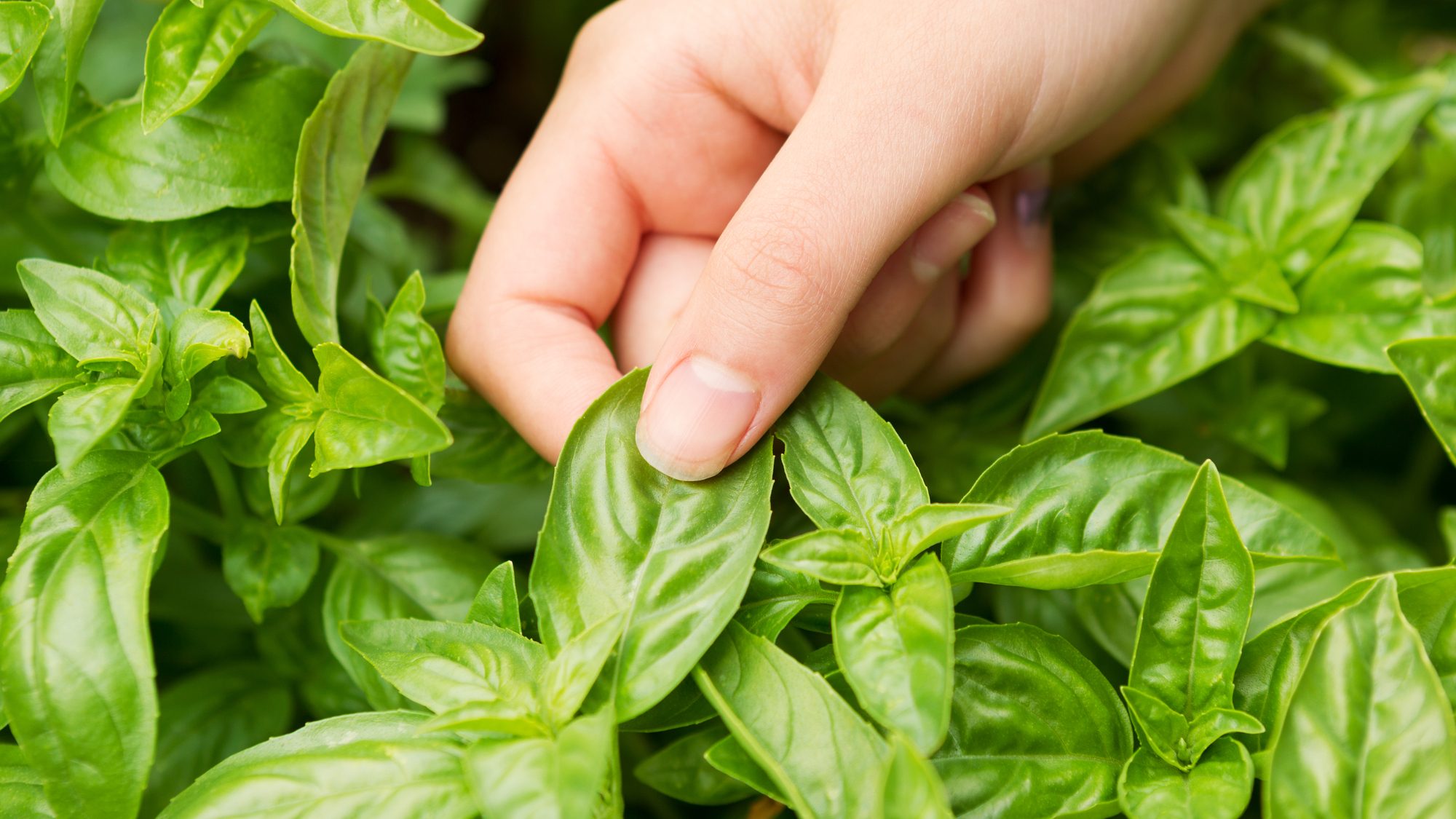
Basil is sensitive to cold, so it’s best kept out of the fridge. Refrigerating basil can cause the leaves to shrivel and turn black.
Mango

If your mango isn’t fully ripe, keep it at room temperature. Refrigerating it too soon can halt the ripening process, leaving you with less flavorful, hard fruit. However, once your mango is ripe, place it in the refrigerator to slow down spoilage.
Bananas
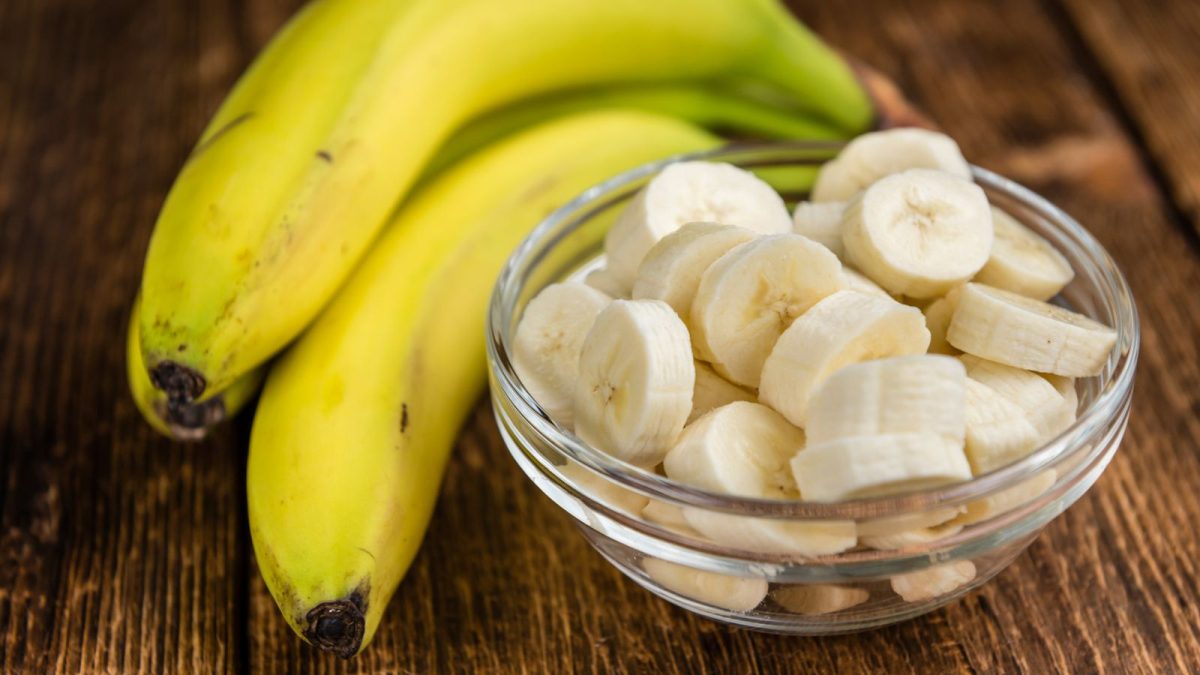
Bananas thrive in hot climates, so it’s no surprise that they don’t do well in the cold. Refrigeration can cause the peel to turn black due to the activation of browning enzymes at low temperatures. It can also drastically change the fruit’s taste and texture. While refrigerating bananas may slow down or stop the ripening process, the impact on flavor and texture makes it not worth it.
Where to Store: Keep unripe bananas at room temperature until they reach your desired ripeness. Once ripe, you can refrigerate them for a few days to extend their freshness.
11 Reasons Banana Peels Are the Secret Ingredient Your Garden Needs
Persimmons
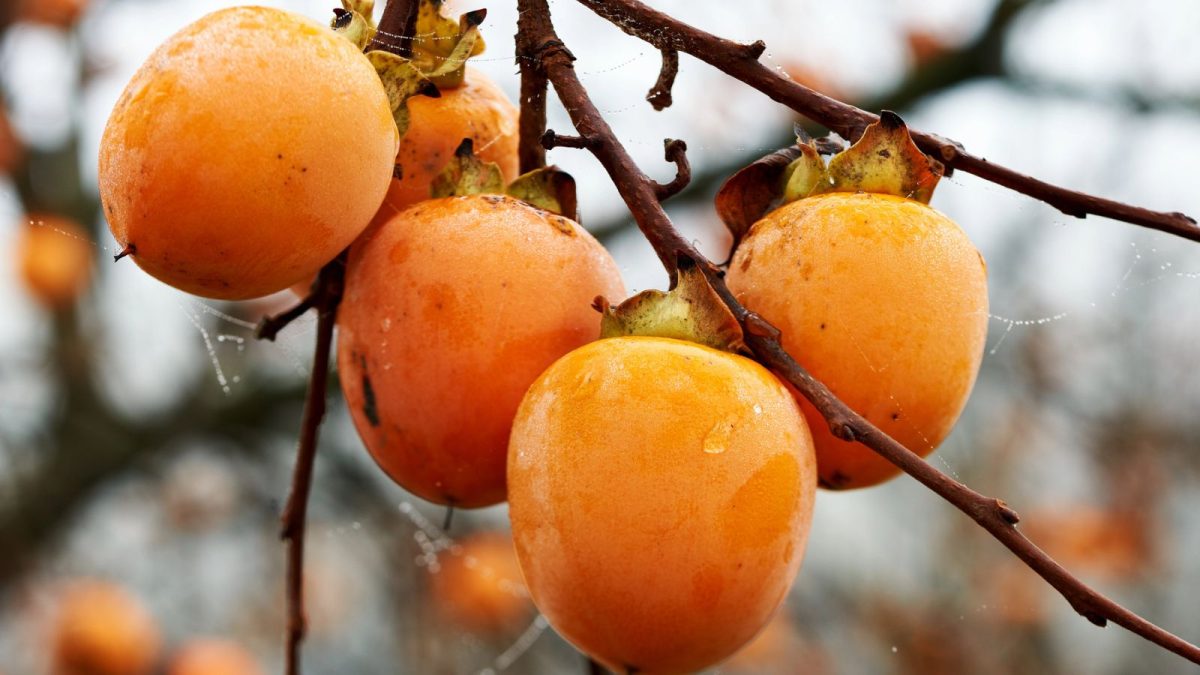
This juicy, luscious fruit continues to ripen after being harvested, so storing it on your countertop is best. Allowing it to ripen at room temperature will ensure its sweetness and rich taste. Once ripe, you can keep persimmons in your refrigerator for up to 3 days.
Chocolate
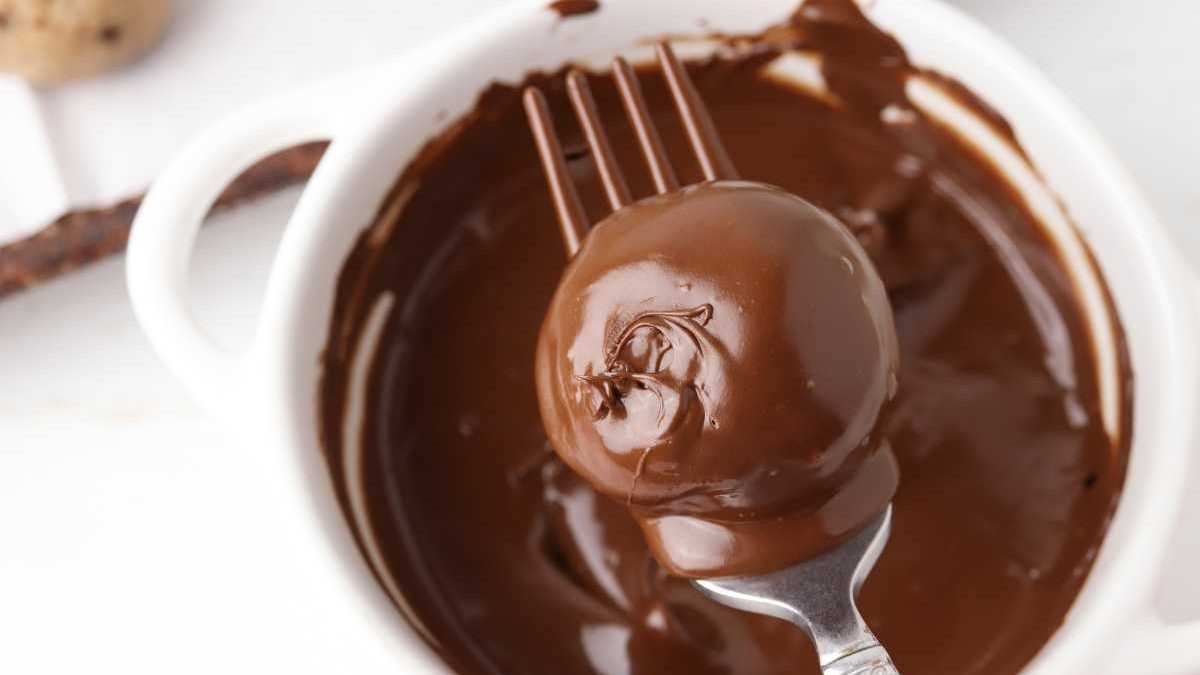
Storing chocolate in the refrigerator can expose it to moisture, leading to “blooming,” in which sugar rises to the surface and forms a white coating. While safe to eat, bloomed chocolate may lose its ideal texture and appearance.
Cooking Oils

Cold-pressed cooking oils, like olive and avocado oil, can become cloudy and thicken or solidify in the refrigerator, affecting their texture and flavor. Store cooking oils in a cool, dark place, such as a cabinet or pantry.
14 Odd, But Useful Olive Oil Hacks That Actually Work
Garlic
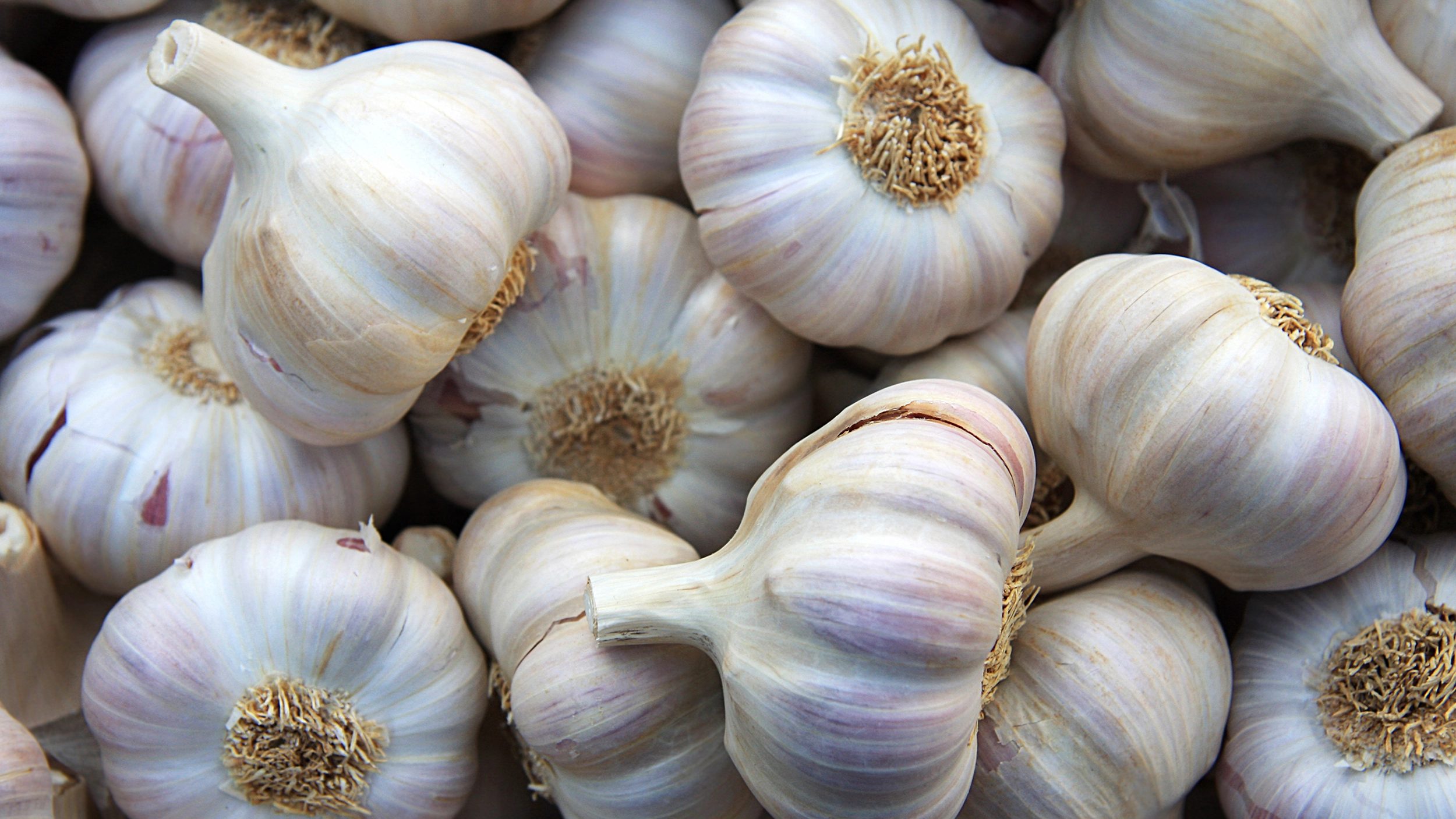
Whole, uncut garlic tends to become soft and sprout faster in the fridge. While the sprouts are edible, they can be bitter. It’s best to store garlic in a cool, dry area.
Apricots
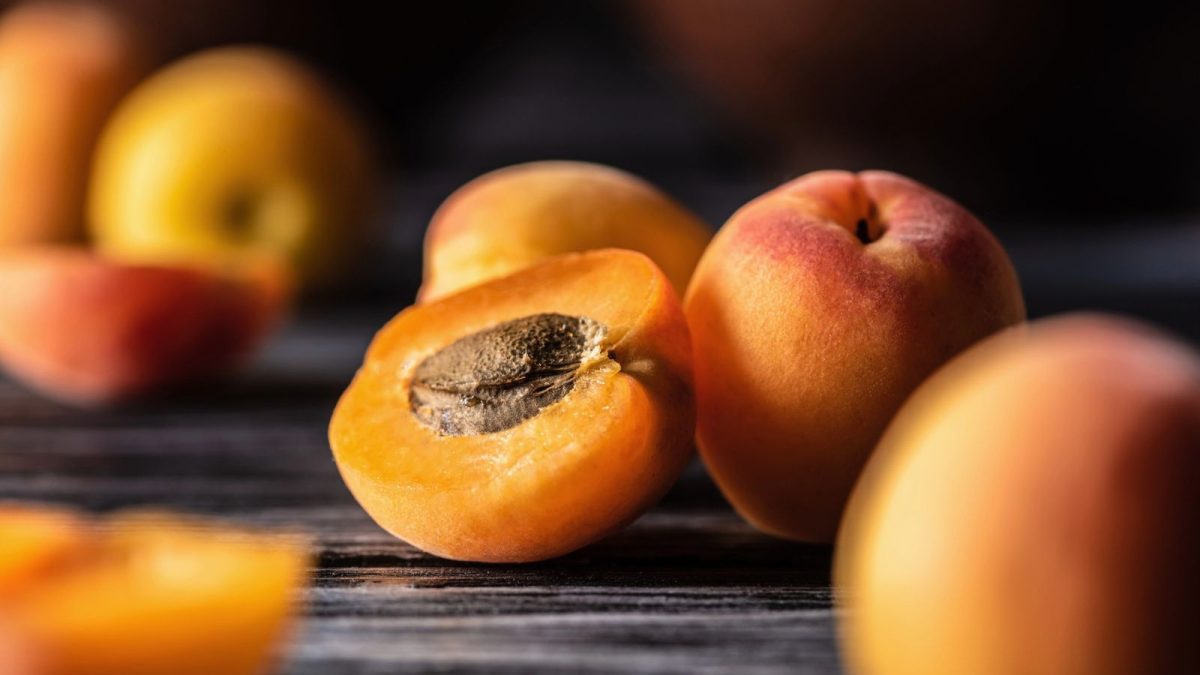
Apricots are stone fruits that do not prefer refrigerators, especially if they are not yet ripe. Refrigerating will only stop their natural ripening, ruining their flavor and texture and resulting in a less-sweet, juicier apricot.
Citrus Fruits
Whole citrus fruits can be stored on your countertop for up to several weeks. Low temperatures can ruin the natural sweetness of lemons and oranges, making them less juicy. Once sliced, store citrus fruits in the refrigerator to prevent them from drying out.