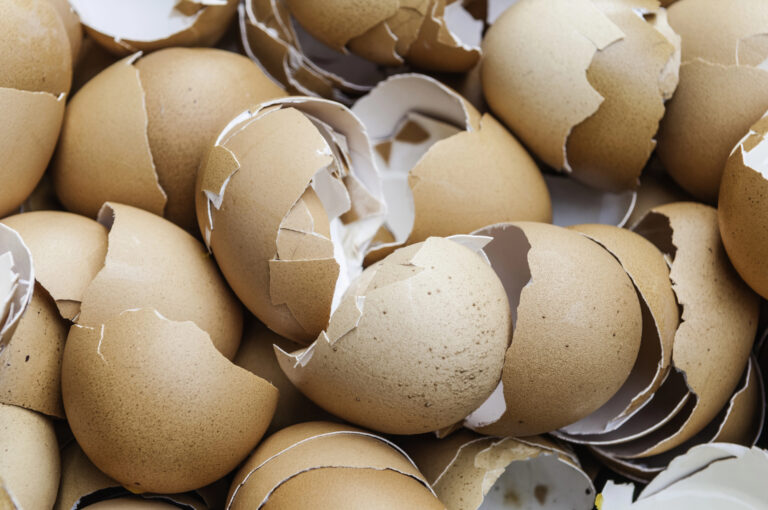
For years, I threw eggshells straight into the trash without giving them much thought. Once I started gardening more, I realized I was throwing away something that could actually be useful around the yard. Now, I keep a small container in the kitchen and save the shells whenever I cook eggs.
Eggshells are mostly made of calcium carbonate, along with small amounts of other minerals. They aren’t a magic fix for every garden problem, but they can be a handy source of calcium and a simple way to put kitchen scraps to use.
You can rinse the shells, let them dry, and crush them by hand or with a kitchen tool. From the garden to the backyard chicken coop, there are several ways to reuse them instead of sending them to the trash.
If you’ve been tossing your eggshells without a second thought, here are some uses worth trying.
Starting Seedlings
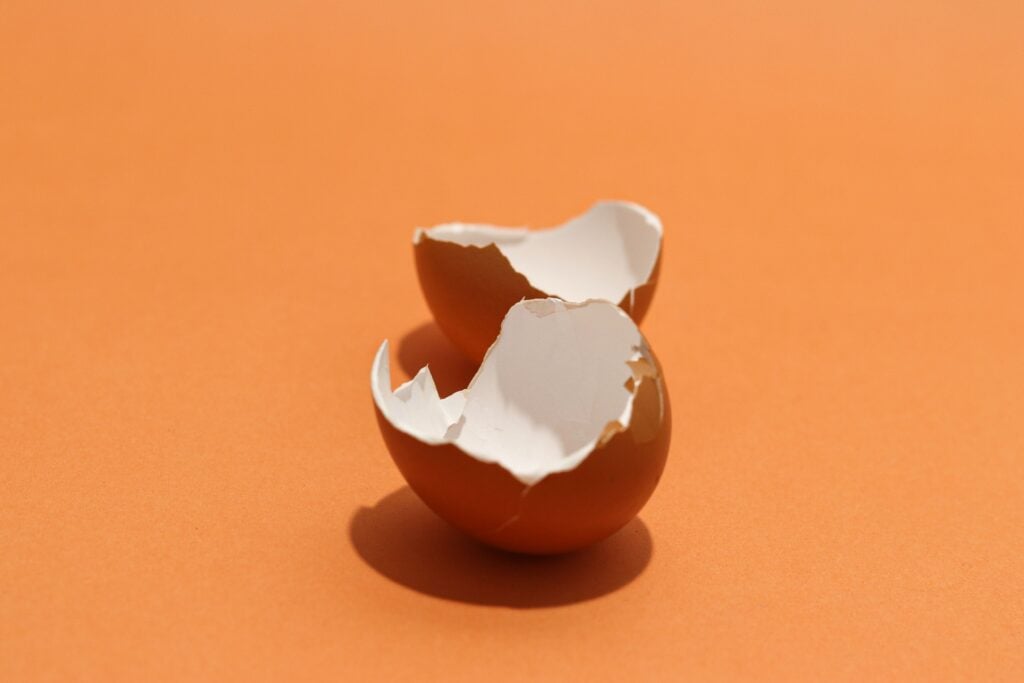
Eggshells can work as tiny seed-starting containers if you want to grow a few plants from seed. Rinse the shells, carefully crack off the top portion, add a little potting soil, then place a seed inside.
The shell can go into the ground with the seedling once it’s ready to be planted outside. Just crack or crush the shell a little first so the roots have an easier time growing through it. As the shell breaks down, it adds calcium to the soil around the plant.
Add Them to the Compost
Eggshells are an easy addition to compost piles. Rinse away any leftover egg, let the shells dry, and crush them before adding them to the pile. Smaller pieces will break down more easily than large halves.
Eggshells add calcium and other minerals to compost, though they can take quite a while to fully break down. Once your compost is ready, those crushed shells become part of the finished compost you can use around your plants.
Place Them in Planting Holes
Crushed eggshells can be added to planting holes when you’re putting vegetables such as tomatoes, peppers, or eggplants into the garden. Just sprinkle some into the hole before placing the plant in the soil.
The shells break down slowly, so don’t expect an instant calcium boost. Still, adding them to the soil gives the shells a chance to break down around the roots over time.
Sprinkle Them Around Plants
If you have a container of dried eggshells, you can crush them and scatter the pieces around your plants. This adds a small amount of calcium to the soil as the shells gradually break down.
Some gardeners use this around vegetables such as tomatoes and peppers. It’s an easy use for shells that would otherwise end up in the trash, although a soil test is a better way to determine whether your garden actually needs more calcium.
Make Eggshell Tea
Eggshell tea is another simple way gardeners use leftover shells. Crush several clean, dry shells and place them in hot water. Let the mixture sit until it cools, then use the water on your plants.
The water may pick up some of the minerals from the shells, though eggshells don’t dissolve quickly. Think of it as a simple way to reuse the shells rather than a replacement for a regular plant fertilizer.
Add Calcium to Dog Food
Eggshells can also be turned into a calcium-rich powder for homemade dog food. The shells need to be thoroughly cleaned, dried, and ground into a very fine powder before being considered for this use.
This isn’t something to add to your dog’s food without checking with a veterinarian first. Dogs need the right balance of calcium and other nutrients, and adding too much can cause problems. A vet can tell you whether an eggshell supplement makes sense for your particular dog and how much would be appropriate.
Mix Into Garden Mulch
Crushed eggshells can be mixed with common mulch materials such as dried leaves, straw, or wood chips. The pieces will gradually break down and add minerals to the soil.
They won’t dramatically change your mulch overnight, but they’re an easy way to put another kitchen scrap to work. If you’re already saving shells for the compost pile, you can also add some to mulch around plants.
Help Keep Cats Out of Garden Beds
Some gardeners scatter crushed eggshells around garden beds to discourage cats from digging in freshly planted soil. The rough pieces can make the surface less pleasant for cats to walk or dig through.
This isn’t guaranteed to keep every cat away, but it may help with a garden bed that’s become a favorite digging spot. If you try it, spread the shells around the soil rather than placing a thick layer directly against plant stems.
Feed Them to Birds
Eggshells can provide birds with a source of calcium, which is especially useful for females producing eggs. Before putting shells outside, rinse them well and bake them to dry them thoroughly.
Once they’re cool, crush them into small pieces and place them in bird feeders or another spot where birds can reach them. You can also scatter a small amount in the yard.
Feed Them Back to Chickens
If you keep backyard chickens, your eggshells can make their way right back to the coop. Hens need calcium to produce strong eggshells, and crushed eggshells can be one source of that calcium.
Rinse the shells and let them dry completely before crushing them into small pieces. Many chicken keepers crush the shells finely enough that the hens don’t associate the pieces with eggs. You can then mix the shells into their regular feed or offer them separately.
Help Balance Soil pH
Eggshells contain calcium carbonate, which can affect soil acidity as the shells slowly break down. The change is gradual, though, so eggshells aren’t a quick substitute for garden lime when soil needs a meaningful pH adjustment.
If you’re curious about your soil, a soil test can tell you its current pH and nutrient levels. If your soil is acidic and needs more calcium, crushed eggshells can be one small addition to your gardening routine. You can also add them to garden soil as part of your regular composting and soil care.
A Natural Slug and Snail Barrier
Crushed eggshells are often recommended to keep slugs and snails away from plants. The idea is that the sharp, rough pieces will make it harder for soft-bodied pests to crawl across the soil.
In practice, eggshells aren’t a guaranteed slug treatment, and their usefulness can vary from garden to garden. Still, if you already have a supply of shells, scattering some around vulnerable plants costs nothing and gives you another way to reuse them.
Support Earthworms in the Soil
Eggshells can also contribute calcium to soil where earthworms live. Earthworms interact with soil minerals as they feed and move through the ground, and calcium is part of their nutritional needs.
Crushed shells can gradually become available as they break down, especially when mixed into compost or garden soil. Healthy earthworm activity can also improve soil structure as worms move through the soil and process organic matter.
A Simple Way to Reduce Waste
Eggshells may seem like insignificant scraps, but saving them gives you several ways to reuse something that would normally go straight into the trash. A few shells won’t transform a garden on their own, but they can still provide a small source of calcium and help you make better use of your kitchen waste.
Once you get into the habit, saving eggshells takes very little work. Rinse them, let them dry, crush them, and keep them in a container until you’re ready to add them to the compost, garden soil, or another use around your home.
Other posts you might like:
- Banana Peels Might Be the Most Underrated Natural Boost for Your Garden
- I Stopped Using Dryer Sheets in the Dryer—Here’s Where I Use Them Instead
- Stop Throwing Away Orange Peels — Some Call Them Trash, Others Call Them Kitchen Gold
- 14 Practical Uses for Windex
- 15 Incredible Ways to Repurpose Used Coffee Grounds