Starting a raised garden bed is exciting, but one challenge many gardeners run into is how much soil it actually takes to fill a deep bed. If you’ve ever priced out bags of raised bed mix, you already know that filling an entire bed with premium soil can get expensive very quickly.
The good news is that you don’t need to fill the whole bed with costly soil. Smart gardeners often use inexpensive, natural materials in the bottom portion of the bed to take up space, improve drainage, and slowly add organic matter as they break down.
The goal is to create a healthy growing environment in the top layer where your plants actually root, while using budget-friendly materials underneath to reduce the amount of soil you need. Here are some smart ways to fill the bottom of a raised garden bed without overspending.
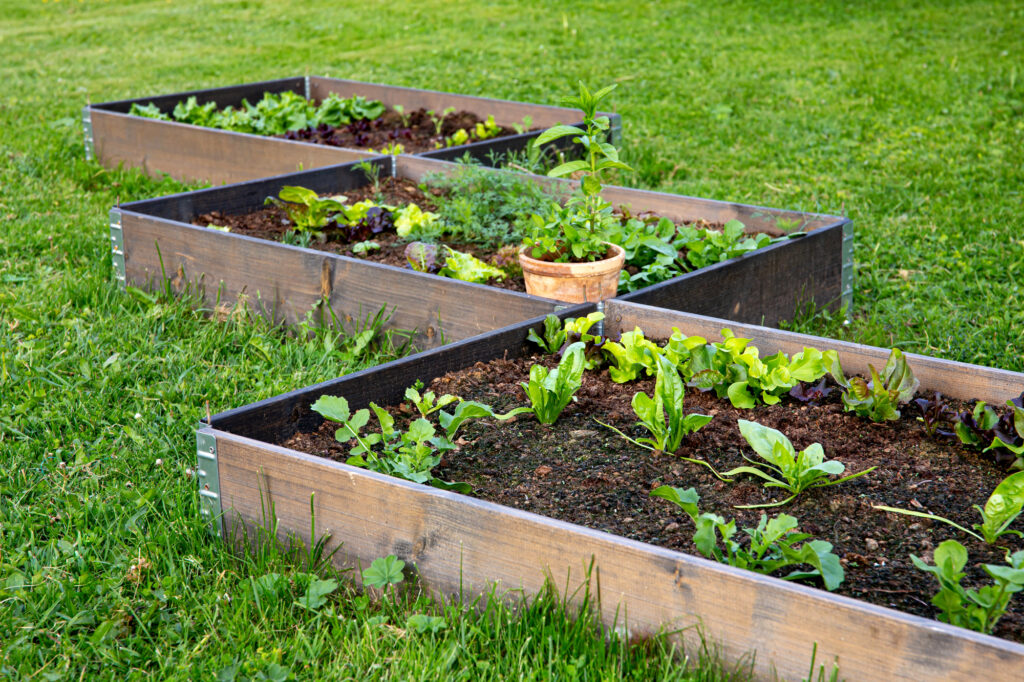
Wood Chips
Wood chips are a simple way to fill space at the bottom of a raised bed while adding organic material that slowly breaks down over time. As the chips decompose, they contribute to soil structure and encourage beneficial microbes.
They also help create air pockets in the lower layers of the bed, which can improve drainage and prevent soil from becoming compacted. Keep the chips in the lower portion of the bed and cover them with several inches of quality soil or compost for planting.
Rocks, Stones, and Gravel
If you have access to rocks on your property, they can help take up space at the bottom of a raised bed. Large stones or gravel can improve drainage, particularly in areas with heavy clay soil or poor natural drainage.
However, it’s best not to use an extremely thick layer. A shallow base of stones topped with organic materials and soil will usually work better than filling a large portion of the bed with rock.
DIY Soil Mix
Instead of buying expensive pre-made raised bed mixes, many gardeners save money by mixing their own soil blend.
A simple homemade mix can include topsoil, finished compost, and organic matter such as leaf mold or aged manure. Combining these ingredients creates a fertile growing medium that costs far less than buying bags of specialty soil.
Newspaper
Layering newspaper at the bottom of a raised bed can help suppress weeds and grass that may grow up from below. The paper slowly breaks down over time, adding a small amount of organic material to the soil.
To use it effectively, lay several sheets of newspaper across the bottom and wet them so they stay in place while you add other materials on top.
Cardboard
Cardboard works much like newspaper but provides a sturdier weed barrier when you first build a raised bed. Flatten boxes and remove tape or labels before placing them at the bottom of the bed.
As the cardboard decomposes, it improves soil structure while preventing weeds from pushing up through the bed during the first growing season.
Homemade Compost
If you already compost kitchen scraps and yard waste, you have one of the best soil-building materials available. Finished compost is rich in nutrients and helps improve soil texture.
You can place partially finished compost in the lower portion of the bed and reserve the best fully decomposed compost for the planting layer near the top.
Garden Soil
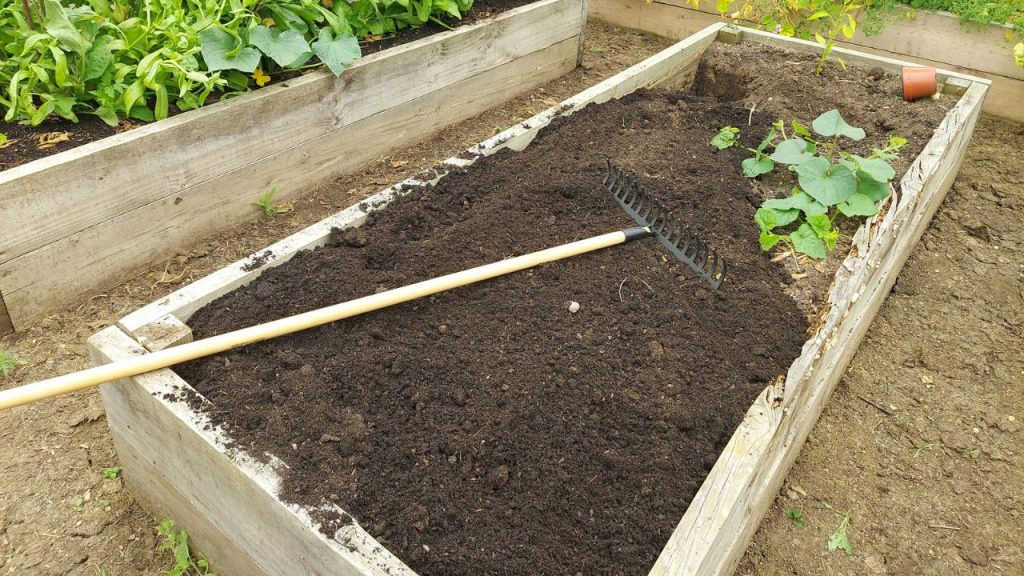
Soil from other areas of your yard can help fill the bottom portion of a raised bed. While it may not be ideal for the planting layer, it works well as filler when combined with compost or other organic materials.
If your garden soil contains weed seeds, adding a cardboard barrier beneath it can help prevent unwanted weeds from growing into the bed.
Straw or Straw Bales
Straw is a lightweight and inexpensive material that works well as a bottom filler. Loose straw can be layered across the base of the bed, or small straw bales can be placed inside to take up space.
Once watered, straw begins to break down and slowly contributes organic matter to the surrounding soil.
Composted Animal Manure
Well-aged animal manure is a valuable addition to raised beds. Once fully composted, manure provides nutrients that support plant growth while improving soil structure.
Horse, cow, chicken, and rabbit manure are commonly used in gardens. Many gardeners find inexpensive or even free sources from local farms or stables.
Grass Clippings
Grass clippings can be layered into the lower portion of a raised bed to increase organic matter. As they decompose, they help build healthy soil.
It’s important to add clippings in thin layers rather than thick piles, since dense layers can become compacted and slow decomposition.
Biochar
Biochar is a charcoal-like material produced by heating wood in a low-oxygen environment. It’s known for its ability to improve soil structure and support beneficial microbes.
When mixed into the lower layers of a raised bed, biochar helps balance moisture levels and contributes to long-term soil fertility.
Vermiculite and Perlite
These lightweight mineral additives are commonly used in potting mixes. Both materials improve soil aeration and drainage, which can be helpful in raised beds.
A small amount mixed into soil layers can help prevent compaction and keep roots healthy.
Coconut Coir
Coconut coir is a natural fiber made from coconut husks and is often used as a sustainable alternative to peat moss.
It holds moisture well while still allowing air to move through the soil. Blocks of compressed coir expand when soaked in water and can be mixed with soil to help fill raised beds economically.
Worm Castings
Worm castings are a highly concentrated organic fertilizer produced by composting worms. Even small amounts can improve soil health by boosting microbial activity and adding nutrients.
They are best mixed into the upper soil layers where plant roots can benefit most.
Leaf Mold
Leaf mold is created by allowing fallen leaves to decompose over time. The result is a soft, crumbly material that improves soil structure and moisture retention.
Because it holds water like a sponge, leaf mold works well when mixed into raised bed soil or layered into the lower portions of the bed.
Shredded Paper
Shredded paper is another simple way to recycle household materials while improving your garden soil. Paper breaks down over time and helps create a light, airy layer at the bottom of a raised bed.
Mix shredded paper with other organic materials to prevent it from compacting as it decomposes.