Food assistance can make a big difference when money is tight, but groceries are only one part of a family’s budget. Children outgrow clothes and shoes, babies need a steady supply of diapers, and school supplies can add up quickly.
Fortunately, food banks aren’t the only community resources families can turn to. Depending on where you live, organizations and local groups may provide clothing, baby gear, hygiene products, and other everyday necessities at no cost. Here are a few places to start.
Clothing banks and community clothing closets
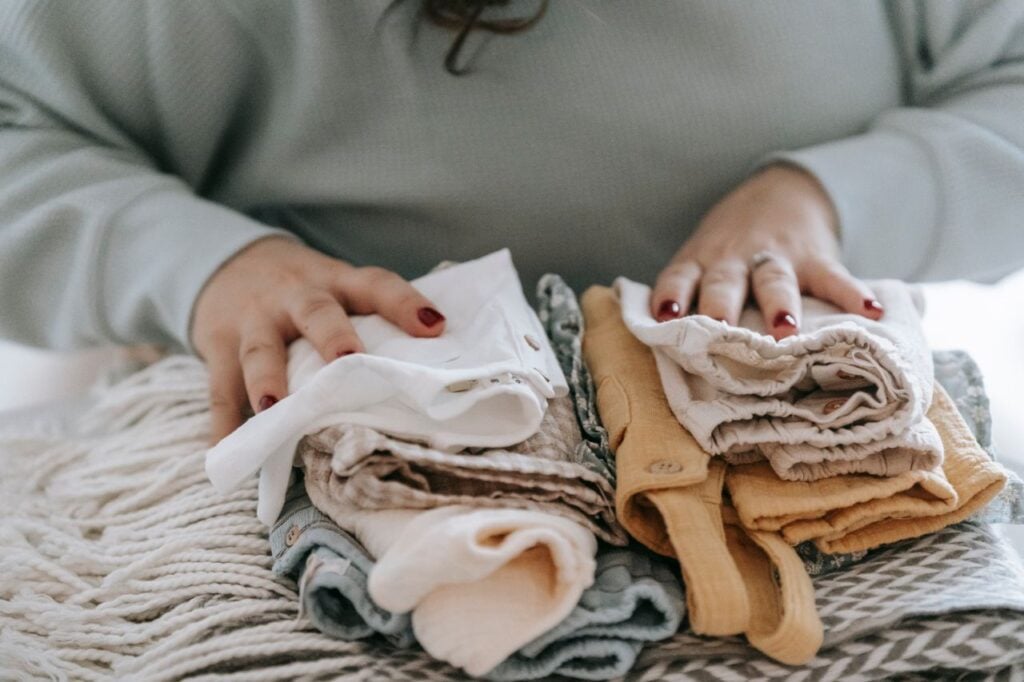
Clothing banks provide donated clothes to people who need them, and some have dedicated sections for children and babies. Community clothing closets may operate through nonprofit organizations, neighborhood centers, or places of worship, with availability and eligibility requirements varying by location.
Search for “clothing bank near me” or “free children’s clothing” along with your city or county. If you find an organization that doesn’t carry the sizes your family needs, ask whether it can refer you to another local program.
Diaper banks and baby supply pantries
Diapers are an ongoing expense that food assistance alone may not cover. Diaper banks and baby supply programs can help families access diapers and, depending on the organization, other items such as wipes, baby clothes, and basic care supplies.
Some programs distribute items directly, while others work through partner agencies. Contact a local diaper bank or search for a baby pantry in your area to learn what is available and how to request help.
Related: 5 Items Food Pantries Wish People Would Stop Donating
Buy Nothing groups and other local gifting communities
Neighborhood gifting groups are worth checking when children need clothes, shoes, toys, or baby gear. Parents often pass along items their children have outgrown, and many groups allow members to post requests for specific sizes or necessities.
Look for a local Buy Nothing group, a neighborhood free-goods group, or a community gifting page. If privacy is a concern, review the group’s visibility and sharing rules before posting personal details or arranging a pickup.
Schools and school district resource programs
A child’s school may be able to help with more than classroom supplies. Some schools have clothing closets, donated backpacks, or connections to community organizations that provide shoes, coats, and other essentials.
Contact the school counselor, social worker, or front office and explain what your family needs. Even if the school doesn’t distribute items directly, staff may know about local programs or district resources that can help.
Domestic violence shelters and family support organizations
Domestic violence organizations may offer support to families who have left unsafe living situations, even when they are staying with relatives or friends rather than in a shelter. Services vary, but an organization may help locate clothing, baby supplies, and other necessities or connect a family with community partners.
Contact a local domestic violence service provider and ask about its outreach and family assistance programs. If you need help finding a provider in the United States, the National Domestic Violence Hotline can help connect you with support.
Churches and other faith-based organizations
Some churches and other faith-based organizations operate clothing closets, organize children’s clothing giveaways, or collect school supplies for local families. Others may not distribute goods themselves but can direct people to nearby organizations that do.
You generally don’t have to wait for a large seasonal giveaway to ask what help is available. Call a local organization and ask whether it offers children’s clothing, baby supplies, or referrals to community assistance programs.
Community action agencies and local nonprofit organizations
Community action agencies work with people facing financial hardship and may connect families with programs for basic necessities. Assistance varies by agency, so ask specifically about children’s clothing, diapers, household items, and school supplies.
Local family resource centers and other nonprofits may also maintain lists of nearby assistance programs. If you’re unsure where to begin, call 211 to find services in your area.
Charity thrift stores and free stores
Not every thrift store charges for everything it distributes. Some charitable organizations operate free stores or provide donated clothing and household goods through separate assistance programs.
Ask local charity thrift stores whether they have a voucher program, a free-goods distribution service, or a partner organization that helps families obtain essentials. You can also search for “free store” or “free clothing ministry” alongside your location.
Related: 14 Items Food Banks Wish More People Would Donate
Start with the items your family needs most
Help can look different from one community to the next, and a program that provides clothing may not carry diapers or school supplies. Making a short list of the items and sizes your family needs can make it easier to explain your situation when contacting organizations.
If one place can’t help, ask where else to try. Local schools, nonprofits, community groups, and assistance agencies may know about resources that are difficult to find through a general online search.