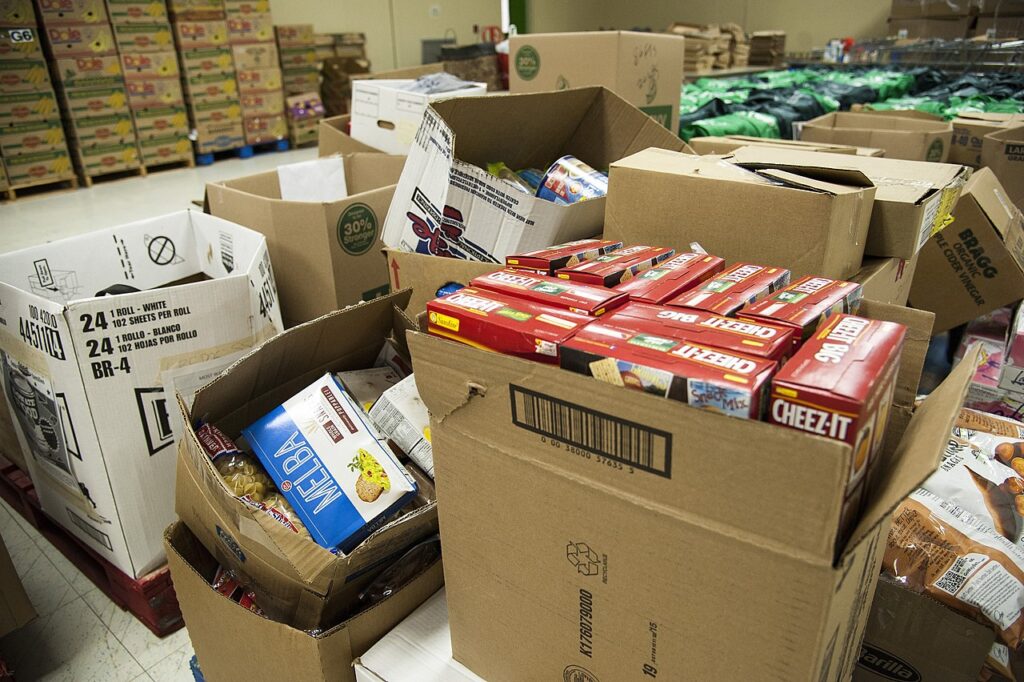
Most people donate to food pantries with the best intentions. When you’re cleaning out your pantry or picking up a few extra items at the grocery store, it feels good to know your donation could help a family in need. But not every food donation is as helpful as donors might think.
Food pantries work hard to distribute safe, nutritious food to their communities, and certain items can create challenges for volunteers and staff. Some foods spoil too quickly, others raise food safety concerns, and some simply can’t be distributed under pantry guidelines. If you want your donation to have the biggest impact, here are a few items many food pantries would rather you leave off your donation list.
Expired Food
Many donors assume food is still useful if it’s only slightly past the date printed on the package. However, expiration dates, best-by dates, and use-by dates can create complications for food pantries, which must follow specific safety and distribution guidelines.
Before donating, take a few minutes to check the dates on canned goods, boxed foods, and packaged snacks. Donating food that is well within its recommended date range helps ensure it can be distributed quickly and safely.
Related: 14 Pantry Items That Are Probably Already Expired
Damaged or Compromised Packaging
A dented can or cracked package may not seem like a big deal, but damaged food containers often end up in the trash. Deep dents, bulging lids, leaks, broken seals, and cracked packaging can indicate contamination or spoilage that isn’t immediately visible.
Food pantries simply cannot take the risk. Volunteers must protect recipients from potential foodborne illness, so damaged products are usually discarded. When donating, choose items with clean, unopened, and undamaged packaging to ensure they can be placed directly into someone’s food box.
Homemade Meals
That casserole, soup, or family recipe may be delicious, but most food pantries cannot accept food prepared in home kitchens. Because there is no way to verify how ingredients were stored, handled, or cooked, accepting homemade meals creates food safety concerns.
Instead, food pantries typically rely on commercially prepared and sealed products that meet food safety regulations. If you’d like to contribute a meal, consider donating shelf-stable ingredients that families can use to prepare food at home.
Homemade Baked Goods
Fresh cookies, muffins, cakes, and loaves of bread often seem like thoughtful donations, especially around the holidays. Unfortunately, most food pantries must decline homemade baked goods for the same reasons they reject home-cooked meals.
Without proper labeling, ingredient verification, and commercial food preparation standards, volunteers cannot safely distribute these items. If you’d like to donate baked goods, check with local shelters or community events, as they may have different guidelines.
Perishable Foods Requiring Refrigeration
Many food pantries have limited refrigeration and freezer space. Fresh foods that spoil quickly can become difficult to store and distribute before they go bad, particularly at smaller organizations with limited resources.
While some pantries accept fresh produce, dairy products, and refrigerated foods, it’s always best to call ahead first. Shelf-stable items such as canned vegetables, peanut butter, pasta, rice, and boxed meals are often much easier for food pantries to handle.