If you’ve seen people dropping pennies into their houseplant pots, there’s a reason. Plants really do need copper, and because pennies are associated with copper, burying a few in the soil might seem like an inexpensive way to give your plants an extra boost.
Unfortunately, plant nutrition doesn’t work quite that simply. A penny sitting in potting soil isn’t a substitute for proper fertilizer, and adding coins isn’t a reliable way to prevent fungus, discourage pests or fix a struggling houseplant.
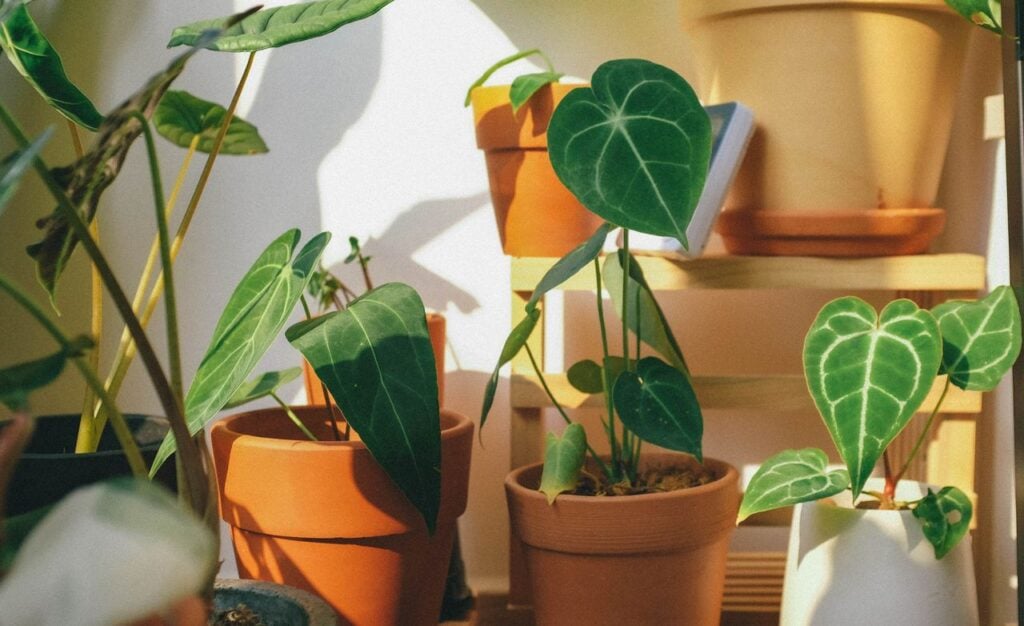
Plants really do need copper
Copper is an essential micronutrient plants need to grow and function normally, although they require it in much smaller quantities than nutrients such as nitrogen, phosphorus, and potassium. It plays a role in several important plant processes, including photosynthesis and enzyme activity.
But a penny isn’t plant food
For a plant to use a nutrient, it has to be present in a form its roots can absorb, and simply placing a copper-containing coin in the soil doesn’t provide a controlled source of available copper. Even when copper is present in soil, factors such as pH can affect whether a plant can actually take it up.
Today’s pennies aren’t mostly copper anyway
There’s another problem with the penny trick: modern U.S. pennies aren’t solid copper. Pennies made since 1982 are primarily zinc with a thin copper coating, so tossing a newer penny into a flowerpot isn’t adding a little disk of solid copper to the soil.
Pennies aren’t a reliable fungus treatment
Copper is an active ingredient in certain fungicides, which may be why the penny trick sounds convincing. However, a registered copper fungicide is formulated to deliver copper in specific concentrations and according to specific application directions; a coin buried in potting mix doesn’t work the same way.
They aren’t a dependable pest treatment either
Putting pennies in the pot shouldn’t be treated as a replacement for identifying and treating common houseplant pests such as fungus gnats, spider mites, mealybugs, or scale. Different pests require different approaches, so figuring out what’s actually attacking the plant is more useful than adding spare change and hoping it keeps insects away.
More copper isn’t necessarily better
Plants need copper, but only in very small amounts, and excess micronutrients can become harmful. Adding extra copper without knowing whether a deficiency exists can create a new problem rather than solving the one you were trying to fix.
A struggling plant may have an entirely different problem
Yellow leaves, stunted growth, and other signs of stress don’t automatically mean a houseplant is missing copper. Watering problems, poor drainage, inadequate light, pests, root issues, incorrect soil pH, and other nutrient deficiencies can produce similar symptoms.
Use a balanced fertilizer instead
For most houseplants, a fertilizer formulated for indoor plants is a much more predictable way to supply necessary nutrients. Follow the product’s directions rather than adding individual micronutrients unless you have good reason to believe your plant is actually deficient.