Most of us have a drawer, box, closet shelf, or cabinet filled with little things we haven’t thought about in years. Maybe it’s an old souvenir from a family trip, a handful of costume jewelry, a collection of coins, or a few figurines that seemed interesting at the time. Once those things sit around long enough, it’s easy to see them as clutter rather than something that could have value.
Collecting tastes have changed quite a bit over the years. Items that once sold for a few dollars at a gift shop, department store, or local market can now attract collectors looking for a particular maker, age, design, or version.
That doesn’t mean every old trinket is worth a fortune. Condition, rarity, age, maker, materials, and demand all matter. Still, before you clean out that old drawer or donate a box of forgotten belongings, it’s worth checking what you have.
Here are some old collectibles and small treasures that can be worth much more than people expect.
Old Coins
That jar of loose change sitting in a closet could contain more than spending money. Rare pennies, nickels, and quarters can have collector value based on their date, mint mark, condition, errors, and rarity.
Most old coins aren’t worth huge amounts, but a few can be surprisingly valuable. If you’ve inherited a collection or have a jar of older coins, checking the dates and mint marks before spending or donating them can be worthwhile.
Boy Scout Memorabilia
Old Boy Scout patches, badges, uniforms, handbooks, and other memorabilia can attract collectors who specialize in scouting history. Early pieces, unusual patches, and items from particular troops or events can be more valuable than common examples.
A box of old scouting items may look like something to clear out, especially if it belonged to a parent or grandparent. Before doing that, take a closer look at the dates, markings, and condition. Vintage Boy Scout memorabilia can sometimes bring in much more than expected.
Vintage Advertising Signs
Old advertising signs are popular with collectors, especially pieces made from porcelain, tin, or metal. Signs from recognizable food, gas, automotive, soda, tobacco, and household brands can be particularly interesting.
Condition plays a big part in what a sign is worth. Original paint, clear lettering, unusual designs, and older examples can all make a difference. You can find examples of vintage advertising signs in many different styles, from small shop signs to large pieces that once hung outside businesses.
Old Postcards
A stack of old postcards can be easy to overlook, especially when they’re tucked inside an album or old box. Postcards from the late 1800s and early 1900s can attract collectors, with certain subjects, locations, publishers, and printing styles being more desirable than others.
The period from roughly the 1890s through the early 1910s is often called the Golden Age of Postcards. Cards showing unusual buildings, historical events, transportation, famous people, or places that have changed over time can be particularly interesting. Old postcards are worth checking before you send a collection to the recycling bin.
Vintage Lunch Boxes
Metal lunch boxes from the mid-20th century can bring back memories for anyone who grew up carrying one to school. Designs featuring popular television shows, comic characters, superheroes, and cartoons are especially collectible.
Condition matters a lot with these pieces. A lunch box with bright graphics, little rust, and the original thermos can be worth much more than one that’s heavily damaged. Certain Superman, Mickey Mouse, and The Jetsons examples have become sought-after pieces.
Antique Christmas Ornaments
Old Christmas ornaments can be surprisingly valuable, particularly pieces made from glass during the late 19th and early 20th centuries. German ornaments, with their unusual shapes, hand-painted designs, and delicate details, can attract collectors.
The condition is just as important as age. An ornament that has survived decades without chips, cracks, or major paint loss can be worth considerably more than a similar damaged piece.
Related: 8 Things I’m Always Shocked People Donate to Thrift Stores (And the Thrift Store Still Sells Them)
Vinyl Records
Vinyl records have found their way back into many homes, but some older records never stopped being collectible. First pressings, limited releases, unusual editions, and albums from popular artists can command higher prices.
The record itself isn’t the only thing that matters. The condition of the vinyl, the album cover, the pressing information, and whether it’s a particular release can all affect its value. Before selling an old collection as a lot, check the individual records.
First Edition Books
An old book isn’t automatically valuable, but certain first editions can be worth quite a bit. Books by well-known authors, early printings of famous titles, signed copies, and books with interesting publishing histories are often sought after.
The dust jacket can also make a major difference. A first edition with its original jacket in good condition may be worth much more than the same book without it.
Vintage Pyrex
Vintage Pyrex has become a favorite among collectors of vintage kitchenware. Bright colors, recognizable patterns, and certain hard-to-find pieces can attract buyers who want to add them to their collections.
A complete set isn’t always necessary, either. Individual bowls, casserole dishes, and other pieces can have their own value depending on the pattern and condition. Before donating an old Pyrex collection, check the markings on the bottom and identify the pattern.
Related: 12 Things You Should Never Do While Thrifting
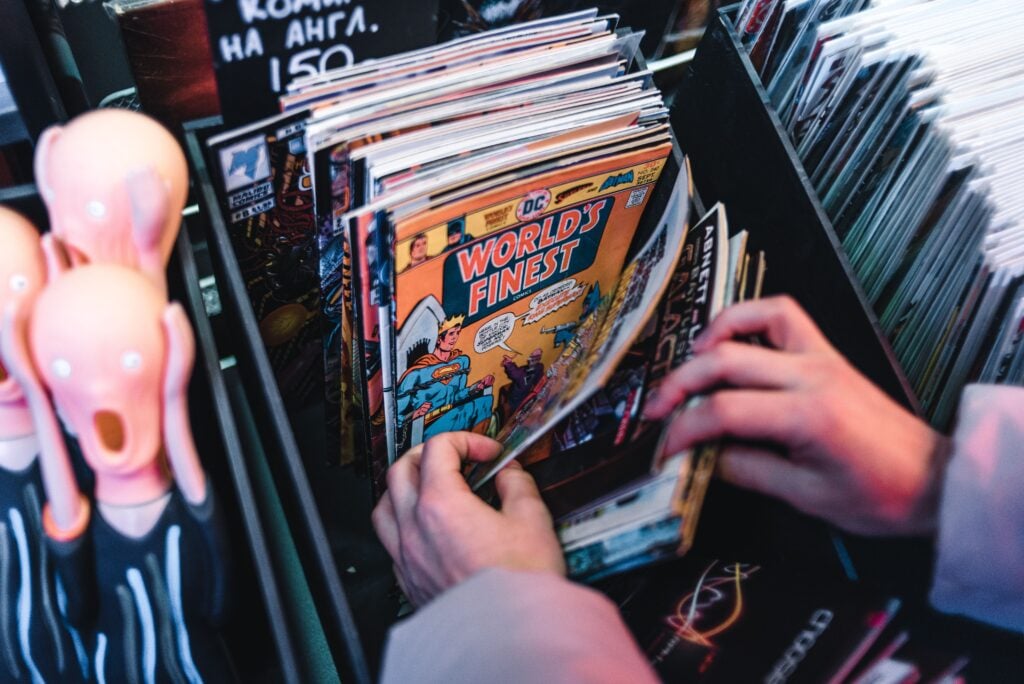
Old Comic Books
Comic books that once cost a few cents can be worth considerably more today. Early issues featuring major superheroes are especially collectible, but age alone doesn’t guarantee a high price.
Condition is one of the biggest factors. Tears, missing pages, creases, stains, fading, and other damage can lower the value. If you find an old comic collection in the attic or basement, handle the books carefully and check the issue numbers before selling anything.
Baseball Cards
A stack of vintage baseball cards can be worth checking before it gets tossed or donated. Cards featuring legendary players such as Mickey Mantle, Babe Ruth, and other major names can bring high prices when they’re rare and in excellent condition.
Still, most old baseball cards aren’t worth thousands or millions. The year, player, card variation, condition, and scarcity all matter. Keeping cards protected from moisture, sunlight, and rough handling can help preserve their value.
Vintage Brooches and Pins
Brooches used to be a common way to dress up a coat, dress, scarf, or hat. They came in all sorts of designs, from floral pieces and rhinestone clusters to birds, butterflies, leaves, and playful geometric shapes.
Some older brooches were made by well-known jewelry companies, while others were inexpensive costume pieces that simply happened to survive in excellent condition. Look for maker’s marks, unusual materials, detailed construction, and older designs before assuming a box of pins is worth nothing.
Related: Old-School Kitchen Wisdom From Grandma That Still Works Today
Limoges Boxes
Limoges boxes are small porcelain boxes associated with Limoges, France. They became popular decorative collectibles and were often made with hand-painted details, tiny hinges, and intricate shapes.
Some pieces are much more valuable than others. The maker, age, markings, design, condition, and whether the piece is an authentic Limoges item can all affect its price. A little porcelain box tucked away in a cabinet may deserve a closer look before it gets donated.
Vintage Fruit Salad Jewelry
Fruit salad jewelry is known for its colorful carved stones arranged into floral, leaf, and fruit-inspired designs. The style became popular during the 20th century and has been reproduced in many forms over the years.
Older pieces by recognized designers can be especially collectible. Look for quality stones, detailed carving, unusual designs, and maker’s marks. A colorful brooch or necklace that looks like costume jewelry at first glance may have more collector interest than expected.
Weller Ceramic Animal Figurines
Weller Pottery was an American ceramics company that produced a wide range of decorative pieces. Its animal figurines, including designs associated with artist Charles Upjohn, can attract collectors today.
Look underneath the piece for a Weller mark or other identifying details. Condition matters too, since chips, cracks, repairs, and missing parts can affect the value. An old ceramic animal sitting on a shelf may be worth researching before it goes into a donation box.
Vintage Perpetual Desk Calendars
Perpetual desk calendars were useful little office accessories that could be adjusted and reused year after year. Older examples were made from materials such as brass, wood, and Bakelite, with some featuring attractive mid-century designs.
Collectors may look for unusual construction, quality materials, older designs, and pieces in good condition. These calendars are small enough to be overlooked during a house cleanout, so it’s worth checking if you find one tucked away in an old desk.
Sterling Silver Souvenir Spoons
Souvenir spoons became popular keepsakes in the late 1800s and continued to be sold for decades. People brought them home from vacations, world fairs, famous landmarks, and other destinations.
Some were inexpensive souvenirs, while others were made from sterling silver. Check the back of the spoon for marks such as “sterling” or other silver hallmarks. A drawer filled with old travel spoons may contain a few pieces worth researching.
Related: I Always Check for These Things When Thrifting for My Kids
Vintage Advertising Tins
Old tins that once held candy, tobacco, tea, baking powder, coffee, and other products have become collectible pieces of advertising history. Their colorful graphics can make them appealing even when the original product has been out of production for decades.
Rare brands, unusual shapes, older designs, and tins in good condition can bring higher prices. Don’t assume a rusty-looking tin has no value, either. Some collectors specifically look for authentic signs of age and original graphics.
Vintage Thimbles
Thimbles were once everyday sewing tools, but older examples can now be collectible. They were made from materials such as silver, porcelain, and metal, with some featuring decorative details or engraved designs.
Small size makes thimbles easy to overlook when cleaning out a sewing basket. Check for maker’s marks, material, age, and unusual decoration before deciding what to do with them.
Antique Match Strikers
Before modern lighters and disposable matches became common, match strikers were practical household items. Many were designed to sit on a table and featured a rough surface for striking a match.
Older examples can be made from ceramic, glass, or metal and may have decorative details. Pieces connected to hotels, restaurants, bars, or well-known makers can be particularly interesting to collectors.
Antique Lighters
Old lighters can be collectible for their design, mechanics, and history. Some were made by luxury companies such as Cartier and Chanel, while others came from more affordable manufacturers and featured unusual shapes or mechanisms.
Look for maker’s marks, original finishes, unusual construction, and evidence that the lighter is an older piece. Condition can make a big difference, especially with higher-end examples.
Lalique Art Glass Perfume Bottles
Perfume bottles made by French glass designer René Lalique are collected as much for their decorative art value as for their function as perfume containers. Lalique’s work is known for detailed glass designs, distinctive shapes, and careful craftsmanship.
Authentic Lalique pieces can be quite valuable, but reproductions and later examples also exist. If you find one at an estate sale, in an old vanity, or tucked away in a family collection, look for identifying marks and research the specific design before assuming its value.
Celluloid Vanity Boxes
Celluloid vanity boxes became popular during the late 19th and early 20th centuries, when early plastics were being used to make everything from accessories to household objects. Many vanity boxes feature decorative scenes, flowers, portraits, or other ornate details.
Collectors of early plastics may seek out examples with unusual designs and little damage. Since celluloid can become brittle or damaged with age, handle these boxes carefully and keep them away from excessive heat.
Other Posts You Might Like
- 20 Collectibles in Your Parents’ House That Could Be Worth a Fortune
- 13 Random Items in Your Home That Could Be Worth Thousands
- From Oil Lamps to Porcelain Pigs, These Are the Strangest Things People Collect
- 13 Garage Sale Items That Collectors Actively Look For (and Pay Well For)
- 17 Everyday Items in Your Kitchen That Are Secretly Valuable