A good botanical garden can make you forget you’re in the middle of a city or just a short drive from home. You might start out walking past rows of flowers and end up under towering trees, inside a tropical greenhouse, or beside a quiet pond surrounded by plants you’ve never seen before.
Botanical gardens across the country offer plenty to see beyond their flower beds. Many have rare plant collections, seasonal displays, walking paths, conservatories, water features, and gardens inspired by different parts of the world. The scenery also changes throughout the year, so a garden that looks one way in spring can feel completely different in summer or fall.
Some are best known for roses or cherry blossoms, while others focus on desert plants, tropical species, native vegetation, or formal gardens. If you’re looking for a beautiful place to spend an afternoon, these 16 botanical gardens are worth putting on your list.
Filoli Botanical Garden, California
Filoli sits in the Santa Cruz Mountains on a 654-acre estate, with 16 acres devoted to formal gardens. The property features a mix of flower beds, fountains, paths, orchards, and carefully maintained garden rooms, making it easy to spend several hours exploring.
Spring is a particularly pretty time to visit, with colorful bulb displays and flowering fruit trees. The combination of gardens and the surrounding California scenery gives Filoli a peaceful feel while remaining close to the Bay Area.
Related: America’s Healthiest Cities Revealed—California Takes the Top Spots
Dallas Arboretum and Botanical Garden, Texas
The Dallas Arboretum and Botanical Garden covers 66 acres along White Rock Lake and is known for its large seasonal flower displays. One of its biggest events is Dallas Blooms, a spring festival that fills the grounds with thousands of flowers.
The garden also has themed areas, fountains, walking paths, and spaces for children. With so many different sections to explore, it’s easy to find a quieter corner or a colorful spot for photos.
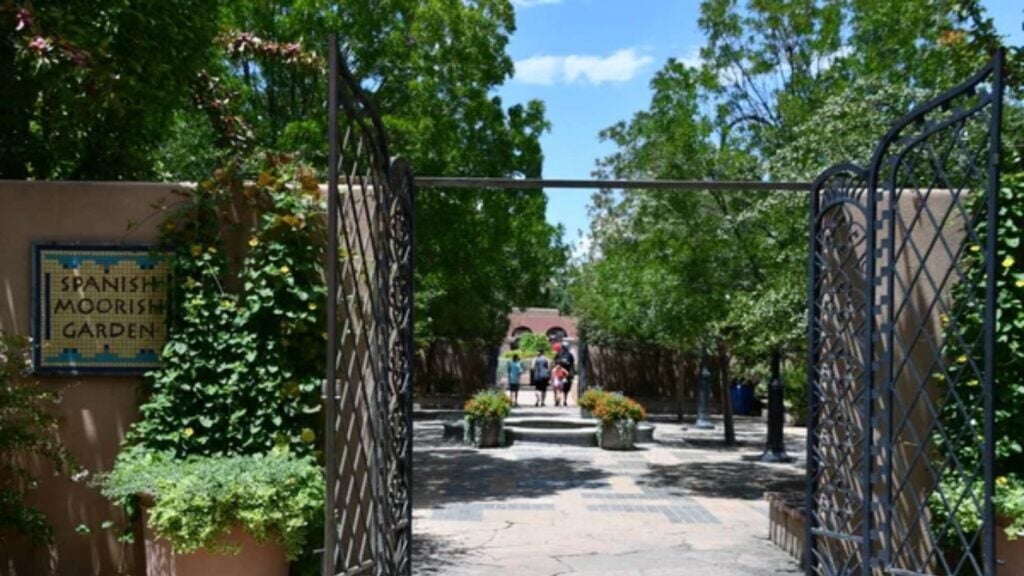
ABQ BioPark Botanic Garden, New Mexico
The ABQ BioPark Botanic Garden covers 36 acres in Albuquerque and brings together plants from the Southwest and other parts of the world. Visitors can walk through several garden areas, each with its own look and plant collection.
Among the highlights are the Sasebo Japanese Garden, Children’s Fantasy Garden, Butterfly Pavilion, and BUGarium, which features a large collection of arthropods. The larger ABQ BioPark also includes a zoo, aquarium, and Tingley Beach, so there’s plenty to do beyond the botanical garden itself.
Related: 15 Trees Across America That Can Be More Dangerous Than They Look
New York Botanical Garden, Bronx, New York
You don’t have to travel far from Manhattan to spend an afternoon surrounded by gardens and trees. The New York Botanical Garden covers 250 acres and contains more than a million plants, along with historic buildings, walking paths, seasonal displays, and specialty collections.
The garden is also known for its roses, with hundreds of varieties represented in its collections. Throughout the year, visitors can find exhibitions, educational programs, family activities, and special events spread across the grounds.
Brooklyn Botanic Garden, Brooklyn, New York
The Brooklyn Botanic Garden has been a New York favorite since it opened in 1911. Its 52 acres include Japanese gardens, a rose garden, a children’s garden, conservatories, and other specialty plant collections.
Spring is one of the most popular times to visit because of the garden’s cherry trees. More than 200 cherry trees bloom across the grounds, creating one of the city’s prettiest seasonal displays. The garden also hosts events and performances throughout the year.
Related: America’s Favorite Grocery Store for 2026 Was Just Revealed — See Where Your Store Ranks
Atlanta Botanical Garden, Atlanta, Georgia
Located in Midtown Atlanta, the Atlanta Botanical Garden has been welcoming visitors since 1976. The 30-acre garden includes a children’s garden, the wooded Storza Woods area, and a Canopy Walk that takes visitors above the forest floor.
There are also seasonal flower displays, sculptures, water features, and specialty plant collections throughout the grounds. It’s a convenient place to get a dose of nature without leaving the city.
Desert Botanical Garden, Phoenix, Arizona
The Desert Botanical Garden in Phoenix offers something completely different from the lush gardens found in many other parts of the country. Set among the Papago Buttes, the 140-acre garden focuses on cacti, succulents, and other plants that thrive in dry climates.
The garden has been open since 1939 and includes miles of walking trails with views of desert plants and the surrounding landscape. Seasonal exhibits, art installations, and educational programs give visitors more reasons to return at different times of the year.
Hawaii Tropical Botanical Garden, Big Island
Located along the Hamakua Coast of Hawaii’s Big Island, the Hawaii Tropical Botanical Garden is surrounded by lush tropical scenery. The nonprofit garden covers more than 100 acres and is home to thousands of plant species, including heliconias, bromeliads, palms, and other tropical plants.
Walking trails wind through thick vegetation and along streams and waterfalls, making the garden feel very different from a traditional formal garden. Guided tours and plant information throughout the property also give visitors a chance to learn more about the species growing on the property.
Chicago Botanic Garden, Illinois
The Chicago Botanic Garden covers more than 385 acres and includes 26 gardens and natural areas. Visitors can move from formal flower gardens to woodland paths, Japanese-inspired gardens, prairie areas, and other settings in a single visit.
The garden draws more than a million visitors each year and also has a strong focus on plant science and conservation. With so much ground to explore, it can feel like several different gardens rolled into one large property.
Fort Worth Botanic Garden, Texas
The Fort Worth Botanic Garden covers 110 acres and is the oldest botanic garden in Texas. It contains thousands of plant species and several specialty gardens, including a Japanese garden and a rose garden.
Waterfalls, ponds, walking paths, and the 10,000-square-foot Conservatory add plenty of variety to the visit. Families can spend a few hours exploring the grounds without traveling far from downtown Fort Worth.
Missouri Botanical Garden, St. Louis
Founded in 1859 by Henry Shaw, the Missouri Botanical Garden is one of the oldest botanical gardens in the United States. Its 79 acres include formal gardens, specialty plant collections, a Japanese garden, and the historic Victorian District.
The garden also houses a major herbarium with millions of plant specimens. Visitors can see the Climatron, a geodesic dome filled with tropical plants, as well as the historic Tower Grove House and other attractions throughout the property.
International Rose Test Garden, Portland, Oregon
If you love roses, Portland’s International Rose Test Garden is hard to overlook. Located in Washington Park, the garden contains thousands of rose bushes representing hundreds of varieties.
The garden is also a popular place to enjoy views of downtown Portland and the surrounding mountains. Summer is a particularly good time to see the roses in bloom, but the setting itself makes the garden worth visiting even when fewer flowers are open.
United States Botanic Garden, Washington, D.C.
The United States Botanic Garden has a long history dating back to 1820, when Congress established the institution. Located near the U.S. Capitol, it gives visitors a chance to see a wide range of plants without leaving the heart of Washington, D.C.
The conservatory contains tropical plants, desert species, orchids, palms, and other collections, while outdoor gardens provide additional space to explore. The garden also hosts rotating displays and educational programs throughout the year.
Fairchild Tropical Botanic Garden, Florida
Just outside Miami, Fairchild Tropical Botanic Garden covers 83 acres and focuses on tropical plants from around the world. Its warm climate makes it possible to grow collections that would struggle in many other parts of the country.
Visitors can walk through tropical gardens, see palms and flowering plants, and visit the butterfly conservatory. The garden also has collections of tropical fruit plants and a strong connection to plant research and conservation.
Huntington Library, Art Museum, and Botanical Gardens, California
The Huntington in San Marino combines gardens, art, and a major library collection on one large property. Its botanical gardens include 16 themed areas, giving visitors plenty of variety as they walk through the grounds.
The Japanese Garden is one of the best-known sections, with ponds, bridges, plants, and traditional garden structures. The Garden of Flowing Fragrance, a Chinese garden, offers another very different setting, while other areas focus on roses, palms, camellias, and other plant collections.
Longwood Gardens, Pennsylvania
Longwood Gardens covers more than 1,000 acres in Kennett Square, Pennsylvania, with gardens, fountains, meadows, woodlands, and conservatories spread across the property. It’s the kind of place where you can spend most of a day walking from one section to another.
The gardens host seasonal displays throughout the year, including the popular Orchid Extravaganza. Visitors can also see large fountain displays, indoor gardens, special events, and seasonal lights, giving the property a different feel depending on when you visit.