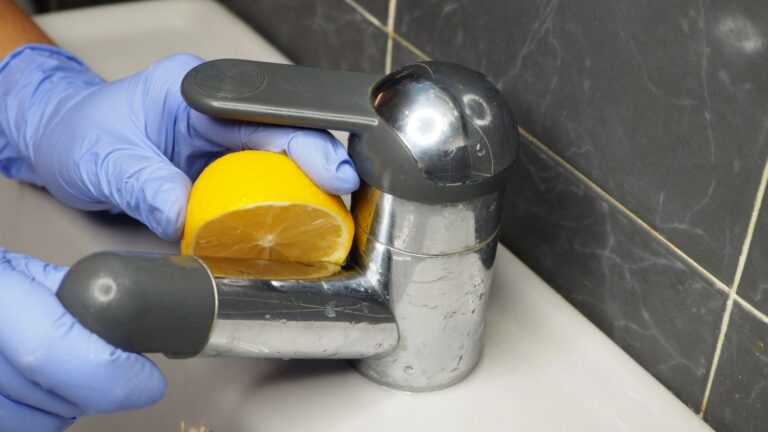
Some cleaning advice gets repeated so often that it starts to sound like a rule. Use extra detergent for dirtier clothes, wipe down a surface as soon as you spray it, and wash everything after one wear. But these habits can create more work without giving you better results.
Here are eight common cleaning tips worth rethinking, along with simple changes that can make your routine more effective.
Using More Cleaning Product Always Gets Better Results
Adding extra floor cleaner, dish soap, or laundry detergent might seem like a good way to tackle stubborn dirt, but too much product can leave residue on surfaces and clothing. Follow the label’s recommended amounts, pretreat tough stains, or spend a little more time scrubbing instead of automatically adding more cleaner.
A Quick Wipe Is Enough to Clean and Disinfect
A countertop can look spotless even when grease or other residue remains, and wiping away disinfectant immediately may not give it enough time to work. Remove visible dirt first, then use an appropriate disinfectant when needed, and keep the surface wet for the contact time specified on its label.
Homemade Cleaners Are Always Safer Than Store-Bought Products
Vinegar and other pantry staples can help with certain cleaning jobs, but they aren’t suitable for every surface or guaranteed to disinfect. Check the surface’s care instructions before using a homemade solution, and never mix cleaning chemicals unless the product directions explicitly say it is safe.
Every Piece of Clothing Needs Washing After One Wear
Washing lightly worn jeans and sweaters after every use can waste water and energy while putting extra wear on the fabric. Unless they’re dirty, sweaty, or smelly, you can often wear many outer layers again before washing, while underwear, socks, and workout clothes generally need more frequent laundering.
Kitchen Sponges Are Too Dirty to Keep Using
A kitchen sponge isn’t automatically unusable after a few washes, but a damp, worn-out sponge can collect food residue and develop an unpleasant odor. Rinse it thoroughly, let it dry between uses, and replace it when it smells, is damaged, or is hard to clean.
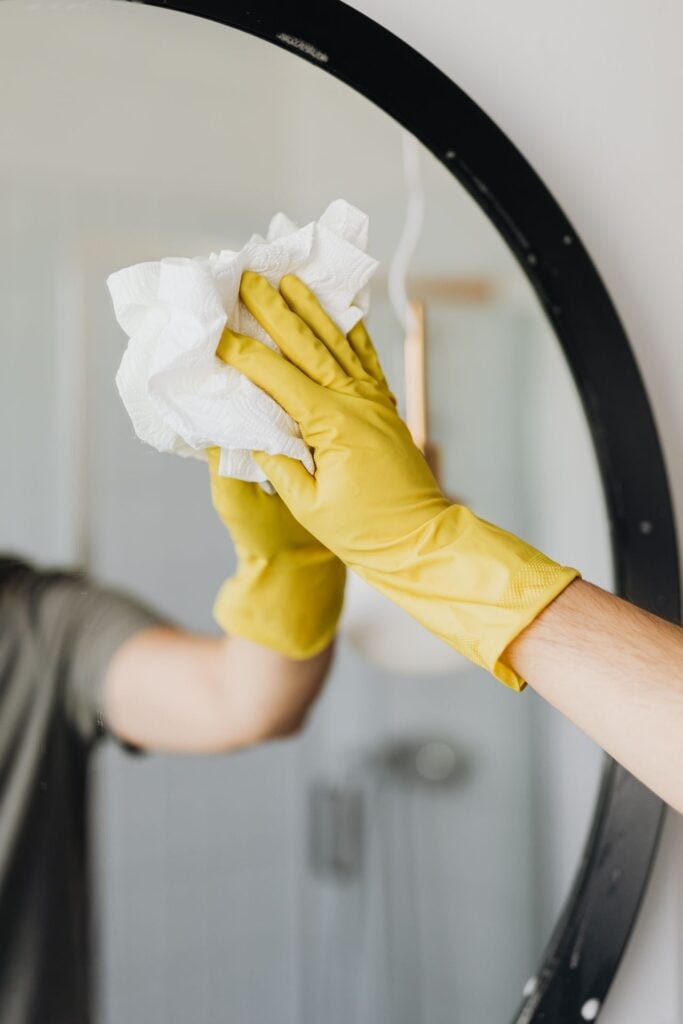
Paper Towels Are the Best Choice for Mirrors and Windows
Paper towels are convenient, but they can leave lint behind and make it harder to get a streak-free finish on glass. Try a clean microfiber cloth with an appropriate glass cleaner, then use a second dry cloth to remove any remaining moisture.
Buying a Better Cleaner Is More Important Than How You Use It
An expensive cleaning product won’t necessarily work better if you use too much, wipe it away too soon, or apply it to the wrong surface. Following the directions and choosing the right cleaning tool can make the supplies you already own more effective.
Door Handles and Light Switches Only Need Cleaning When They Look Dirty
Frequently touched surfaces can collect grime even when they don’t look dusty or stained. Include door handles, light switches, and remote controls in your regular cleaning routine, paying extra attention when someone in the household is sick.