I spend a lot of time thrift shopping, and after years of looking through racks and shelves, I’ve learned that finding good pieces isn’t always about luck. A lot of it comes down to slowing down, knowing what to look for, and paying attention to the things other shoppers might walk right past.
For me, thrifting is part shopping and part treasure hunt. Some trips are better than others, and there are days when I leave empty-handed. But I have a handful of habits I come back to every time because they’ve helped me find some of the pieces I was most excited to bring home.
I Treat Thrifting Like a Fun Outing
My first rule is pretty simple: I try to enjoy myself. Thrifting is much more fun when I don’t walk in expecting to find something amazing every single time.
Some trips result in a great find within the first few minutes, while others involve digging through racks for an hour and finding very little. When I walk into a thrift store, I think of it as a chance to browse and see what’s there rather than a mission that has to end with a purchase.
That mindset helps me stay patient. I’m also less likely to buy something I don’t really want just because I feel like I need to leave with something.
I Go In With a Few Ideas, Not a Strict List
A detailed shopping list doesn’t always work well at a thrift store. Unlike a regular retailer, you can’t count on finding a particular item, size, color, or style because the inventory depends on what people have donated.
Since donations change constantly, I usually go in with a few general ideas instead. Maybe I’m looking for a basket, a cozy sweater, a serving dish, or something interesting for the house.
Keeping the list loose gives me room to notice unexpected finds. It also keeps me from grabbing random things that don’t fit my home or wardrobe just because they’re cheap.
I Take the Store One Section at a Time
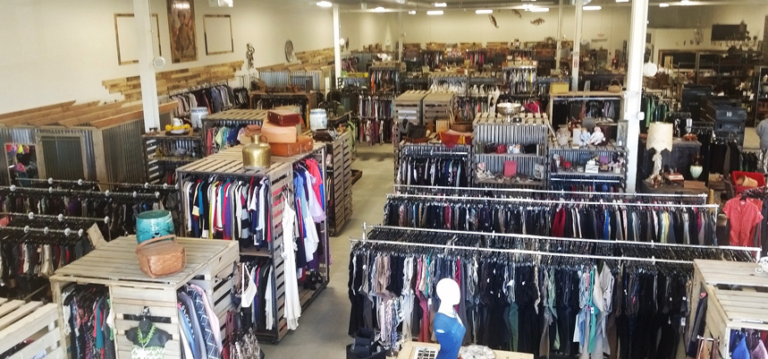
Some thrift stores can feel overwhelming when you first walk through the doors. There are packed clothing racks, shelves full of housewares, bins of miscellaneous items, and sometimes entire rooms of furniture.
I’ve found that moving through the store one section at a time makes the whole experience easier. I might start with clothing, move over to housewares, and then check the smaller décor items before looking at furniture.
I don’t feel like I have to see everything at once. Taking my time also makes it less likely that I’ll rush past something because I was too focused on getting to the next section.
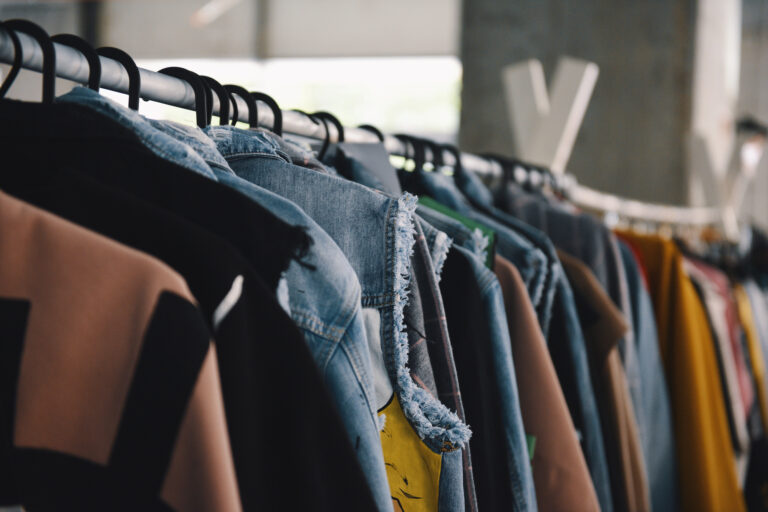
I Always Look at the Tops of Clothing Racks
The tops of clothing racks are among the first places I check when I walk into a thrift store. It’s an easy spot to overlook because most people are focused on what’s hanging directly in front of them.
I’ve found that people often leave items on top of racks when they change their minds about buying them. Employees may also place things there temporarily while sorting or rearranging merchandise.
I’ve come across clothing, bags, home items, and other random pieces sitting up there. It only takes a few seconds to look, so I make it part of my regular routine.
I Pay Attention to Quality
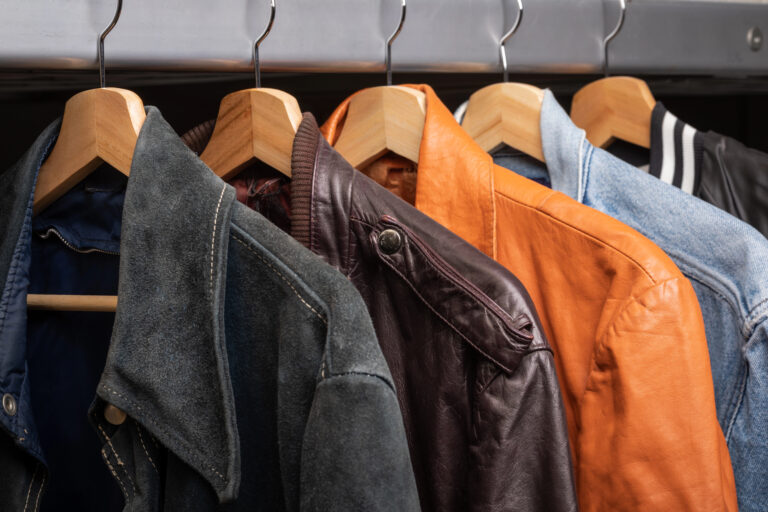
After years of thrifting, I care much less about finding a familiar brand name and much more about how an item is made. A lesser-known piece with good fabric and solid construction can be a better find than a recognizable label that’s already worn out.
I check the fabric, stitching, seams, hardware, buttons, zippers, and overall condition. For clothing, I also check the care tag and feel the fabric before deciding whether it’s worth trying on.
The more I thrift, the faster this has become. I can usually spot something that deserves a closer look without inspecting every single item on a rack.
I Visit Often Instead of Expecting One Big Find
Thrift stores can change a lot from one visit to the next. A rack that looks picked over on Saturday might have several great pieces by the following week because new donations have made their way onto the floor.
That’s why I prefer making regular trips rather than waiting for one perfect shopping day. I don’t have to buy anything every time I go. Sometimes I’m just checking what’s new and keeping an eye out for something that catches my attention.
Going often also helps me learn a store’s patterns. I start noticing which sections tend to have the best finds, when the store puts out new merchandise, and which areas are easy to overlook.
Related: 8 Things I’m Always Shocked People Donate to Thrift Stores (And the Thrift Store Still Sells Them)
I Check Places Other Shoppers Skip
One of the biggest lessons I’ve learned from thrifting is that the obvious places aren’t always the best places to look. The most popular racks can get picked over quickly, while less obvious sections may still have interesting pieces.
I’ll check the ends of racks, shelves above eye level, lower shelves, display tables, and areas where items seem to have been placed temporarily. I also look through different departments instead of assuming something will always be in the section where I’d expect it.
That habit has helped me find plenty of things I would have missed if I had stuck to the most convenient areas.
I Don’t Rush Myself
It’s easy to walk into a thrift store, see a huge number of items, and start flipping through everything as quickly as possible. I’ve done it, and I usually end up feeling like I barely saw anything.
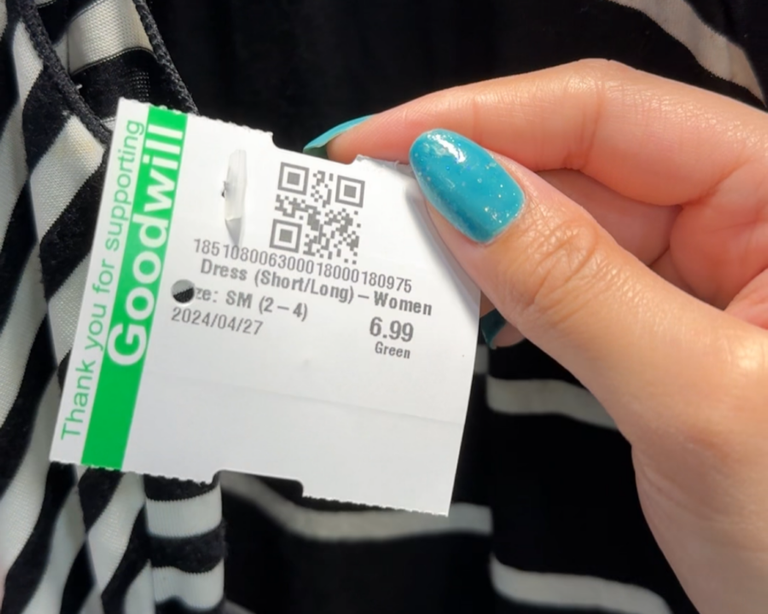
Now I try to slow down when I’m in a section that interests me. I check labels, fabrics, construction, condition, and prices before deciding whether something deserves a closer look.
I don’t spend the same amount of time on every item. If something clearly isn’t right for me, I move on. But if I spot something promising, I give myself a few extra minutes to inspect it.
Related: 10 Unwritten Rules of Thrift Store Shopping Everyone Should Know
I Check the Condition Before I Buy
A low price doesn’t make a damaged item a good deal. Before buying anything, I look for stains, holes, chips, cracks, missing buttons, broken zippers, odors, and other problems that might not be obvious at first glance.
For furniture and home goods, I check that drawers open, doors close, and moving parts actually work. When checking clothing, I first look at the underarms, cuffs, seams, pockets, and other areas that tend to show wear.
A few extra seconds of checking can save me from bringing home something that needs more work than it’s worth.
I Give Myself Time to Think
One of the easiest ways to overspend at a thrift store is to convince yourself that you have to buy something immediately. Some items are one-of-a-kind, but that doesn’t mean every interesting piece needs to come home with me.
If I’m unsure, I’ll carry the item around while I keep shopping. By the time I reach the checkout, I usually know whether I actually want it or whether I was just caught up in the excitement of finding something unusual.
That little pause has saved me from plenty of impulse purchases.
I Visit More Than One Thrift Store
I used to have one favorite store and rarely bothered checking anywhere else. Now I like visiting different stores because each one seems to attract different donations and shoppers.
One store might be great for clothing, while another has better furniture, books, kitchenware, or vintage pieces. Even stores from the same chain can have completely different inventory.
Trying different locations has made thrifting much more interesting for me. It also keeps me from assuming that one bad shopping trip means there’s nothing good out there.
It Gets Easier the More You Thrift
When you first start thrifting, it can feel like you’re looking at hundreds of random items with no idea what deserves your attention. I definitely felt that way at first.
After spending more time in thrift stores, I started recognizing fabrics, construction details, older styles, useful household items, and items worth a closer look. I also learned which sections and spots are easy to overlook.
You don’t have to know everything before you start. The more you shop, the more you notice, and those little habits eventually become second nature.
Other Posts You Might Like
- 20 Collectibles in Your Parents’ House That Could Be Worth a Fortune
- 13 Random Items in Your Home That Could Be Worth Thousands
- From Oil Lamps to Porcelain Pigs, These Are the Strangest Things People Collect
- 13 Garage Sale Items That Collectors Actively Look For (and Pay Well For)
- 17 Everyday Items in Your Kitchen That Are Secretly Valuable