Some things are easy to throw away. Others seem to have a way of surviving every decluttering session, no matter how many times you tell yourself you’re finally going to get rid of them.
Many of these items are kept because they might be useful someday, while others hold memories that make them harder to part with. Before long, a drawer, closet, basement, or garage can become the place where all those “maybe I’ll need this later” items end up.
These are some of the things people often say they’ll sort through someday, yet somehow keep finding reasons to hold onto.
Old Photo Albums
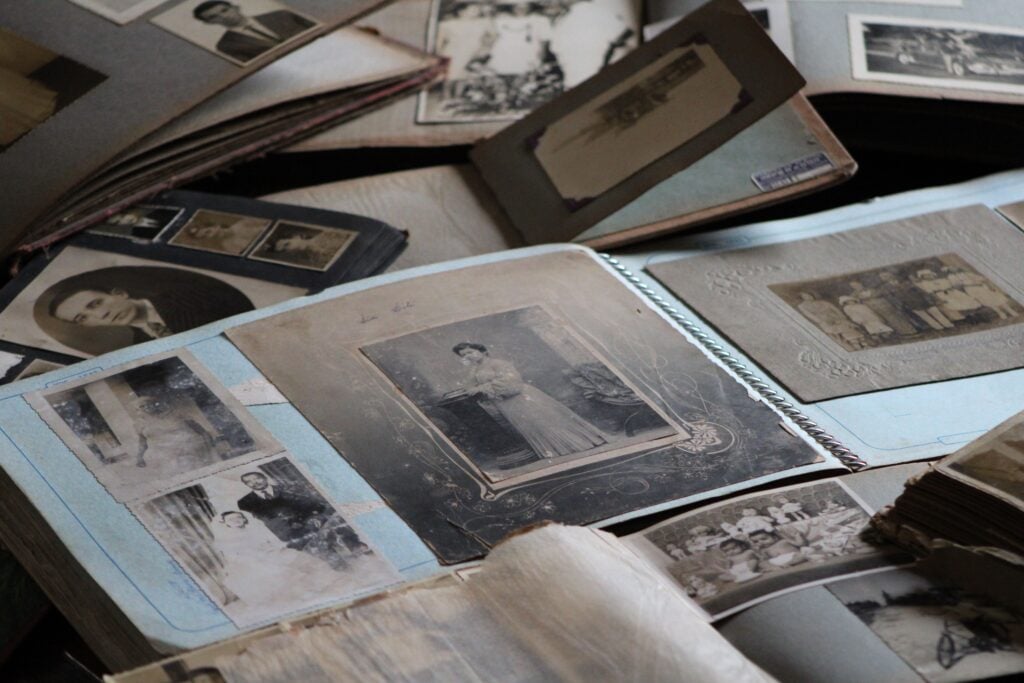
Photo albums filled with printed pictures can be some of the hardest things to declutter. They hold birthdays, vacations, family gatherings, old homes, and people who may no longer be around, so getting rid of them can feel like throwing away a piece of your family’s history.
Even if the albums haven’t been opened in years, there’s usually a reason they’re still sitting on the shelf. For many people, keeping a few meaningful albums makes more sense than trying to part with them during a rushed cleanout.
Related: 5 Things You Should Stop Leaving in Your Entryway
VHS Tapes and Players
There was a time when a stack of VHS tapes was a perfectly normal part of the living room. Movie nights involved choosing a tape, popping it into the VCR, and remembering to rewind it when the movie was over.
Streaming has made those routines a thing of the past, but plenty of people still have boxes of tapes stored in closets or basements. The VCR may not have been plugged in for years, yet it stays because those tapes might contain family recordings or movies that are hard to replace.
CD and DVD Collections
A shelf full of CDs or DVDs used to be a source of pride. People spent years building their music and movie collections, buying favorites one at a time and keeping them in cases that lined the walls.
Now, most people can find what they want online, so those discs may rarely get played. Still, getting rid of an entire collection can feel strange after spending so many years building it.
Related: 10 Things You Touch Every Day That Can Harbor Germs
Old Electronics
Old phones, laptops, cameras, printers, and other electronics tend to collect in drawers and closets. Sometimes there’s an old photo, file, or other piece of information on the device that someone wants to save before deleting it.
Other times, the reason is much simpler: “It might still come in handy.” That sentence has probably saved more outdated electronics from the trash than almost anything else.
Old Magazines and Newspapers
Magazines can pile up before you realize how many you’ve collected. Cooking magazines, travel issues, gardening publications, and home magazines often stay because there’s a recipe, project, or article inside that someone plans to revisit.
Then months turn into years, and the stack is still sitting there. It can be surprisingly hard to throw away something you once enjoyed, even when you haven’t looked through it in ages.
Unused Cookbooks
Cookbooks often start with good intentions. You see a recipe that looks great, buy the book, make a few dishes, and then slowly return to the same handful of recipes you already know.
Some cookbooks are worth keeping because they contain family recipes or have sentimental value. The harder ones to let go of are the books that haven’t been opened in years but still seem too good to donate.
Related: 9 things homeowners wish they had gotten rid of before downsizing
Old Instruction Manuals
Instruction manuals once felt like something you absolutely had to keep. Every appliance, electronic device, and household gadget seemed to come with a booklet that went straight into a drawer for safekeeping.
Now, a quick online search can often find the same information. Still, drawers full of paper instructions are surprisingly common, especially when nobody wants to risk throwing away the one manual they might need later.
Excess Knickknacks
Small decorative items don’t seem like a problem when you buy them one at a time. A souvenir from a trip, a figurine from a friend, or a little decoration picked up at a yard sale can easily find a permanent spot on a shelf.
The trouble starts when there are dozens of them. Decluttering these items can be difficult because each one may have a story behind it, even if it hasn’t been touched in years.
Mismatched Food Containers
There always seems to be one drawer or cabinet where food containers go to multiply. Some have lids with no containers, some containers have no lids, and a few have been sitting there so long that nobody remembers where they came from.
Kitchens can get crowded quickly with this kind of clutter. Still, people often keep the mismatched pieces because they might find the missing lid someday or need an extra container.
Chipped Dishes and Glasses
A chipped plate or slightly cracked glass can be surprisingly difficult to throw away. If it still holds food or water, it can feel wasteful to discard it.
The problem is that these pieces rarely get replaced on their own. One damaged dish turns into another, and before long, the cupboard is filled with pieces that people keep meaning to replace.
Empty Boxes
Empty boxes seem harmless until they start taking over the closet or garage. Boxes from electronics, appliances, shoes, and other purchases are often saved because they might be useful for a future move or return.
Sometimes that reason makes sense, but many boxes sit around long after the return period has passed. By the time someone finally notices the stack, they’ve been saving boxes for years.
Old Cables
Few things create more confusion in a drawer than a pile of old cords. There are phone chargers nobody owns anymore, cables that don’t fit anything, and power adapters that have somehow survived several moves.
The usual excuse is that one of them might be needed someday. The problem is figuring out which one it is when you can’t remember what half of them belong to.
Related: Old Pennies That Look Ordinary but Could Be Worth Much More
Appliance Boxes
Large boxes from televisions, kitchen appliances, computers, and other expensive purchases can take up a surprising amount of storage space. People often keep them because they think they’ll need the original packaging if they move or sell the item.
That may be useful in some cases, but the box can become a permanent fixture in the garage. If the appliance has been in the house for years, the box may be doing little more than taking up room.
Fine China Nobody Uses
Fine china can carry a lot of family history. Some sets were wedding gifts, passed down from parents, or purchased for special occasions that don’t happen very often anymore.
That makes these dishes particularly difficult to declutter. A set can sit untouched in a cabinet for years because nobody wants to be the one to finally get rid of something that has been part of the family for generations.
Furniture That “Still Has Good Bones”
Old furniture can be another tough category. A solid dresser, table, chair, or cabinet may be worn or outdated, but if it’s still sturdy, throwing it away can feel like a waste.
There’s also the hope that someone will eventually repair it, paint it, or find a new use for it. Sometimes that happens. More often, the furniture continues sitting in the spare room or garage while everyone keeps saying they’ll get around to it.
Old Greeting Cards
Boxes of birthday, Christmas, and anniversary cards, along with handwritten notes, can sit untouched for years. They take up very little space, so they’re easy to ignore during a decluttering session.
They’re also deeply personal. A short handwritten message from someone you love can mean far more than the piece of paper itself, which is why these items often survive when other clutter gets tossed.
Holiday Decorations
Holiday decorations have a funny way of multiplying. A few ornaments become several boxes, old lights get saved along with new ones, and decorations that haven’t been used in years somehow make it back into storage every season.
Part of the reason is tradition. An old ornament or decoration may remind someone of childhood, a family member, or a home they once lived in, making it much harder to let go.
Things Saved for the Grandkids
Some things get saved for a future that may or may not happen. Toys, furniture, dishes, books, collectibles, and other belongings are often kept because someone thinks the grandchildren might want them someday.
Sometimes the grandkids really do want them, which makes keeping them worthwhile. But plenty of items remain boxed up for years without anyone ever asking for them.